Guiding Your Child to Shine: Preparing for Performance Day
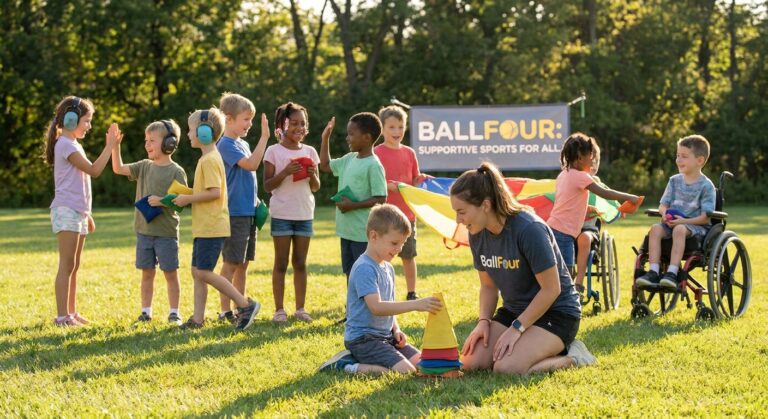
Performance day can be a whirlwind of excitement and nerves for any child. For children who are neurodivergent, or those on the autism spectrum, this day can present unique challenges, requiring a thoughtful and empathetic approach to preparation. At BallFour, we believe in creating supportive environments where every child can discover their strengths and experience the joy of participation, whether on a sports field or a stage.
The goal isn’t just a perfect performance; it’s about helping your child feel confident, understood, and resilient. By focusing on psychological well-being, predictable routines, and positive reinforcement, we can transform potential anxiety into a memorable and empowering experience. This article will explore key strategies to help prepare your child for their moment in the spotlight, ensuring their emotional readiness is at the forefront.
The Power of Predictability: Establishing a Routine
For many neurodivergent children, consistency is key to comfort and confidence. Performance days can disrupt usual schedules, leading to increased anxiety. Establishing a clear, predictable routine for the big day can significantly reduce stress. This means keeping daily activities as normal as possible, from morning rituals to meal times. According to insights shared by Scholastic Parents, maintaining a familiar routine and being well-organized are crucial steps in reducing pre-show nerves for children.
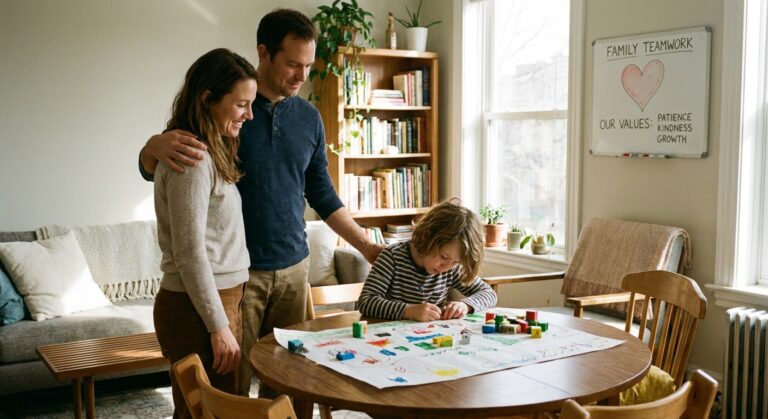
Consider creating a visual schedule for the day, outlining each step from waking up to going on stage. This provides a sense of control and clarity. Avoid over-scheduling activities leading up to the performance; a relaxed day fosters a relaxed mind. The Music Institute of Chicago emphasizes creating a positive and prepared environment by keeping the day relaxed and avoiding too many activities beforehand, which is especially beneficial for children who thrive on structure.
Nurturing Inner Calm: Managing Pre-Show Nerves
Even with careful preparation, nerves are natural. For neurodivergent children, these feelings can sometimes be overwhelming. It’s vital to acknowledge and validate their emotions, creating a safe space for them to express their feelings without judgment. Instead of forcing them onto the stage, offer encouragement and gentle pep talks. ALOHA Mind Math suggests that encouragement and positive reinforcement are far more effective than pressure.
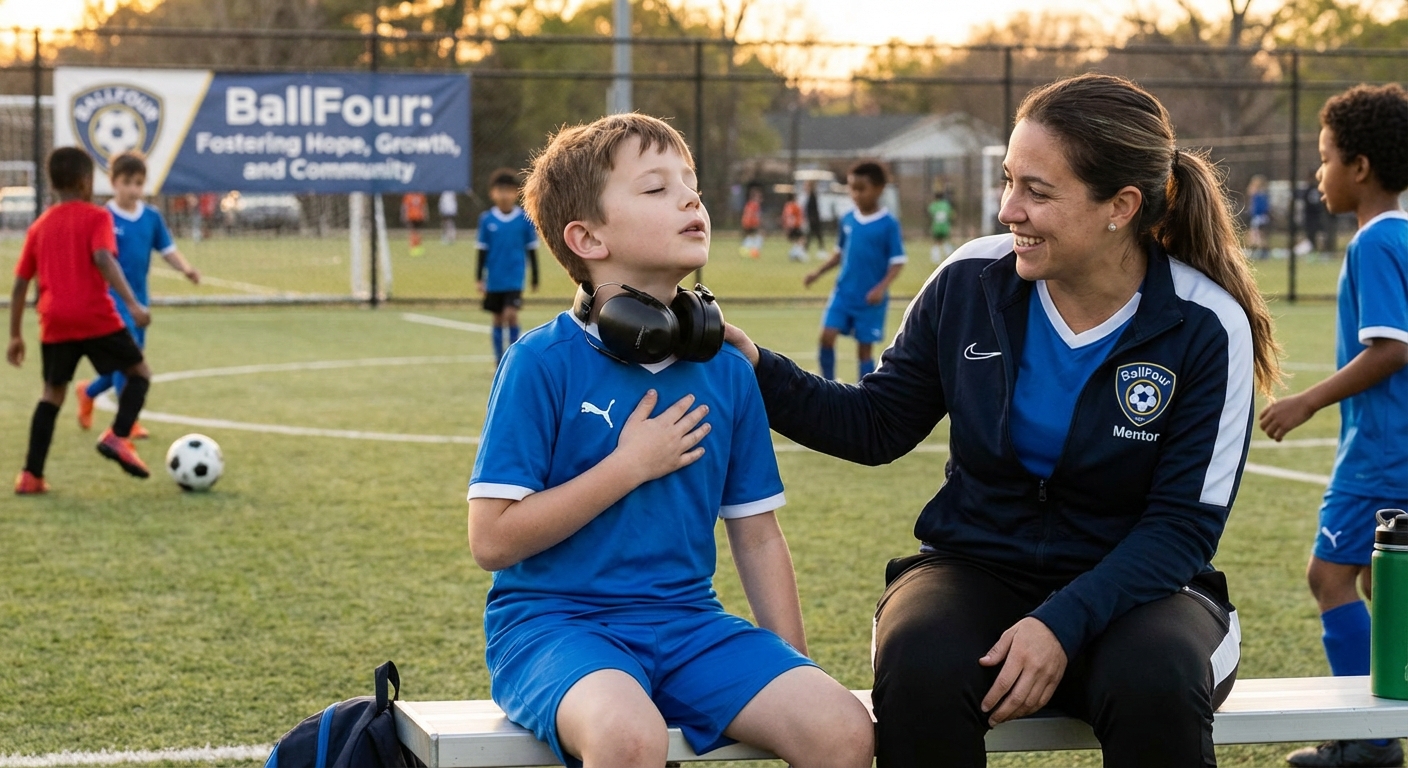
Develop coping strategies together. Simple techniques like deep breathing exercises, mindfulness activities, or even a designated quiet space backstage can provide much-needed moments of calm. A sensory comfort item, if appropriate and allowed, can also be a powerful tool for self-regulation. The focus should always be on supporting their emotional well-being, ensuring they feel secure and capable of handling their feelings.
Holistic Well-being: Fueling Body and Mind
Physical readiness profoundly impacts psychological state. Ensuring your child gets plenty of sleep, eats healthy food, and stays hydrated on performance day is fundamental. America’s Kids in Motion highlights these healthy habits as essential for confidence on stage. For children with specific dietary sensitivities or routines, adhering to these needs is even more critical to prevent discomfort or distress.
A well-rested and properly nourished child is better equipped to manage stress, concentrate, and enjoy their experience. Discuss the importance of these habits in a positive, empowering way, connecting them to feeling strong and ready. Preparing healthy snacks and drinks that are familiar and comforting can also ease any anxieties related to food or unfamiliar environments backstage.
Practice with Purpose: Building Confidence, Not Pressure
Practice is where confidence is built, but it’s crucial that practice doesn’t become a source of anxiety. For neurodivergent children, consistent and predictable practice routines can establish familiarity, reducing surprise and increasing comfort with the material or movements. America’s Kids in Motion points out the importance of practice routines in building readiness for the spotlight.
Focus on celebrating effort and progress rather than striving for perfection. Encourage your child to run through their performance in the actual outfit or shoes they will wear, if possible, to help them adjust to any sensory aspects. Make practice a positive experience, where mistakes are seen as learning opportunities, and the emphasis is on enjoying the process and the activity itself, not just the final outcome.
Conclusion
Preparing a child for performance day, especially one who is neurodivergent, is a journey that goes beyond memorizing lines or perfecting moves. It’s about nurturing their emotional resilience, building their confidence, and ensuring they feel supported every step of the way. By prioritizing predictability, emotional well-being, physical health, and positive practice, we can help our children embrace their moments to shine, creating lasting positive memories that extend far beyond the stage.
At BallFour, we are dedicated to empowering children, including those with neurodivergence, through sports and enriching experiences that build self-esteem, teamwork, and a sense of belonging. If you’re seeking further guidance or resources for your child’s journey in sports or performance, we invite you to connect with us. Please reach out to us at contactus@ballfour.org to learn more about our programs and how we support families in building resilience and confidence, ensuring every child has the opportunity to thrive.
Key Takeaways
- Establish predictable routines and visual schedules to reduce anxiety and create a sense of control for your child.
- Prioritize emotional well-being by validating feelings, providing coping strategies, and offering gentle encouragement over pressure.
- Ensure your child’s physical readiness through adequate sleep, healthy nutrition, and hydration to support their psychological state.