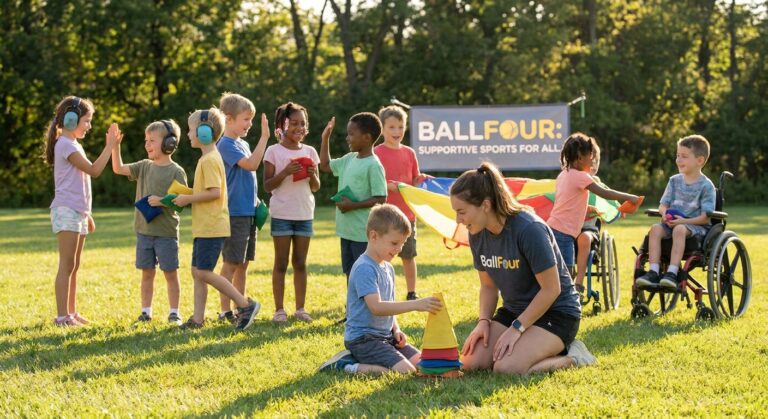

Building Independence Through Extracurricular Activities for Neurodivergent Children
For every child, the journey toward independence is a crucial part of growth. It’s about developing the confidence to try new things, express unique talents, and navigate the world with a sense of self-reliance. For children, especially those who are neurodivergent, this path can be incredibly empowering, fostering essential life skills and a strong sense of self.
Extracurricular activities offer a powerful avenue for this development, moving beyond the traditional classroom setting to ignite passions and build character. These activities are not just about learning a skill; they are about discovering personal strengths, building resilience, and finding a place to belong.
This article explores how engaging in extracurricular activities can significantly contribute to building independence in neurodivergent children, enhancing their psychological well-being and preparing them for a fulfilling future.
Beyond the Classroom: The Power of Extracurriculars
An “extracurricular activity” is anything outside the regular school curriculum, whether it takes place within school grounds or in the wider community. These activities provide a vital counterbalance to academic demands, offering children opportunities to explore interests, develop new skills, and connect with peers in a different context. For neurodivergent children, who may sometimes find traditional classroom environments challenging, extracurriculars can be a haven for self-expression and personal growth.
These diverse pursuits, from sports teams to art clubs and drama groups, allow children to engage with their passions. They learn to make choices, manage their time, and take responsibility for their participation, all of which are critical steps toward greater independence.
Fostering Confidence and Self-Expression
One of the most profound benefits of extracurricular activities is their ability to foster confidence and self-esteem. When children engage in activities they enjoy and excel at, they gain a sense of accomplishment that builds their belief in themselves. This is particularly true for neurodivergent children, who may sometimes struggle with self-doubt or feel misunderstood in other settings.
As noted by The Children’s Trust, “Freely expressing themselves in after-school clubs empowers them to own who they are and fosters independence, a sign of self-esteem.” (Source: The Confidence-Building Benefits of Extracurricular Activities). These environments often provide a supportive space where children can experiment, make mistakes without fear of judgment, and celebrate their unique abilities, leading to a stronger sense of identity and self-worth.
Developing Essential Life Skills for Future Growth
Extracurricular activities are powerful incubators for essential life skills that extend far beyond the specific activity itself. Whether it’s learning teamwork on a sports field, problem-solving in a robotics club, or public speaking in a debate team, children are constantly acquiring practical tools for life. These skills are invaluable for all children, and particularly for neurodivergent children, as they navigate social interactions and personal responsibilities.
These experiences help students gain “academic knowledge and practical tools essential for returning to their home school districts and communities, or for independent living,” as highlighted by Green Chimneys (Source: Building Independence Through Life Skills). Skills like communication, collaboration, perseverance, and adaptability are honed, preparing them not just for school, but for the broader challenges and triumphs of adulthood.
The Importance of Play and Age-Appropriate Engagement
The journey to independence is also deeply rooted in play and age-appropriate engagement. For younger children, fun, play-based activities and everyday routines are crucial for building foundational independence. As one source suggests, “Parents and caregivers can build independence in young children through fun, age-appropriate, play-based activities and everyday routines” (Source: What activities can help develop independence and a well-rounded personality during high school years?). These early experiences, often found in structured and unstructured extracurricular settings, allow children to practice decision-making, self-regulation, and interacting with their environment on their own terms.
As children grow, the complexity of these activities evolves, continuing to challenge them in developmentally appropriate ways. This progression ensures that the development of independence is a continuous, reinforcing process, building on successes and learning from challenges at every stage.
Empowering Futures with BallFour
At BallFour, we believe in the transformative power of providing accessible, inclusive extracurricular opportunities for neurodivergent children. We understand that building independence is a holistic process, impacting psychological well-being, social skills, and overall life satisfaction. By fostering environments where every child can thrive, explore their talents, and connect with their peers, we help lay the groundwork for a future filled with confidence and capability.
Our commitment is to create spaces where children can learn, grow, and become more independent through sports-based social impact programs. We focus on psychological development and personal growth, ensuring that our activities cater to the unique needs of neurodivergent children. If you want to learn more about our programs and how we empower young lives, please reach out to us at contactus@ballfour.org or visit our website to discover more about BallFour’s mission and initiatives.
Key Takeaways
- Extracurricular activities provide crucial opportunities for neurodivergent children to build independence and self-confidence outside of academic settings.
- Engaging in these activities fosters essential life skills like teamwork, problem-solving, and communication, preparing children for future independence.
- BallFour is dedicated to creating inclusive, psychologically supportive extracurricular programs that empower neurodivergent children to discover their strengths and thrive.