Beyond Integration: Embracing True Inclusion for Every Child
In the world of youth development and sports, words matter. Terms like “integration” and “inclusion” are often used interchangeably, but understanding their distinct meanings is crucial for truly supporting children, especially those who are neurodivergent or on the autism spectrum. At BallFour, our mission is built on creating environments where every child not only participates but genuinely thrives.
The difference between merely integrating a child into an existing system and truly including them can profoundly impact their sense of belonging, self-worth, and psychological development. This distinction shapes how we design our programs and interact with the children and families we serve.
This article will explore what sets integration apart from true inclusion, why this difference is vital for children with diverse needs, and how BallFour champions a model of profound belonging for all.
Understanding Integration: A First Step, Not the Destination
Integration often refers to the practice of placing children with disabilities into existing mainstream settings, such as general education classrooms or typical sports teams. It’s about ensuring their physical presence alongside their peers without disabilities. As inclusive education consultant Simona D’Alessio defines it, integration is “simply placing students with disabilities into existing mainstream education systems.”
While integration is a positive step away from segregation, it frequently means the child is expected to adapt to the existing structure. It might involve mainstreaming into general education classes, or ensuring access to various school activities. However, the core challenge remains: the environment itself may not be fundamentally altered to accommodate diverse learning styles, sensory sensitivities, or social communication differences, leaving children feeling like visitors rather than full members.
The Power of True Inclusion: Beyond Physical Presence
True inclusion goes much deeper than just being physically present. It represents a fundamental shift in mindset and practice, where the environment, curriculum, and social dynamics are proactively adapted to welcome and support every individual’s unique journey. This means ensuring full and meaningful participation in learning and all aspects of school or program life, as detailed by D’Alessio.
Inclusion requires an environment where a child’s nervous system feels safe enough to be authentic. It’s about building spaces where that safety is paramount. This involves systemic changes at multiple levels, including adapting curriculum, pedagogical approaches, organizational structures, and assessment methods to respond effectively to the diverse requirements of all children, including those with disabilities.
For BallFour, true inclusion means actively fostering a sense of belonging where every child feels valued, understood, and genuinely part of the team, not just present on the roster.
Why True Inclusion Matters for Neurodivergent Children
For children with neurodivergence and autism, the distinction between integration and inclusion is particularly significant. Neurodivergent children often process information differently, experience sensory input uniquely, and navigate social interactions in their own ways. Simply placing them in an unchanged environment can lead to overwhelm, anxiety, and a feeling of not belonging.
True inclusion, however, addresses these needs by actively creating a responsive and supportive setting. When environments are designed with flexibility and understanding, children feel safe to express themselves authentically, explore their strengths, and develop at their own pace. This focus on psychological safety and genuine acceptance is critical for fostering self-esteem, social-emotional growth, and resilience in neurodivergent youth.
It’s about providing the right supports, modifying activities as needed, and celebrating every child’s contributions, ensuring they don’t just “fit in” but truly belong and contribute meaningfully to the group.
BallFour’s Commitment to Inclusive Play
At BallFour, our programs are intentionally designed to embody the principles of true inclusion. We understand that sports offer a powerful avenue for youth development, and it is our responsibility to make this opportunity accessible and beneficial for all children, especially those on the autism spectrum and with other neurodivergent profiles.
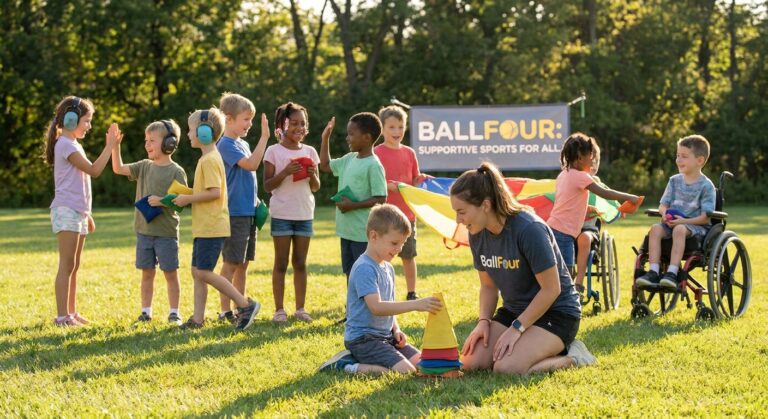
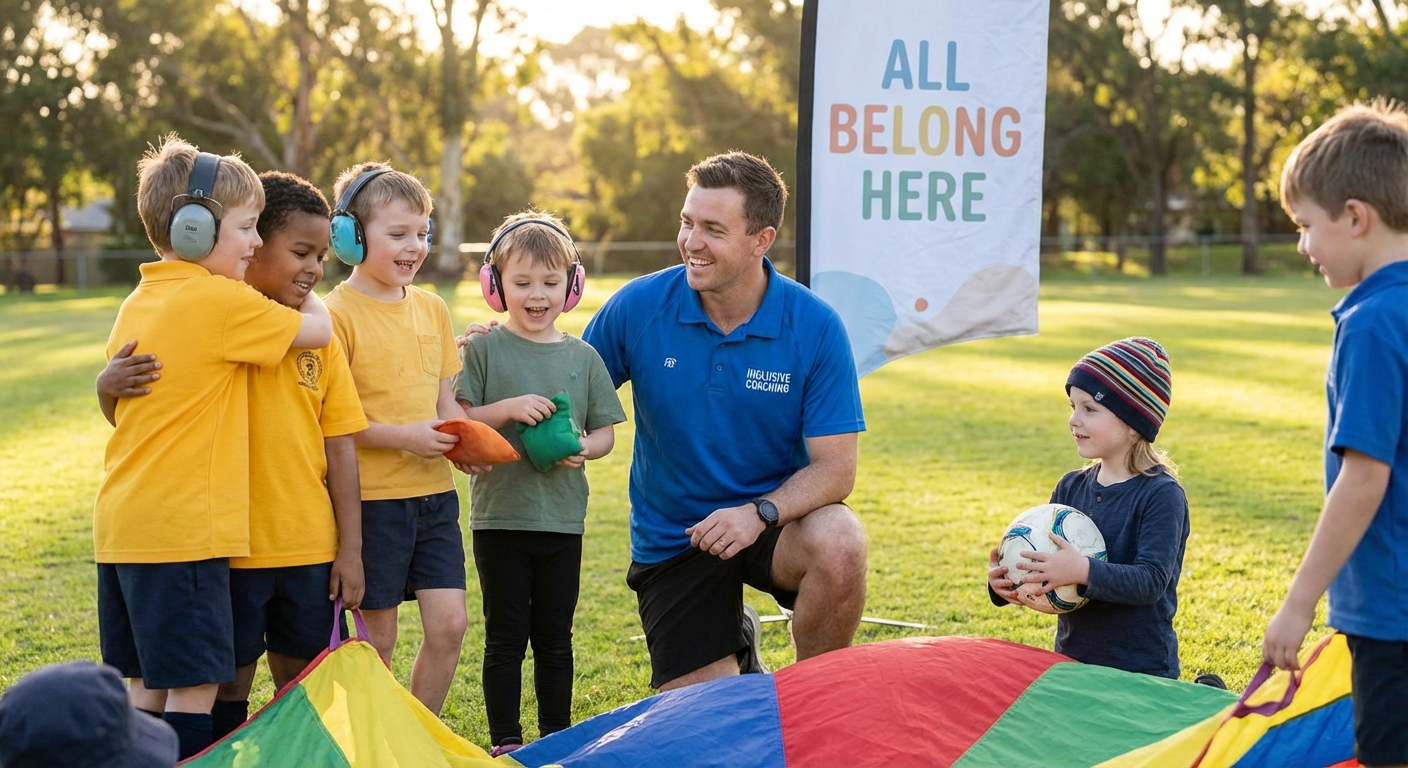
We work to create a nurturing atmosphere where coaches and staff are trained to understand diverse communication styles and sensory needs. Our activities are adaptable, allowing every child to engage at their comfort level while still experiencing the joy of teamwork, movement, and personal achievement. We believe that by building environments that value each child’s unique journey and ensure their psychological safety, we can unlock their full potential and foster a profound sense of community.
Join Our Inclusive Community
We invite you to learn more about how BallFour is building a future where every child has the opportunity to experience the transformative power of truly inclusive sports. Our commitment extends to creating spaces where children with neurodivergence and autism can find their voice, build friendships, and develop crucial life skills in an environment that celebrates their individuality.
If you’re interested in our programs or wish to understand more about our approach, please reach out to us directly. We are always eager to connect with families and community members who share our vision for a more inclusive world for children. You can contact us at contactus@ballfour.org to discover how we’re making a difference, one inclusive play experience at a time.
Key Takeaways
- Integration places children into existing systems, while true inclusion fundamentally adapts systems to welcome and support every child.
- For neurodivergent children, true inclusion is vital for psychological safety, authenticity, and fostering a deep sense of belonging.
- BallFour is dedicated to creating genuinely inclusive sports environments that adapt to and celebrate the unique needs of all children.