
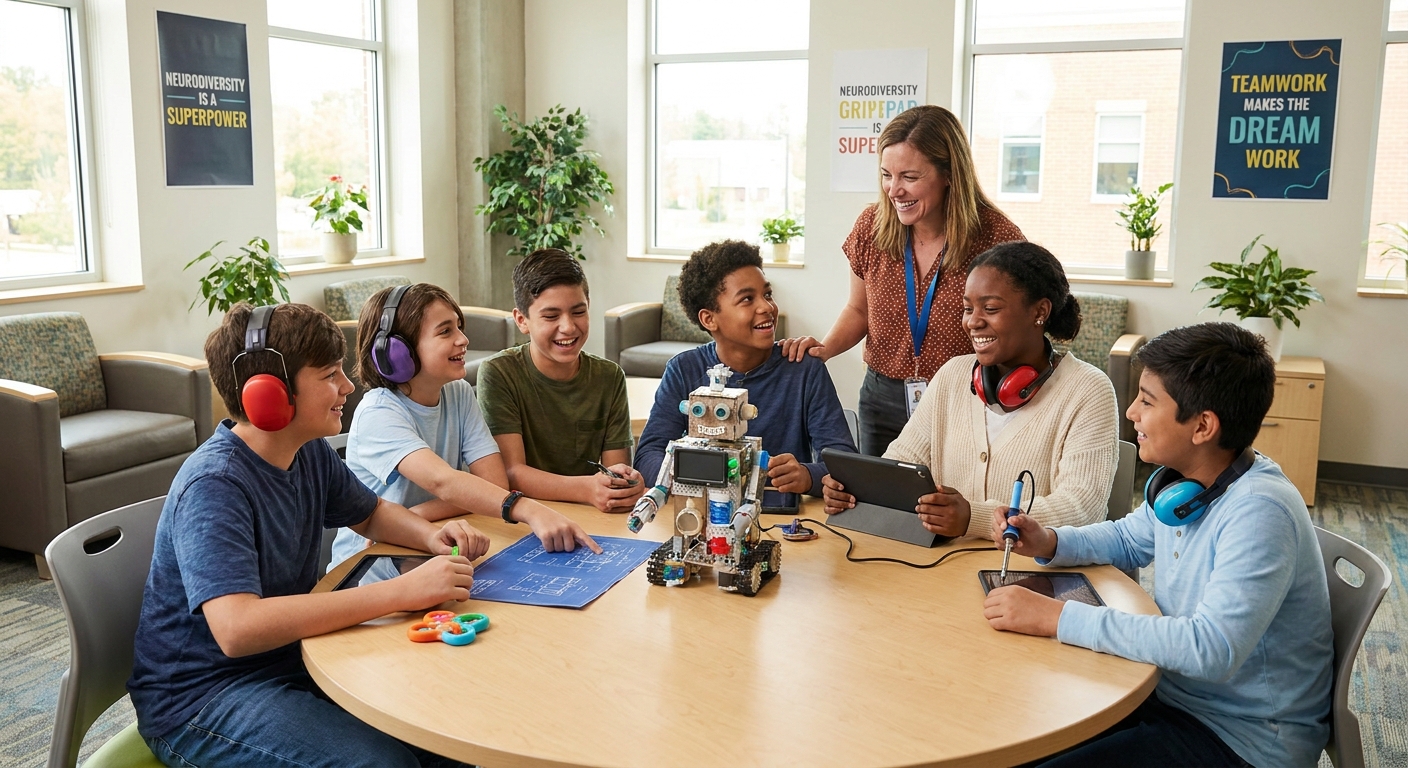
Navigating the Middle School Maze: A Guide for Families and Neurodivergent Youth
The transition from elementary to middle school marks a significant milestone in a child’s life. It’s a period brimming with new opportunities, growing independence, and often, a whirlwind of emotions. For many children, it’s an exciting step towards self-discovery, but for others, particularly those who are neurodivergent or on the autism spectrum, this transition can present unique challenges, from adapting to new routines to managing sensory environments and social dynamics.
At BallFour, we believe every child deserves the chance to thrive. We understand that navigating middle school requires not just academic preparation but also robust emotional and psychological support. This article explores common aspects of the middle school transition and highlights activities and programs that can help all children, especially neurodivergent youth, confidently embrace this new chapter.
Understanding the Shift: New Environments, New Skills
Middle school introduces a dramatic shift from the familiar, often singular, classroom environment of elementary school. Students suddenly face a rotation of multiple teachers, different classrooms, the responsibility of using lockers, and a more complex social landscape. These changes demand new organizational skills, adaptability, and an increased sense of self-advocacy. Learning about new schedules, understanding school layouts, and developing effective study strategies are all crucial for a smooth adjustment.
Many schools and educational resources offer support for these practical changes. For instance, activities and worksheets designed to teach about changing classes, study strategies, and working with different teachers can be invaluable tools for preparation. Workshops and seminars can also help incoming students learn about high school expectations and develop essential skills like time management, setting them up for success beyond middle school. These foundational skills are vital for all students, providing a framework for managing increased academic and social demands.
Tailored Support for Neurodivergent Children
For children with neurodivergence or autism, the middle school transition can be particularly daunting. Changes in routine, heightened sensory input, and navigating nuanced social cues can lead to increased anxiety and stress. It is crucial for families to work closely with school personnel to ensure that their child’s specific needs are understood and addressed before, during, and after the transition.
Resources such as the Middle School Transition Trail Map for Families emphasize the importance of early planning and collaboration. This includes developing individualized education plans (IEPs) or 504 plans that account for the new environment, ensuring access to necessary accommodations, and establishing clear communication channels between home and school. Focusing on the psychological aspects of the transition, such as stress management techniques and social-emotional learning, can empower neurodivergent children to build resilience and confidence in their new setting.
The Power of Preparation and Workshops
Proactive preparation is key to a successful transition. Many schools offer dedicated lessons and workshops for fifth-graders (or the grade preceding middle school) to discuss the impending changes. These sessions provide a safe space for children to express their feelings, share their fears, and ask questions about what to expect. Topics often include time management, organizational tips, and an overview of typical middle school routines.
Counselors often facilitate these discussions, giving students a platform to voice anxieties about lockers, making new friends, or getting lost. These sessions can also cover important dates like open house events or registration nights, helping families feel more informed and prepared. By addressing these concerns head-on, children can feel more in control and less overwhelmed by the unknown.
Building Confidence Through Inclusive Programs
Beyond classroom-based discussions, engaging in various activities and programs can significantly aid a child’s transition. These might include orientation days where students can tour the school, meet teachers, and even practice opening lockers. Some schools implement peer mentoring programs, pairing incoming students with older, more experienced middle schoolers who can offer guidance and reassurance. Such initiatives foster a sense of belonging and reduce feelings of isolation.
Extracurricular activities, whether sports, clubs, or arts programs, also play a vital role in helping children find their niche and build confidence. These activities offer opportunities to develop new skills, forge friendships, and experience teamwork in a supportive environment. For neurodivergent children, carefully chosen programs that align with their interests can be particularly beneficial for social integration and personal growth, reinforcing the values of inclusion and hope that BallFour champions.
Embracing the Journey with Support
The transition to middle school is a transformative period that, with the right support and preparation, can be a time of immense growth and positive development for all children. By understanding the unique challenges, especially for neurodivergent youth, and by actively engaging with school resources and community programs, families can help their children navigate this exciting new chapter with confidence and resilience. Fostering open communication, providing tailored support, and encouraging participation in enriching activities are cornerstones of a successful transition, paving the way for a fulfilling middle school experience.
At BallFour, we are dedicated to fostering a supportive environment where every child can flourish, focusing on their psychological well-being and development. If you’re seeking resources or have questions about how to support children through crucial developmental stages, we invite you to connect with us. You can reach out directly via email at contactus@ballfour.org to learn more about our mission and how we empower youth through opportunity, inclusion, and hope.
Key Takeaways
- Middle school transition requires adapting to new routines, multiple teachers, and increased independence, which can be particularly challenging for neurodivergent children.
- Proactive preparation through workshops, open discussions about fears, and collaboration with school personnel (especially for individualized support plans) is crucial for a smooth adjustment.
- Engaging in school orientations, peer mentoring, and extracurricular activities helps children build confidence, develop social skills, and find a sense of belonging in their new environment.