Empowering Creativity: Adapting Art Lessons for Neurodivergent Children
Art is a powerful avenue for self-expression, discovery, and connection. For children with neurodevelopmental disorders, engaging in creative activities can be particularly enriching, offering unique pathways to communicate, develop fine motor skills, and build confidence. However, traditional art instruction may not always cater to the diverse needs and learning styles present in a neurodiverse classroom.
At BallFour, we believe every child deserves the opportunity to explore their potential, and that includes the vibrant world of art. Creating inclusive art experiences requires thoughtful adaptation and a deep understanding of individual strengths and challenges. This article will explore practical strategies for arts instructors to modify lessons, ensuring that every neurodivergent child can thrive creatively.
Understanding Diverse Needs in the Art Studio
The term “neurodevelopmental disorders” encompasses a wide spectrum of experiences, including autism spectrum disorder, ADHD, and other conditions affecting learning, communication, and behavior. Recognizing that each child is unique is the cornerstone of effective adaptation. An art room can indeed be a “magical place” where all learners, even those who spend most of their day in specialized settings, can fully engage and create independently when given the right support.
Instead of a one-size-fits-all approach, instructors can observe and learn each child’s preferences, sensitivities, and communication styles. This personalized understanding allows for more meaningful adaptations that empower children rather than just accommodating them. Embracing neurodiversity means celebrating different ways of thinking, perceiving, and creating.
Tailoring the Environment and Materials for Success
Creating an accessible art environment often involves small, yet impactful, adjustments. These are often described as “accommodations,” which support how a student accesses their education, and “modifications,” which adjust teaching through the environment and materials. Thoughtful changes to the physical space and the tools used can make a significant difference in a child’s ability to participate independently.
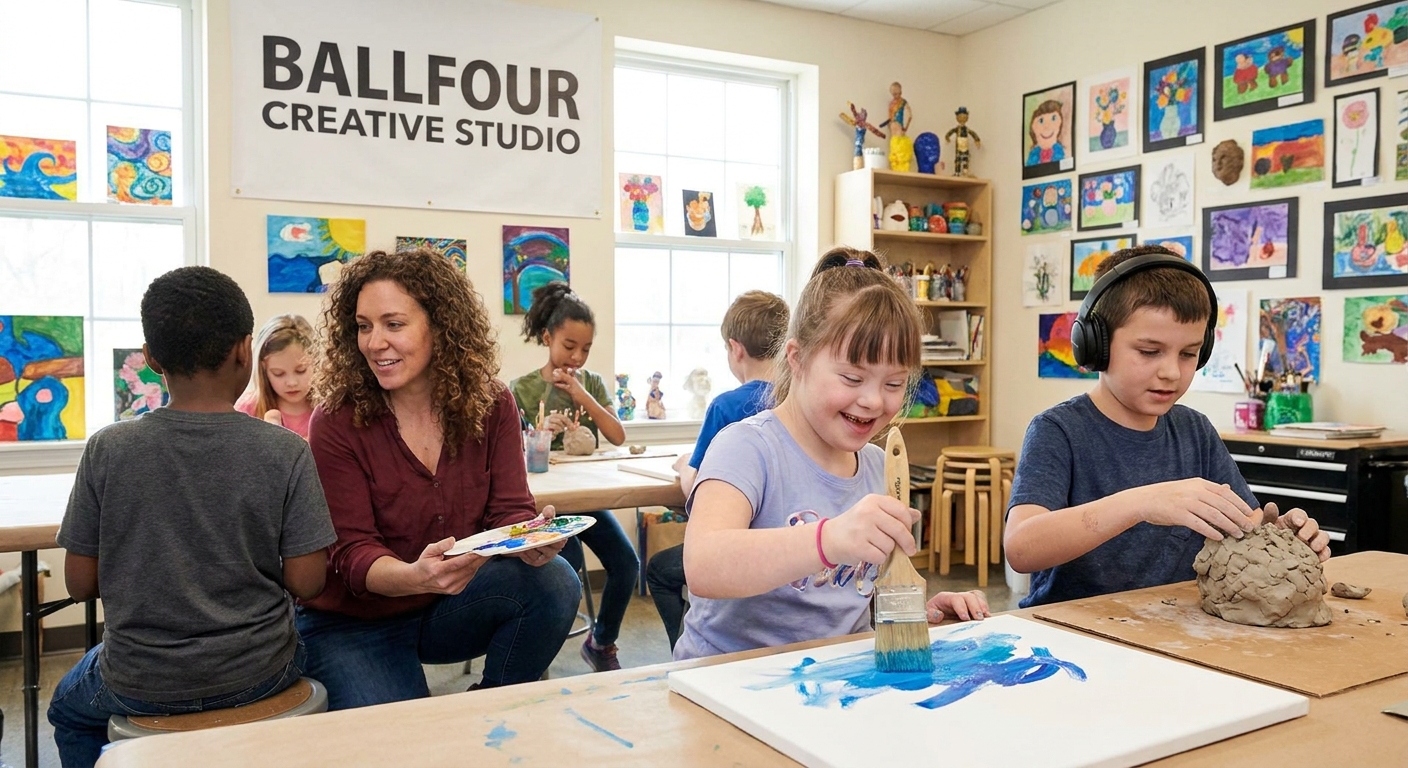
Consider the sensory experience: some children may be sensitive to bright lights, loud noises, or certain textures. Instructors can offer quieter workspaces, use natural lighting where possible, or provide alternative materials with different tactile properties. For example, if a child struggles with gripping a paintbrush, offering larger handles, foam grips, or even alternative application methods like sponges or fingers can facilitate participation. The goal is to adapt tasks and materials to support independence, rather than creating barriers (The Art of Education).
Designing Engaging and Flexible Lessons
While some children with neurodevelopmental disorders benefit from routine and clear instructions, a rigid approach isn’t universally effective. Sometimes, a more flexible, studio-like approach that encourages choice and exploration within a structured framework can be incredibly empowering. This shifts the focus from a strictly prescriptive lesson to one that encourages artistic behavior and self-direction (Walker Art Center).
Instructors can introduce projects with multiple entry points and varied outcomes, allowing children to engage at their own pace and in ways that resonate with their individual interests. Breaking down complex projects into smaller, manageable steps, and using visual schedules or clear demonstrations can provide the necessary structure without stifling creativity. The key is to find a balance where adaptations enhance engagement without compromising the richness and rigor of the art curriculum (The Art of Education).
Communication and Collaborative Support
Effective communication is paramount when working with neurodivergent children. Using clear, concise language, accompanied by visual cues or demonstrations, can help children understand instructions and expectations. Patience and positive reinforcement play a crucial role in building confidence and fostering a supportive learning environment.
Collaboration with parents, caregivers, and other professionals involved in a child’s development can provide invaluable insights. They can share information about a child’s specific needs, triggers, and what strategies work best at home or in other educational settings. This collaborative approach ensures a holistic support system that empowers the child and enriches their artistic journey. Getting to know each child’s personality is perhaps the most important thing an instructor can do (Deep Space Sparkle).
Conclusion
Art education for neurodivergent children is not just about teaching techniques; it’s about opening doors to self-discovery, fostering resilience, and celebrating unique perspectives. By embracing adaptive strategies—from tailoring environments and materials to designing flexible lessons and fostering open communication—art instructors can create truly inclusive spaces where every child feels seen, valued, and capable of profound creativity.
At BallFour, we champion opportunities that empower youth, believing that access to enriching experiences like art can profoundly shape a child’s psychological development and overall well-being. If you are an educator or a parent seeking more information on fostering inclusive environments for children with neurodevelopmental disorders, we invite you to connect with us. You can reach out directly via email at contactus@ballfour.org to learn more about our mission and how we support youth development through sport and community engagement, inspiring hope and opportunity for all children. For additional resources on adapting art lessons, consider exploring materials from trusted educational platforms like The Art of Education University.
Key Takeaways
- Personalized understanding of each child’s neurodevelopmental needs is crucial for effective art instruction.
- Adapting classroom environments and materials, through accommodations and modifications, enhances accessibility and independence.
- Designing flexible lessons with choice and visual cues empowers neurodivergent children without compromising curriculum rigor.