
When Your Child Has More Than One Diagnosis
Discovering that your child has one diagnosis can be a significant moment for any family, bringing both clarity and new questions. When your child receives more than one diagnosis, often referred to as co-occurring conditions, it can feel overwhelming. However, this experience is actually quite common, and understanding it is the first step toward effective support and empowerment for your child.
Many children, particularly those with neurodevelopmental differences, present with a complex array of symptoms that cannot be fully explained by a single condition. This article will explore what it means for a child to have multiple diagnoses, how families can navigate this journey, and how BallFour’s sports-based programs offer a unique pathway to resilience, confidence, and connection for these remarkable young individuals.
Understanding Co-Occurring Conditions in Children
Co-occurring conditions refer to the presence of two or more diagnoses in a child at the same time. Research indicates that this is a frequent occurrence, especially within neurodevelopmental profiles. For instance, a child might be diagnosed with autism spectrum disorder and also experience symptoms consistent with ADHD, or an intellectual disability alongside anxiety.
The reason for multiple diagnoses is often rooted in the intricate nature of brain development and how different systems interact. One condition may not fully account for all of a child’s symptoms or challenges, leading medical professionals to identify additional diagnoses that provide a more complete picture of their needs. Common overlaps include conditions such as intellectual disability, autism, and ADHD, which can manifest in various combinations, as highlighted by resources like the National Fragile X Foundation.
It’s crucial to remember that these diagnoses are tools for understanding and support, not labels that define a child’s entire identity or limit their potential. Each diagnosis offers insights into a child’s unique way of experiencing and interacting with the world, allowing for more tailored and effective strategies to help them thrive.
Navigating the Diagnostic Journey
For parents, the journey of seeking diagnoses can be long and emotionally taxing. It often involves multiple specialists, evaluations, and sometimes, a series of diagnoses that unfold over time. As Children’s Hospital of Philadelphia notes, a second diagnosis might not emerge until a child is older, requiring parents to adapt their understanding and support strategies.
The key to navigating this journey is to advocate for a comprehensive and holistic assessment of your child. This means looking beyond individual symptoms to understand the broader profile of your child’s strengths and challenges. A multidisciplinary team — including pediatricians, neurologists, psychologists, and therapists — can provide a more integrated perspective, ensuring that all aspects of your child’s well-being are considered.
While the initial news of multiple diagnoses can bring a mix of emotions, it also provides clarity. With a clearer understanding, families can access more specific interventions and support networks, empowering them to build a robust support system tailored to their child’s unique needs.
Empowering Your Child: Explaining Multiple Diagnoses
When your child has multiple diagnoses, one of the most important questions becomes: how do we talk about this with them? Explaining complex diagnoses to a child requires sensitivity and age-appropriateness. It’s often not necessary to explain every single diagnosis in medical detail. Instead, focusing on the key points of their unique profile can help a child understand themselves better, as suggested by “Explaining Brains.”
The goal is to foster self-understanding and acceptance, not to create a sense of being “broken” or different in a negative way. You can explain that their brain works in a special way, or that they have unique strengths and some areas where they might need a little extra help. This approach builds resilience and self-esteem, helping children embrace who they are.
By framing their diagnoses as part of their unique identity and providing strategies for navigating their challenges, you empower your child to become their own best advocate. This open dialogue also reinforces the message that they are loved, supported, and capable of incredible things, irrespective of their diagnostic labels.
BallFour’s Approach: Sports as a Pathway to Empowerment
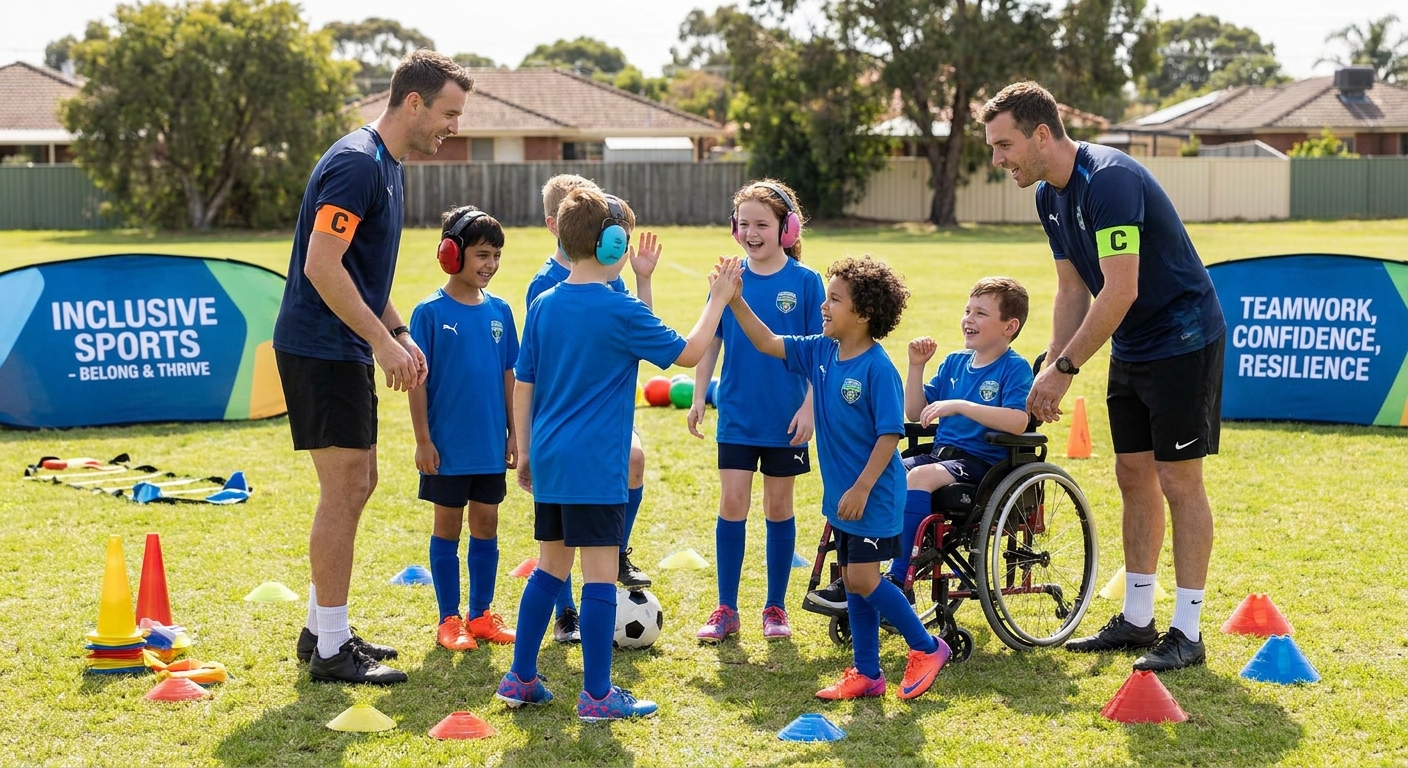
At BallFour, we deeply understand the unique needs of children with neurodivergent conditions and multiple psychological diagnoses. We believe that access to inclusive sports programs is a powerful tool for developing not just physical skills, but crucial psychological resilience, social connections, and self-confidence.
Our programs are specifically designed to meet children where they are, focusing on their abilities and fostering an environment of acceptance and encouragement. For children navigating multiple diagnoses, sports offer a structured yet flexible space to develop teamwork skills, practice social interactions, build perseverance, and experience the joy of achievement. These experiences contribute significantly to their psychological well-being, helping them to integrate the various aspects of their identity in a positive way.
Through tailored activities and supportive coaching, BallFour champions the values of opportunity, inclusion, resilience, teamwork, and hope. We see every child’s potential, helping them build the foundations for a fulfilling life, one game, one practice, one triumph at a time.
Finding Support and Connection
Navigating the journey of multiple diagnoses for your child can be complex, but you are not alone. BallFour is here to support families and children, providing inclusive sports programs designed to foster growth, confidence, and a sense of belonging for children with neurodivergent and psychological needs. We focus on empowering children to understand themselves and thrive. If you are seeking ways to support your child’s development and connect them with a supportive community, we encourage you to learn more about our programs and mission. You can reach out to us directly at contactus@ballfour.org to discuss how BallFour can make a difference for your child. Further insights into understanding co-occurring conditions can also be found through reputable sources like Peninsula Pediatrics, which offers valuable information for parents.
Key Takeaways
- Multiple diagnoses (co-occurring conditions) are common in children, especially those who are neurodivergent, and provide a fuller picture of a child’s unique needs.
- A holistic approach to assessment and open communication with your child about their diagnoses fosters self-understanding and resilience.
- Inclusive sports programs, like those offered by BallFour, provide a vital pathway for children with multiple diagnoses to develop psychological strength, social skills, and self-confidence.