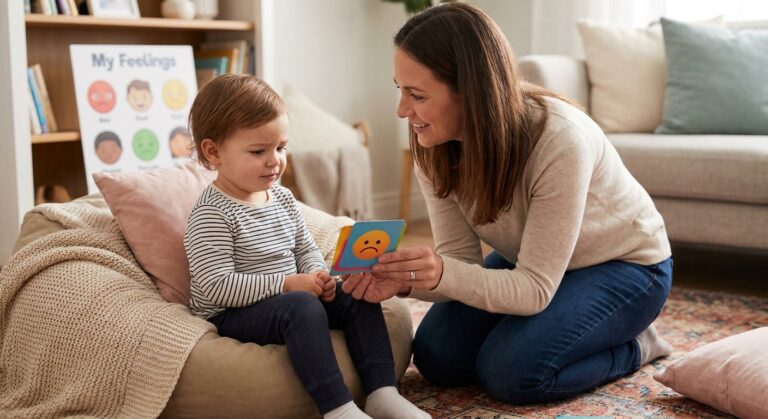

Finding reliable and informed childcare is a crucial part of family life, especially when raising a child with neurodevelopmental differences. Leaving your child with a new caregiver can bring a mix of emotions, from anticipation for a well-deserved break to concerns about whether the babysitter will understand your child’s unique needs. This guide helps you confidently prepare a babysitter for autistic child, ensuring a positive experience for everyone involved. Investing time in preparation empowers caregivers and helps maintain the routines and consistency that are so important for your child’s well-being.
Why Thoughtful Preparation Matters for Your Babysitter and Child
For families of children with neurodevelopmental differences, daily care often requires specific strategies and a deep understanding of their child’s communication style, sensory sensitivities, and routines. Parents of autistic children often report heightened stress and a sense of being overburdened, which can affect their quality of life. Access to reliable childcare, including a well-prepared babysitter, is essential for parents to manage their own well-being and sustain the consistent support their child needs. It can also enable parents to engage in other important activities, including therapeutic interventions, as specialized childcare is often a non-negotiable service required for family participation in such programs.
Thoughtful preparation helps reduce anxiety for parents, the child, and the new caregiver. When a babysitter understands your child’s world, they can provide sensitive, responsive care that reinforces positive routines and avoids unnecessary stressors. This support for the family unit ultimately contributes to a stable environment that can complement and sustain a child’s overall developmental progress.
What to Look For in a Babysitter for Autistic Child
Selecting the right babysitter involves more than just finding someone available. It means looking for qualities that align with your child’s specific needs. The ideal babysitter for autistic child should be mature, reliable, and genuinely friendly with children. They should also demonstrate patience, flexibility, and a willingness to learn about your child’s individual communication, sensory, and behavioral patterns.
When interviewing potential caregivers, ask about their previous experience with children and how they would handle various situations, such as managing a child’s meltdowns or supporting specific routines. Inquire about activities they enjoy doing with children, and explain your expectations regarding play, learning, or quiet time. It can be helpful to have a potential sitter visit your home while you are present, allowing them to meet your child and observe your family’s dynamics. This “trial run” can help you evaluate if the person is a good fit for your family, and it gives your child a chance to interact with them in a comfortable setting.
Essential Information for Leaving Autistic Child With Babysitter
When you are preparing a babysitter for neurodivergent child, clear and comprehensive communication is key. Your babysitter needs to understand not just general care instructions, but also the specific nuances of your child’s neurodevelopmental differences. Provide detailed notes on your child’s daily schedule, including meal times, nap or bedtime routines, and preferred activities. Discuss any specific sensory sensitivities, such as aversion to certain sounds, textures, or lights, and provide strategies for managing these. For instance, if your child startles to loud sounds, you might suggest quieter activities or explain how to respond to unexpected noises. Caregivers of autistic children often use specific strategies to engage their child, such as speaking louder or clapping hands to gain attention, or always introducing new people. Share these strategies with your babysitter.
It is also vital to share your child’s communication style, whether they use spoken words, picture exchange systems, or other methods. Explain how your child expresses needs, discomfort, or excitement. If your child has specific ways of expressing frustration, such as through repetitive movements or withdrawing, explain what these signals mean and how the babysitter can respond effectively. Understanding the difference between a meltdown and a tantrum can equip a caregiver to respond with empathy and appropriate support. You can find more insights on this topic by reading our article on Understanding Meltdowns vs. Tantrums: What’s Really Happening.
Your Special Needs Babysitter Checklist
A thorough checklist ensures your babysitter has all the information they need when you are leaving autistic child with babysitter. This practical guide supports both the caregiver and your child, fostering a sense of confidence and security for everyone. Consider developing a One-Page Profile for your child, which can condense essential information into an easy-to-read format for any new caregiver.
- Emergency Contacts:
- Your cell phone numbers and where you will be.
- Phone numbers for trusted neighbors or relatives.
- Your child’s pediatrician’s name and number.
- Emergency services (911) and Poison Control (800-222-1222) clearly displayed.
- Medical Information:
- Any allergies (food, environmental, medication).
- List of medications, dosage, and administration schedule.
- Notes on any medical conditions or specific needs.
- Dates of birth and approximate weights for medical professionals if needed.
- Routines and Preferences:
- Meal and snack times, preferred foods, and foods to avoid.
- Nap or bedtime routines, including any comfort items or specific steps.
- Favorite activities, toys, and shows.
- Activities to avoid or that might be overstimulating.
- Any specific rules regarding media use or screen time.
- Communication and Behavior:
- How your child communicates needs and feelings.
- Signs of distress, frustration, or sensory overload.
- Effective calming strategies or comfort techniques.
- Preferred methods for redirection or prompting.
- Household Information:
- Tour of the house, including fire escape routes and safety exits.
- Location of emergency supplies (first aid kit, flashlight).
- Instructions on locking doors or not opening to strangers.
- Any specific rules for the home (e.g., no entering certain rooms).
- Transportation:
- If the sitter will drive your child, provide appropriate car safety seats and booster seats.
- Emergency plans for vehicle breakdown or accident.
Having a comprehensive plan for preparing a babysitter for your autistic child empowers both your family and the caregiver. It builds trust and ensures that your child receives the consistent, informed care they thrive on. Remember that establishing routines and clear communication is crucial for all children, and you can find more guidance on this by exploring our article on Building Routines That Actually Work for Your Family.
Taking the time to equip your babysitter with the knowledge and tools they need not only supports your child but also provides you, the parent, with valuable respite. This break can help alleviate the psychological distress and overwhelming burden that can sometimes accompany caring for a child with neurodevelopmental differences. Ball Four Foundation believes that families don’t fail their children; systems fail families by not providing clear, trustworthy information and support. By preparing your babysitter well, you are building a stronger support system for your entire family.
To further support your journey, Ball Four Foundation offers a wealth of research-backed educational resources and practical guidance for families navigating neurodevelopmental differences. Explore the resource library: https://www.ballfour.org/notes