Building Routines That Actually Work for Your Family
Family life can often feel like a juggling act, especially when navigating the unique needs and rhythms of each child. For families with children who are neurodivergent or on the autism spectrum, establishing a sense of predictability isn’t just helpful—it can be profoundly supportive for their emotional well-being and overall development. Routines act as gentle guideposts, offering comfort and clarity in a sometimes overwhelming world.
At BallFour, we understand that nurturing a child’s potential extends beyond the playing field into the home. We champion structured opportunities that empower children, focusing on psychological growth and the development of essential life skills. This article explores why routines are so powerful for all families, particularly those supporting neurodivergent children, and offers practical ways to build rhythms that truly work for everyone.
The Deep Impact of Routines on Child Development
Routines provide a critical framework of safety and predictability, which can significantly reduce anxiety and improve emotional regulation, especially for children on the autism spectrum or with other neurodivergent conditions. When a child knows what to expect next, it creates a sense of control and security, fostering confidence and independence. This psychological grounding is invaluable for navigating daily transitions and challenges.
As experts highlight, “Daily routines help family life run smoothly. A routine helps family members know who should do what, when, in what order and how often.” This structure allows children to develop a strong sense of responsibility and basic skills like time management from an early age. By consistently engaging in routines, children can build a deeper understanding of their environment and their role within it, enhancing their sense of mastery and self-efficacy.
Crafting a Family Culture of Connection and Consistency
Beyond simply managing tasks, routines are instrumental in building a unique “family culture”—a set of shared values and practices that strengthen bonds and create lasting memories. Whether it’s sharing regular family meals or engaging in a dedicated “family reading hour,” these consistent moments foster deeper connections and a sense of belonging. Such rituals can transform mundane activities into cherished family traditions.
Involving children in the creation of these routines nurtures teamwork and empowers them with a voice in their daily lives. This collaborative approach ensures that routines are not just imposed but are truly embraced by everyone. It’s important to remember that “a good routine is one that suits your family,” meaning flexibility and adaptability are key to creating a rhythm that brings peace and continuity to your home rather than rigidity.
Practical Steps to Build Your Family’s Unique Rhythm
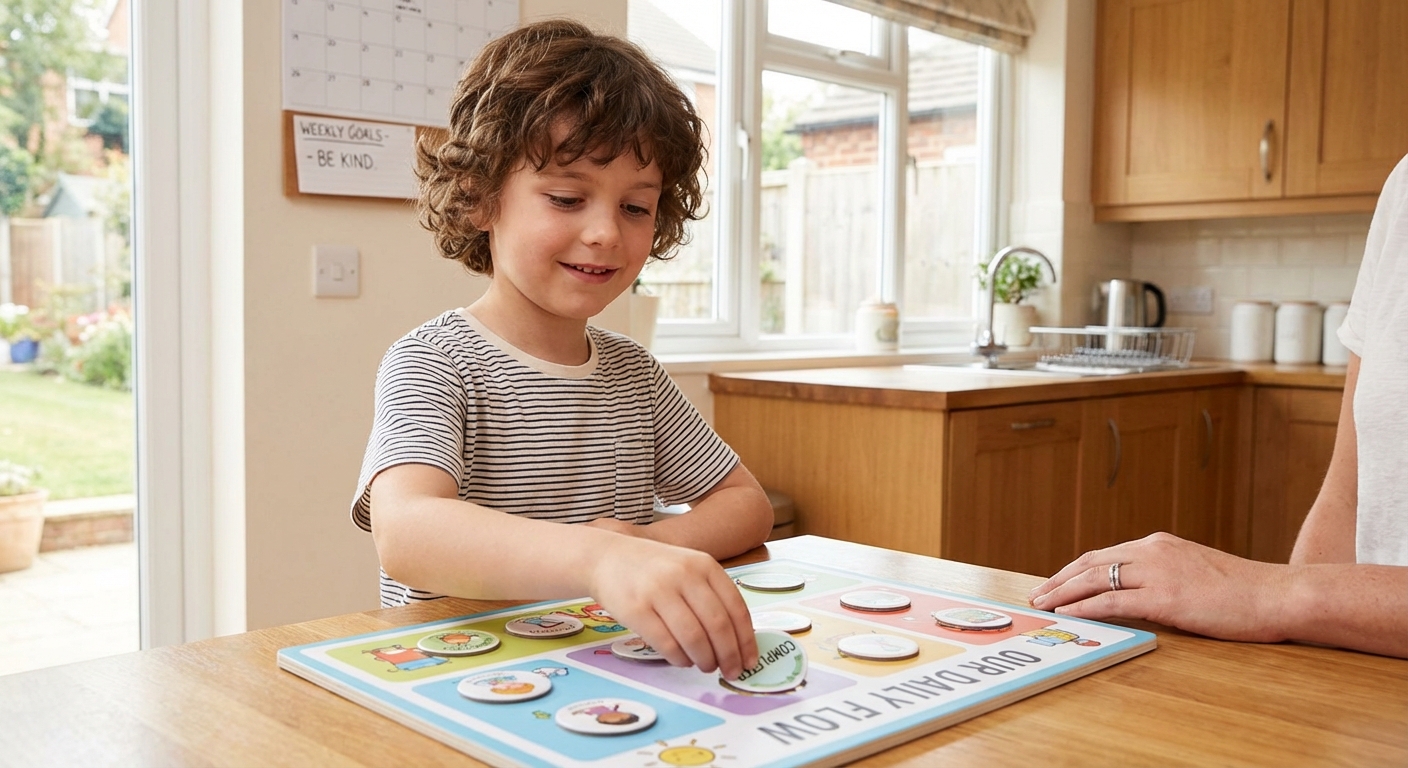
Building effective routines doesn’t require an overhaul of your entire life; it’s about making small, consistent changes. Begin by identifying one or two areas where more structure would be beneficial, such as a consistent bedtime routine or a morning preparation sequence. For children with neurodivergence, visual schedules or charts can be incredibly helpful tools, providing clear, tangible steps that reduce uncertainty.
Consistency is crucial for routines to take hold, but so is the willingness to review and adjust as your family’s needs evolve. “Tips that will help you craft routines that fit into your family dynamic” often emphasize starting simple and building gradually. For example, a “Family Reading Hour” where everyone reads in the same space without screens once a week can be a restful routine that promotes calm and connection. Remember, the goal is to create systems that support a happier home and stronger relationships, not to achieve perfection.
BallFour: Fostering Structure Through Play and Purpose
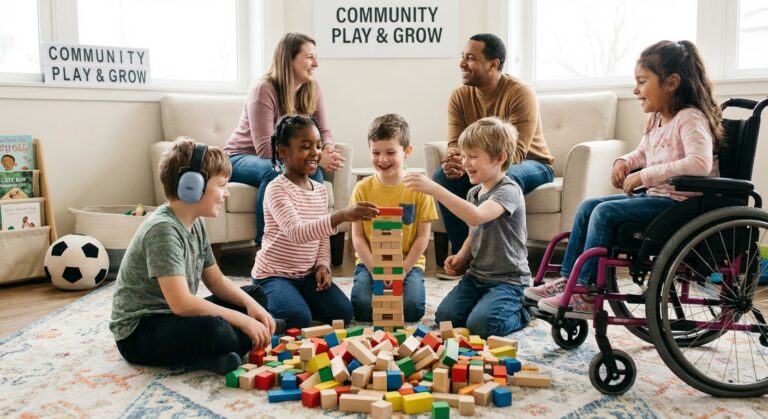
At BallFour, we see how structured activities, particularly sports and team play, naturally provide many of the same benefits as strong home routines. Our programs are designed to offer predictable environments where children, including those with neurodivergence, can learn to understand expectations, manage emotions, and develop crucial social skills. The routine of practice, teamwork, and fair play mirrors the positive structures that lead to growth and resilience at home.
We are dedicated to creating inclusive opportunities where every child can experience the joy of participation and the confidence that comes from achieving personal milestones within a supportive framework. Our approach focuses on the psychological benefits of structured engagement, helping children build self-esteem, learn coping strategies, and develop a sense of belonging.
Effective family routines are not about restricting spontaneity but about creating a solid foundation that allows for greater freedom and joy. They provide the predictability and psychological safety that enable children, particularly those with neurodivergence, to thrive emotionally and developmentally. By embracing thoughtful routines, families can cultivate environments where every member feels supported, understood, and empowered to reach their full potential.
At BallFour, we believe in creating environments where every child can flourish, and that often begins with the supportive structures we build at home. To learn more about our programs and how we champion youth development through sports, please reach out to us. For additional resources on establishing helpful family routines, you might explore trusted parenting platforms like Raising Children Network, which offers valuable insights into the benefits and methods of family routines. We are always here to connect with families who share our vision. You can contact us directly at contactus@ballfour.org to discover how BallFour creates inclusive opportunities for children, especially those with neurodivergence, to build confidence, resilience, and a sense of belonging.
Key Takeaways
- Routines provide crucial predictability and reduce anxiety, especially for neurodivergent children, supporting their emotional well-being and development.
- Consistent family routines foster a strong family culture, strengthen bonds, and teach essential life skills like responsibility and time management.
- Effective routines are flexible, involve the whole family, and contribute significantly to psychological well-being and a happier, more harmonious home environment.