Creating a Pre-Practice Routine That Sets Your Child Up for Success
For children, especially those who are neurodivergent or on the autism spectrum, routines are more than just habits; they are vital frameworks that provide stability, predictability, and a sense of security. As they engage in sports and other activities, a well-structured pre-practice routine can be the secret ingredient that transforms apprehension into excitement, and scattered energy into focused participation. At BallFour, we believe in empowering every child to thrive, and understanding the power of routine is a cornerstone of that belief.
A consistent routine before an activity helps manage expectations, reduces anxiety, and prepares a child both mentally and physically for what’s ahead. This article will explore why pre-practice routines are so beneficial, how to craft an effective one, and how these practices align with our mission to support youth development through sports.
The Power of Predictability: Why Routines Matter
Life can be unpredictable, but for many children, particularly those with neurodivergent conditions, unexpected changes can be incredibly unsettling. Routines help create a safe and consistent environment, allowing children to feel more at ease. When a child knows what to expect, their cognitive load decreases, freeing up mental energy for learning and engagement.
Just as a consistent morning routine can set a positive tone for the school day, a pre-practice routine sets the stage for success in sports. It helps children transition smoothly from one activity to the next, promoting better concentration and higher energy levels. This preparation is crucial for developing essential life skills like time management and self-regulation, as highlighted by resources on creating successful family routines.
Crafting a Winning Pre-Practice Routine
Building an effective pre-practice routine doesn’t have to be complicated. It’s about establishing a series of simple, consistent steps that help your child prepare for their activity. The key is to involve your child in the process, helping them understand the “why” behind their practice and what they are working towards, which is a fundamental step in building any consistent practice routine.
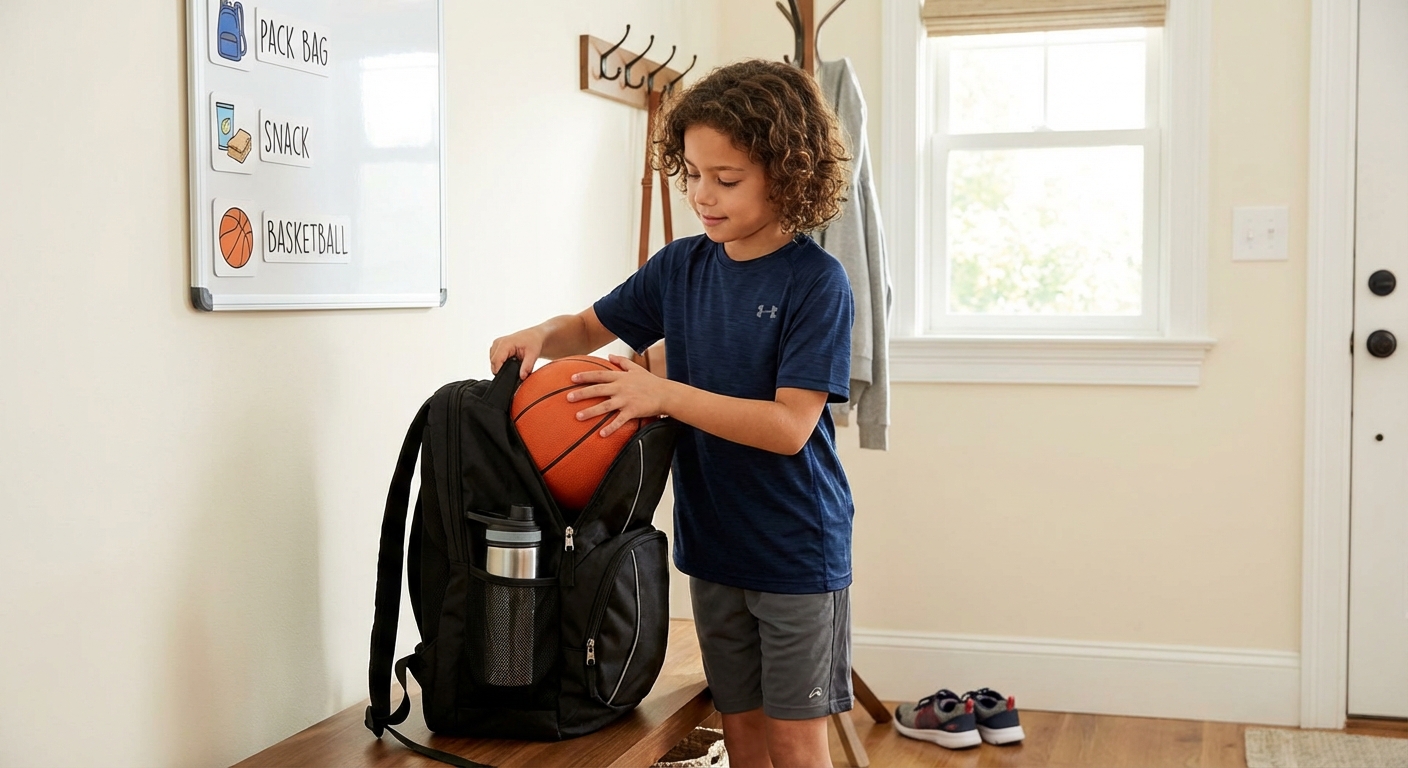
- Discuss and Visualize: Before practice begins, take a few minutes to talk about it. What will they be doing? Who will be there? This can significantly reduce apprehension. For children with autism, visual schedules can be incredibly effective, illustrating each step of the routine.
- Physical Preparation: Encourage simple steps like getting dressed in their sports attire, having a light, healthy snack, and ensuring all necessary equipment (ball, water bottle, specific shoes) is packed. Laying out clothes the night before, similar to preparing for school, can streamline this process.
- Mental Warm-up: This could be a moment of quiet focus, a quick breathing exercise, or even listening to a favorite calming song. The goal is to shift their mindset from daily activities to the upcoming practice.
- Consistent Timing: Try to schedule the routine at a consistent time before practice. This consistency helps children internalize the routine and anticipate the transition.
Empowering Your Child Through Ownership
The most successful routines are those where the child feels a sense of ownership. Instead of simply dictating the steps, involve your child in designing their pre-practice ritual. Ask them what helps them feel ready. For example, some children might prefer a quiet moment, while others might benefit from a brief active play session to burn off excess energy before heading to practice.
When children participate in creating their routine, they are more likely to adhere to it and feel empowered. This collaborative approach fosters independence and helps them understand the significance of preparing for their commitments. It teaches them self-advocacy and provides them with a toolkit for managing their own preparation, a skill that extends far beyond the sports field.
The BallFour Difference: Supporting Every Child’s Journey
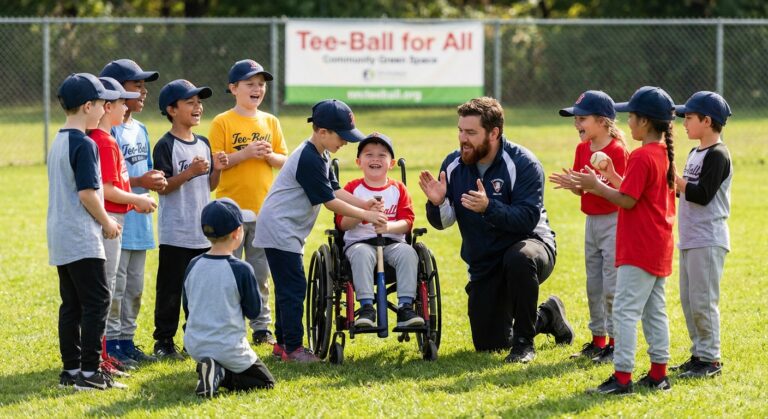
At BallFour, we understand that every child’s journey is unique, especially for those with neurodivergence or autism. Our programs are designed with inclusion and individualized support in mind. By encouraging and facilitating personalized pre-practice routines, we aim to reduce barriers to participation and enhance the positive impact of sports on psychological well-being.
These routines provide the necessary structure that can make sports accessible and enjoyable, helping children build resilience, teamwork skills, and self-confidence. We focus on creating an environment where children can experience the joy of movement, the thrill of camaraderie, and the satisfaction of personal growth, all supported by predictable and empowering preparation.
A well-implemented pre-practice routine is a gift you can give your child, providing them with the tools to navigate challenges and embrace opportunities with confidence. It’s about more than just getting ready for a game; it’s about building foundational skills that will serve them throughout their lives. By fostering consistency and predictability, we help our children develop into resilient, engaged, and joyful participants in their communities and beyond.
If you’re looking for more guidance on supporting your child’s development through sports, or to learn more about our inclusive programs for children, please don’t hesitate to reach out. We are committed to creating opportunities for all children to experience the transformative power of sports. You can connect with us directly at contactus@ballfour.org to discover how we champion opportunity, inclusion, and hope for every child. You can also explore additional resources on our website to learn more about the positive impact of routines and structured activities.
Key Takeaways
- Pre-practice routines provide essential stability and predictability, especially beneficial for neurodivergent children, reducing anxiety and enhancing focus.
- An effective routine involves discussing expectations, physical preparation, and a mental warm-up, tailored to your child’s needs.
- Involving your child in creating their routine fosters ownership, independence, and a stronger commitment to their activities.