From Information to Inclusion: Why Sports & Arts Matter for Children
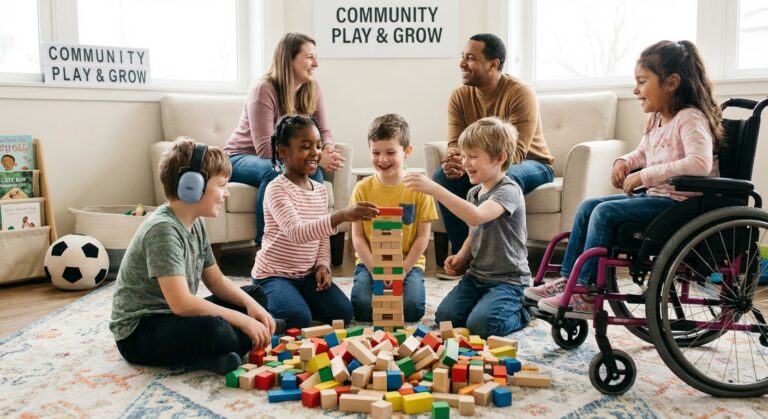
Every child deserves the chance to explore their potential, build confidence, and find their place in the world. While academic learning is fundamental, a truly holistic education extends far beyond textbooks and classrooms. For children, especially those with neurodivergence and autism, engagement in sports and arts can be a transformative journey, opening doors to vital developmental pathways that support their unique needs and strengths.
At BallFour, we believe in fostering environments where every child, including those on the autism spectrum, can thrive. Sports and arts provide incredible opportunities for growth, self-expression, and connection, cultivating skills that last a lifetime. These activities are not just about fun; they are powerful tools for emotional regulation, social development, and building self-esteem in a supportive community.
This article explores the profound impact that combining sports and arts can have on a child’s development, highlighting how these activities contribute to emotional well-being, social skills, and overall inclusion for all children.
Beyond Academics: Fostering Whole-Child Development
Traditional schooling provides essential knowledge, but a child’s development encompasses much more than just academic achievement. Sports, arts, and other extracurricular activities offer children invaluable opportunities to grow in ways that academics alone cannot provide. These diverse experiences are crucial for what is known as “whole-child development,” ensuring that children mature into well-rounded individuals ready to navigate the complexities of life.
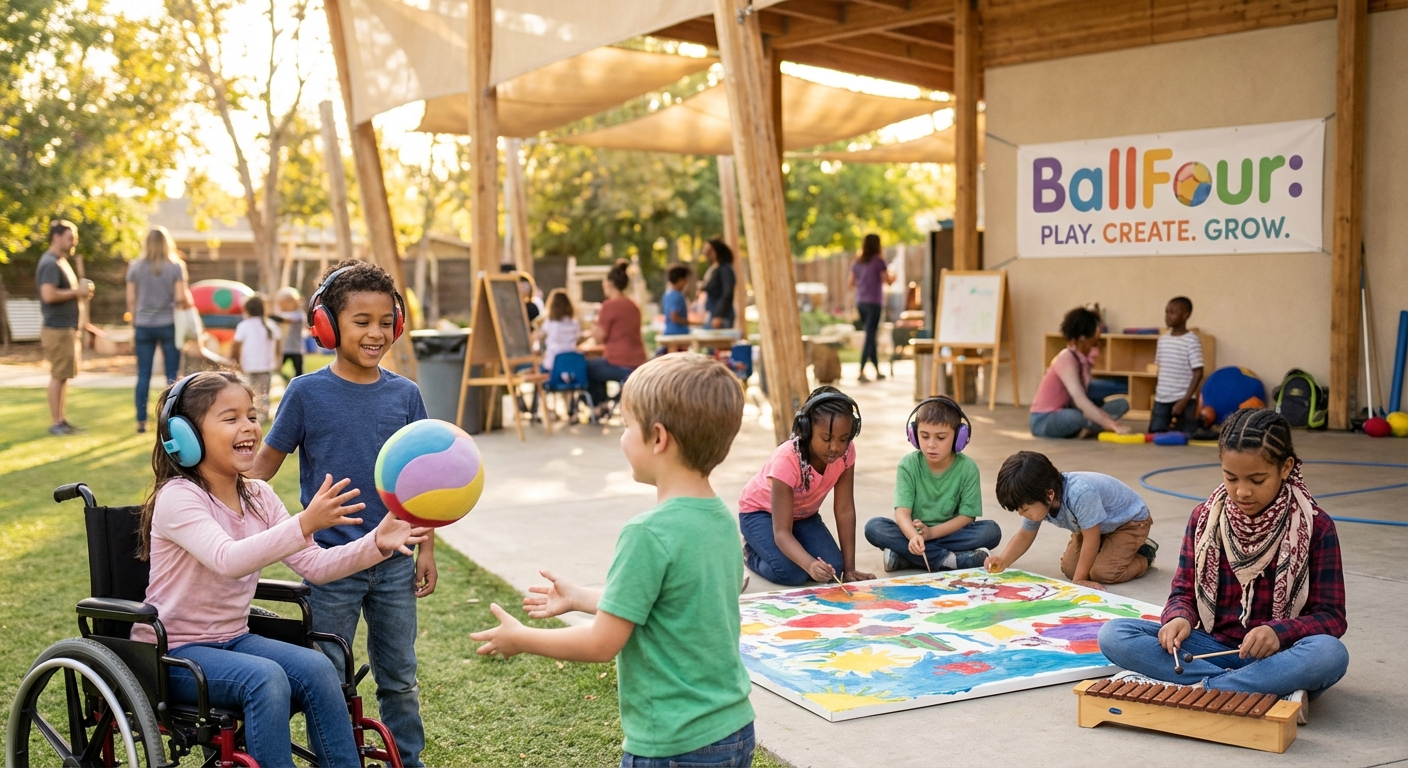
These activities allow children to discover hidden talents, build new skills, and engage with the world in a multi-faceted way. Whether it’s the discipline of a team sport, the imaginative freedom of painting, or the rhythmic expression of dance, each endeavor contributes uniquely to their cognitive, emotional, social, and physical health. Combining arts, sports, and academics creates a powerful synergy for comprehensive growth.
Emotional Resilience and Self-Expression Through Creative and Physical Outlets
Life presents children with various challenges, and learning to navigate their emotions is a critical skill for healthy development. Both sports and arts play a significant role in helping children regulate their emotions, build resilience, and cope with setbacks. These are important attributes that empower children to face adversity with strength and optimism.
In sports, children learn about perseverance, managing frustration, and bouncing back from a loss. The arts, on the other hand, provide a unique avenue for self-expression, allowing children to communicate feelings and ideas that might be difficult to articulate verbally. Participating in art gives children a sense of ownership and accomplishment, which significantly contributes to a stronger sense of self-worth. This is particularly beneficial for children with neurodivergence, who may find non-verbal communication and creative outlets to be powerful tools for understanding and expressing their inner world.
Building Confidence and Essential Life Skills
Confidence is a cornerstone of a child’s ability to engage with peers, try new things, and advocate for themselves. Participation in arts and sports significantly contributes to building confidence and self-esteem among students. When children achieve a goal in sports or complete an art project, they gain a tangible sense of accomplishment that boosts their self-belief.
Research suggests that children who participate in sports are more likely to develop teamwork skills, resilience, and a healthy competitive spirit. Similarly, involvement in the arts fosters creativity, problem-solving, and critical thinking. When children engage in both fine arts and sports, they experience a unique combination of benefits, gaining from the creativity and discipline of the arts while also enjoying the teamwork and physical health advantages of sports. These extracurricular activities provide children with a safe space to grow, learn, and develop essential life skills, making them a crucial investment in their future.
The Unique Synergy for Neurodivergent Children
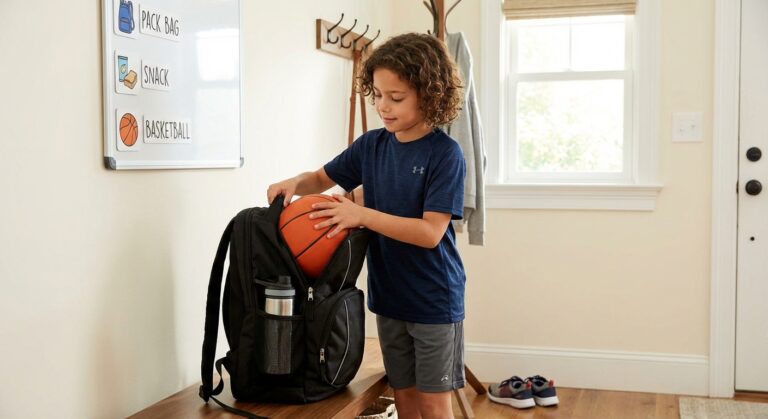
For children with neurodivergence and autism, the combined benefits of sports and arts are especially profound. Sports activities can help develop motor skills, coordination, and a structured environment that can be comforting. Adapted sports or modified games can teach social cues, turn-taking, and cooperation in a playful, low-pressure setting. The repetition and predictability found in many sports can also be incredibly soothing and beneficial for children who thrive on routine.
The arts offer an unparalleled channel for sensory exploration and non-verbal communication. Painting, music, dance, or drama can provide sensory input that is both engaging and regulating. For a child who may struggle with spoken language, art offers a powerful alternative for expressing complex emotions, ideas, and observations. These activities foster creativity and imagination, allowing children to explore their unique perspectives without judgment. Together, sports and arts create a comprehensive framework that addresses the diverse psychological and developmental needs of neurodivergent children, promoting inclusion and enabling them to flourish authentically.
Conclusion
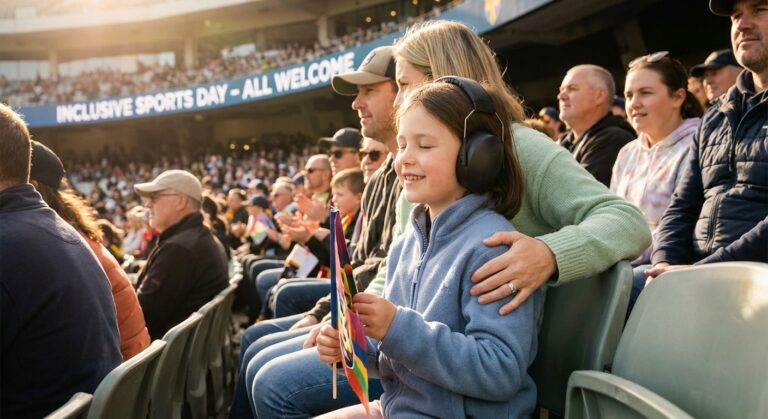
The journey from simply having information to truly embracing inclusion for all children involves recognizing the multifaceted benefits of sports and arts. These activities are more than just hobbies; they are vital components of holistic development, fostering emotional resilience, building confidence, and teaching essential life skills. For children, especially those with neurodivergence and autism, sports and arts provide critical pathways for self-expression, social connection, and an empowering sense of belonging.
At BallFour, we are dedicated to creating opportunities for every child to experience the transformative power of these activities. We envision a future where all children, regardless of their neurodevelopmental profile, have access to inclusive programs that nurture their minds, bodies, and spirits, helping them grow into confident, joyful, and connected individuals. We are committed to championing their unique abilities and ensuring they receive the support they need to thrive.
We invite you to learn more about our mission and how we support children through sports-based social impact. If you have questions or wish to connect with us, please reach out via email at contactus@ballfour.org. Together, we can make a difference in the lives of children and foster a more inclusive and understanding community.
Key Takeaways
- Sports and arts are crucial for comprehensive “whole-child development,” extending beyond academic learning.
- Both types of activities build emotional resilience, self-expression, confidence, and essential social skills like teamwork.
- For neurodivergent children, sports and arts offer unique, tailored opportunities for psychological development, communication, and inclusion.