How Neurodevelopmental Differences Show Up in Everyday Life
Every child possesses a unique mind, a intricate world of thoughts, feelings, and ways of understanding. Just as no two children look exactly alike, no two brains process information in precisely the same way. This beautiful variation in human brains is what we call neurodiversity. For some children, these differences are more pronounced, leading to unique strengths and distinct challenges that shape their daily experiences.
At BallFour, we believe in embracing every child’s individuality. Understanding neurodevelopmental differences isn’t about labeling or fixing; it’s about appreciating the diverse ways children learn, interact, and perceive the world. By recognizing these differences, we can build more inclusive and supportive environments where every young person has the opportunity to thrive.
This article will explore what neurodevelopmental differences mean for children, how they can manifest in everyday situations, and why fostering understanding and support is crucial for their well-being and development.
Understanding Neurodiversity in Children
Neurodiversity is a concept that acknowledges the natural variation in human brains. It suggests that conditions like autism, ADHD, and dyslexia are simply different ways of experiencing the world, rather than deficits or disorders that need to be “cured.” As the Cleveland Clinic explains, “neurodiversity means that all people’s brains process information differently from each other.” This highlights that people think and learn in a variety of ways.
Children whose brains develop or work differently from what is considered “typical” are often described as neurodivergent. Their peers, whose brains work more typically, are called neurotypical. It’s vital to remember that being neurodivergent means a child has different strengths and struggles; it doesn’t mean they are “broken.” Moreover, no two neurodivergent children are the same. Each child has their own distinct personality, preferences, and a unique combination of abilities and challenges, even within the same neurodevelopmental profile.
How Neurodevelopmental Differences Manifest Daily
For children, neurodevelopmental differences can impact a wide range of daily activities and interactions. These differences aren’t just about academic learning; they influence social skills, emotional regulation, sensory experiences, and even how a child plays or approaches new situations.
- Learning and Focus: A child with ADHD, for instance, might struggle with sustaining attention in a classroom setting or organizing tasks, while a child with dyslexia might find reading and writing more challenging despite being highly intelligent. Their brains simply process information related to focus or language differently.
- Social Interactions: Children on the autism spectrum might interpret social cues differently, struggle with eye contact, or prefer solitary play. This isn’t due to a lack of desire for connection, but rather a different neurological wiring for social understanding and communication.
- Emotional Regulation: Some neurodivergent children may experience emotions more intensely or have difficulty expressing them in ways that neurotypical peers might expect. They might become easily overwhelmed by sensory input or changes in routine, leading to what can appear as meltdowns or shutdowns.
- Sensory Experiences: The world can feel very different for a neurodivergent child. Bright lights, loud noises, certain textures, or even strong smells can be overwhelming or, conversely, barely noticed. This impacts their comfort and engagement in various environments, from a busy playground to a quiet library.
When these differences lead to significant difficulties in a child’s day-to-day life, they may receive a diagnosis of a neurodevelopmental disorder. However, the neurodiversity perspective encourages us to see these conditions not as flaws, but as variations that require understanding, accommodation, and tailored support.
Fostering an Environment Conducive to Neurodiversity
Creating supportive environments for neurodivergent children is paramount. This means moving away from the idea that differences need to be “fixed” and instead focusing on understanding, accepting, and celebrating each child’s unique way of being. As Harvard Health notes, it’s crucial “to recognize and emphasize each person’s individual strengths and talents while also providing support for their differences and needs.”
For children, this can involve:
- Personalized Learning Approaches: Adapting educational methods to suit a child’s processing style, whether that means visual aids, hands-on activities, or quieter spaces for focused work.
- Social Skill Development: Teaching explicit social skills and providing opportunities for structured social interactions where children can practice in a safe and understanding environment.
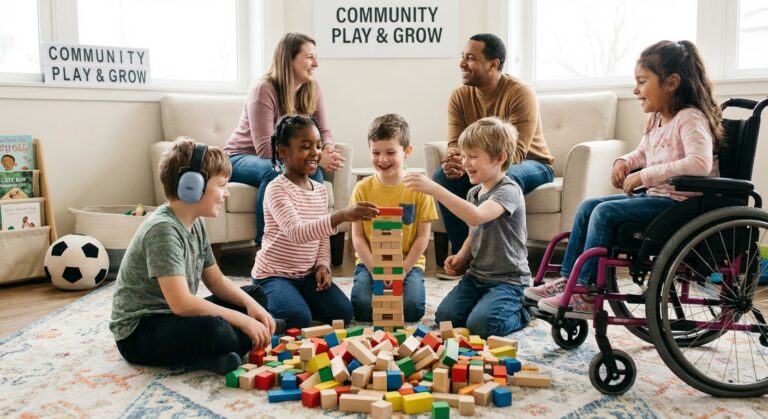
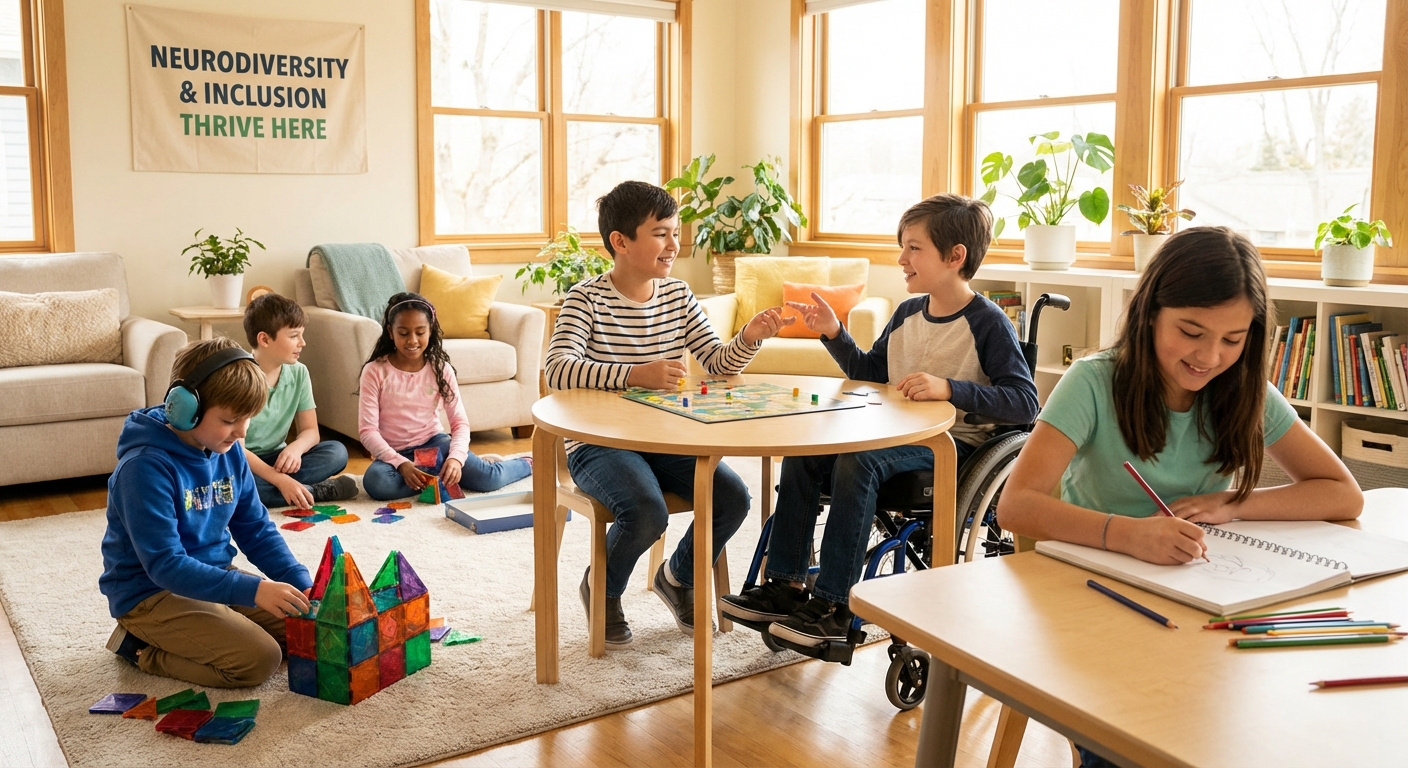
- Sensory Accommodations: Being mindful of sensory triggers and offering tools like noise-canceling headphones, fidget toys, or designated quiet zones.
- Emotional Support: Helping children develop strategies for self-awareness and emotional regulation, such as mindfulness practices, which some studies suggest can help reduce anxiety in autistic people.
Learning from the experiences of other neurodivergent individuals and their families can also provide valuable strategies and insights. By fostering an environment of empathy and awareness, we empower children with neurodevelopmental differences to navigate their world with confidence and reach their full potential.
Building a Future of Understanding and Support
Recognizing how neurodevelopmental differences show up in everyday life is the first step towards building a truly inclusive community for all children. It allows us to shift our perspective from seeing challenges to identifying unique strengths and finding creative ways to support every child’s journey. At BallFour, we are committed to fostering understanding, promoting inclusion, and ensuring that children with neurodevelopmental differences have every opportunity to shine.
If you are a parent, educator, or community member seeking to learn more about supporting children with neurodevelopmental differences, or if you have questions about our initiatives that embrace the psychological well-being of neurodivergent youth, we encourage you to connect with us. Your insights and involvement help us create a world where every child feels valued and understood. Please reach out to us at contactus@ballfour.org to learn how we champion opportunities for young people.
Key Takeaways
- Neurodiversity embraces the natural variation in human brain function, meaning all brains process information uniquely.
- Neurodevelopmental differences manifest in diverse ways, affecting learning, social interactions, and sensory experiences for children.
- Fostering understanding, providing tailored support, and creating inclusive environments are crucial for empowering neurodivergent children to thrive.