How Program Directors Can Welcome Families with Neurodevelopmental Disorders Kids
Creating truly inclusive environments where every child feels valued, understood, and empowered to participate is a cornerstone of positive youth development. For program directors, this commitment takes on special significance when welcoming families of children with neurodevelopmental disorders. These families often navigate unique challenges, and their journey begins long before they walk through your program’s door.
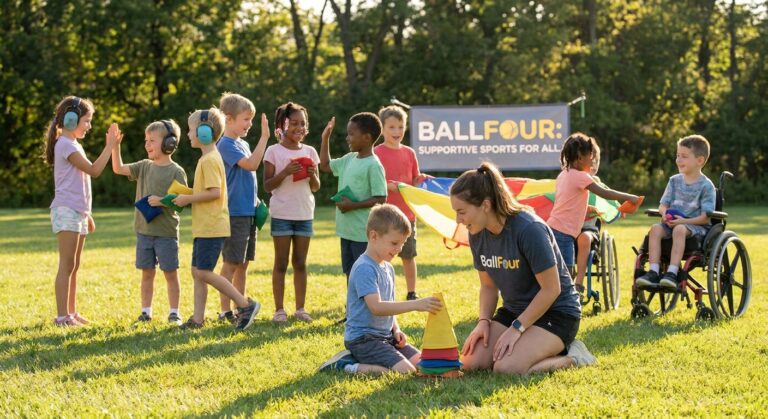
At BallFour, we believe in the transformative power of sports and community for all children, especially those with neurodivergence. We understand that psychological well-being, social connection, and a sense of belonging are crucial for a child’s growth. This article offers practical strategies for program directors to foster a welcoming, supportive, and truly inclusive experience for children with neurodevelopmental disorders and their families.
By focusing on empathy, preparedness, and collaborative partnerships, programs can become beacons of hope and opportunity, ensuring that every child has the chance to develop essential skills and thrive.
Understanding the Family Journey with Neurodevelopmental Disorders
The journey for families raising children with neurodevelopmental disorders, such as autism spectrum disorder or ADHD, often involves navigating complex diagnostic processes and learning to advocate for their child’s unique needs. As early educators and program leaders, understanding this initial phase of discovery and adaptation is vital. Families may be just beginning to process a diagnosis, or they might be seasoned advocates seeking environments that truly understand and support their child’s specific developmental path.
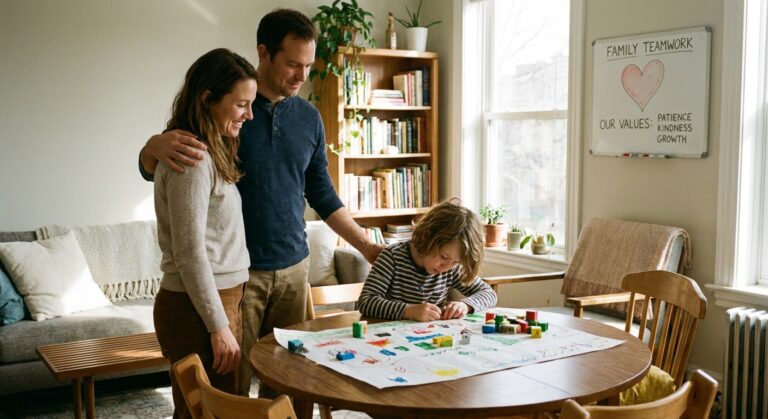
Empathy is key. Program directors should recognize that families are often the primary experts on their children. By approaching interactions with genuine curiosity and a willingness to listen, programs can build trust and establish a foundation for effective collaboration. This understanding helps bridge the gap between a family’s home life and the program environment, creating a more cohesive support system for the child.
Investing in Comprehensive Staff Training and Support
A truly inclusive program is built upon the competence and compassion of its staff. Our research into community settings consistently reveals that a lack of staff training and resources is a significant barrier to inclusion for children with neurodevelopmental disorders. To overcome this, program directors must prioritize comprehensive, ongoing training for all staff members.
Training should go beyond basic awareness to include practical tools and strategies. This might involve modules on understanding various neurodevelopmental profiles, identifying common communication differences, implementing behavioral supports, and fostering inclusive group dynamics. Resources like those found in an “Inclusive Camp Hub” concept can provide practical, research-grounded strategies that are easy to implement, enabling staff to create accessible activities and respond effectively to diverse needs. Trained staff are not just supervisors; they become facilitators of belonging and skill development.
Building Strong, Collaborative Partnerships with Families
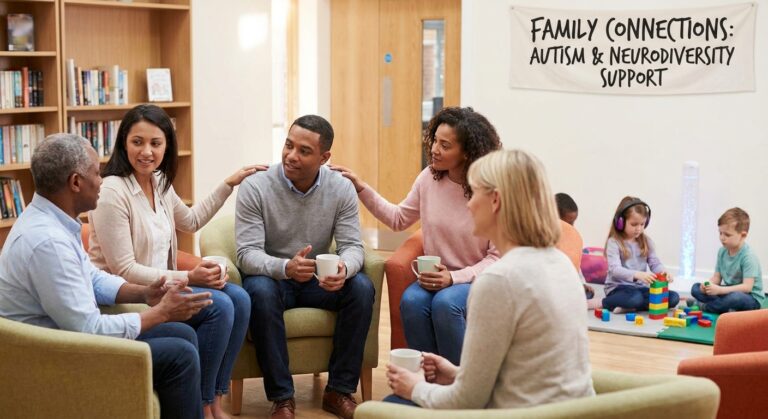
Engaging families as true partners is perhaps the most critical component of successfully welcoming children with neurodevelopmental disorders. Relationship-based practices, starting from the very first interaction and continuing through a child’s transition out of a program, are essential. Program directors and staff play a vital role in supporting these families, acting as allies and resources.
This partnership means more than just sharing information; it involves active listening, co-creating strategies, and respecting the family’s insights into their child’s strengths, preferences, and challenges. Open communication channels, regular check-ins, and a willingness to adapt program elements based on family feedback foster a sense of shared ownership. When families feel heard and valued, they are more likely to trust the program and engage fully, which ultimately benefits the child’s experience and development. Resources from institutions like Head Start emphasize these relationship-based approaches to effectively partner with families of children with disabilities.
Designing Thoughtful and Accessible Program Environments
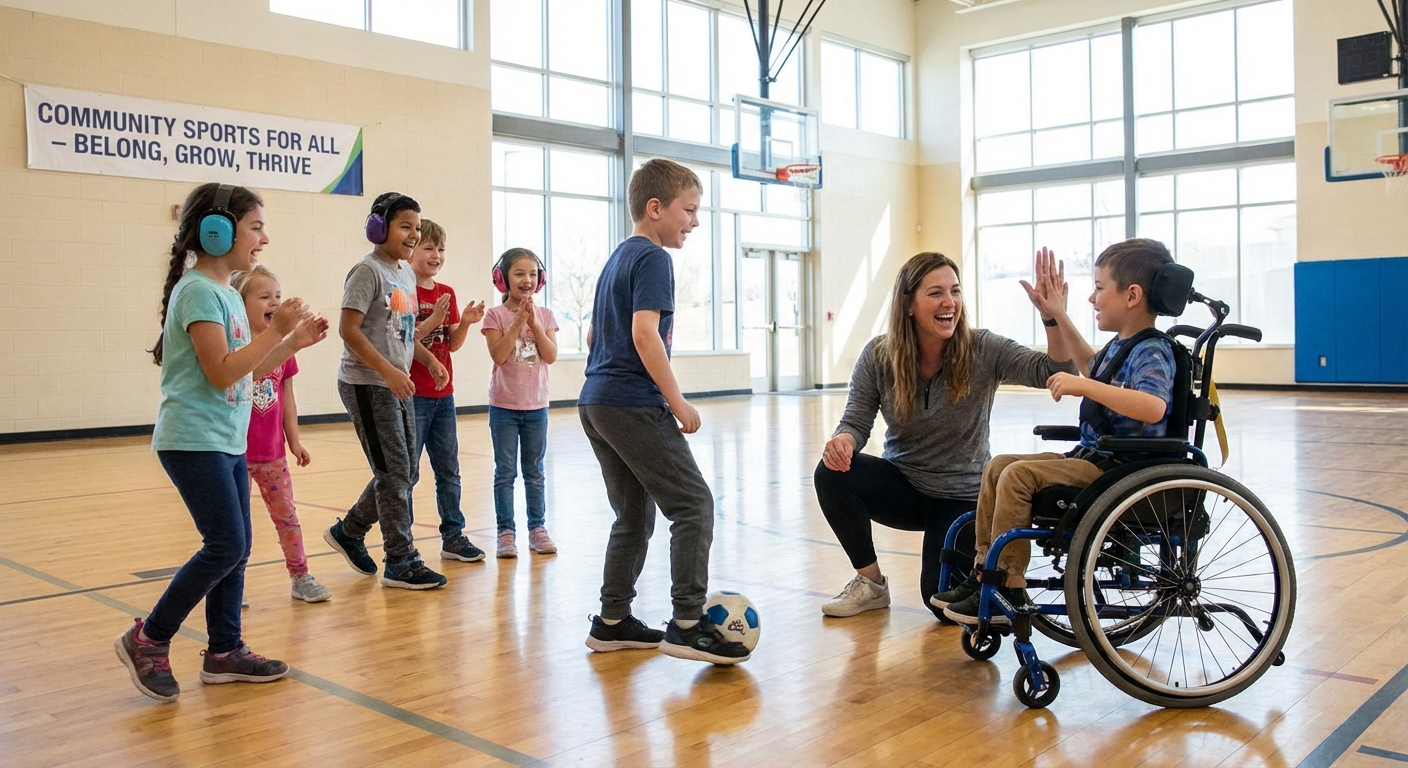
Inclusivity extends to the physical and psychological design of the program environment itself. Program directors should consider how spaces, activities, and routines can be adapted to support the unique sensory, communication, and social needs of children with neurodevelopmental disorders. This proactive approach ensures that the environment itself reduces potential stressors and promotes engagement.
Designing an inclusive program might involve offering clear visual schedules, creating quiet spaces for decompression, using direct and simplified language for instructions, and structuring activities to support various learning styles. For instance, a youth group aiming to help kids with neurodevelopmental disorders develop essential skills would consciously plan activities that build social reciprocity, emotional regulation, and communication in a supportive, predictable framework. By making intentional adjustments, programs can minimize barriers and maximize opportunities for all children to participate meaningfully and comfortably.
Creating inclusive programs for children with neurodevelopmental disorders is not merely about accommodation; it’s about recognizing the inherent potential in every child and actively working to unleash it. By prioritizing empathy, investing in staff training, forging strong family partnerships, and designing accessible environments, program directors can transform their offerings into spaces of profound positive impact. These efforts not only benefit the children directly involved but also enrich the entire community, fostering a culture of acceptance and understanding.
At BallFour, we are dedicated to championing the psychological well-being and developmental success of children with neurodevelopmental differences through sports and community engagement. If you are a program director eager to enhance your inclusive practices, or a family seeking supportive and enriching opportunities for your child, we encourage you to connect with us. We are here to support your journey towards creating more inclusive spaces where all children can find their stride and shine. Learn more about our mission and resources by exploring our work or reaching out directly. For direct inquiries, please email us at contactus@ballfour.org.
Key Takeaways
- Prioritize comprehensive staff training in neurodevelopmental awareness and practical inclusive strategies.
- Foster strong, collaborative partnerships with families, valuing their unique insights and expertise.
- Proactively design program environments and activities to be accessible, predictable, and supportive of diverse needs.