How to Handle Sensory Overload at Sports Events for Neurodivergent Children
Sports events are vibrant, exciting, and often loud celebrations of athleticism and teamwork. For many children, attending a game is a thrilling experience filled with cheers, bright lights, and energetic crowds. However, for children with neurodivergence, including those on the autism spectrum, these sensory-rich environments can quickly become overwhelming, turning a potential day of fun into a source of stress and anxiety.
At BallFour, we are dedicated to fostering inclusive environments where every child, especially those with sensory sensitivities, can experience the joy and developmental benefits of sports. Understanding and addressing sensory overload is crucial to making these experiences accessible and positive. This article offers practical strategies to help parents and caregivers navigate sports events, ensuring their children can enjoy the magic of the game comfortably and safely.
Understanding Sensory Overload in Dynamic Environments
Sensory overload occurs when a child’s nervous system is overwhelmed by too much sensory input, which can be particularly intense in stimulating environments like a sports stadium. The combination of loud crowd noise, sudden cheers, flashing lights, strong smells from concessions, and the sheer unpredictability of a game can quickly challenge a child’s ability to regulate their sensory experiences.
Children with autism often process sensory information differently, making them more susceptible to feeling overwhelmed by these inputs. Recognizing the potential triggers—such as sustained loud music, bright stadium lights, or crowded spaces—is the first step toward implementing effective strategies that mitigate these challenges and make the event more enjoyable and accessible for your child.
Preparation is Your Game Plan for Success
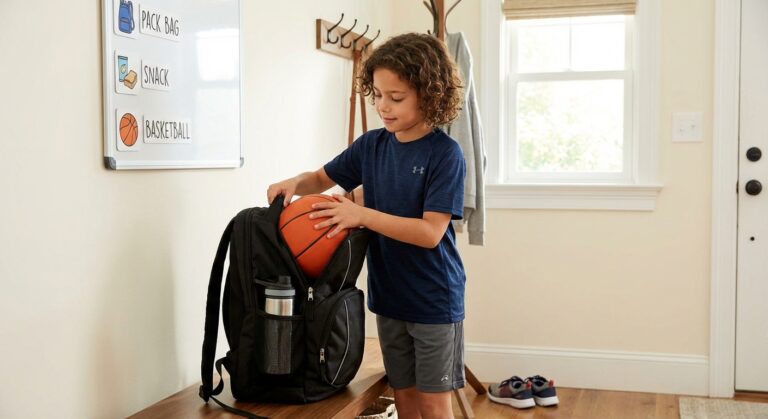
Before even stepping foot into a stadium, thoughtful preparation can significantly reduce potential stress. Discussing the upcoming event with your child, explaining what they can expect to see, hear, and even smell, helps them mentally prepare for the experience. Knowing the schedule, the team they’ll be watching, and what the venue looks like can empower them and reduce anxiety about the unknown.
Consider looking up videos or photos of the venue and past events together. This visual preview can help your child anticipate the environment, including the size of the crowd and the level of noise. For children who thrive on predictability, keeping them “in-the-know” about every aspect of the outing can be a powerful tool for managing expectations and reducing apprehension.
Essential Tools and Comfort Strategies
Equipping your child with the right tools can make a significant difference in their comfort level at a busy sports event. These items act as personal regulators, helping them manage intense sensory input:
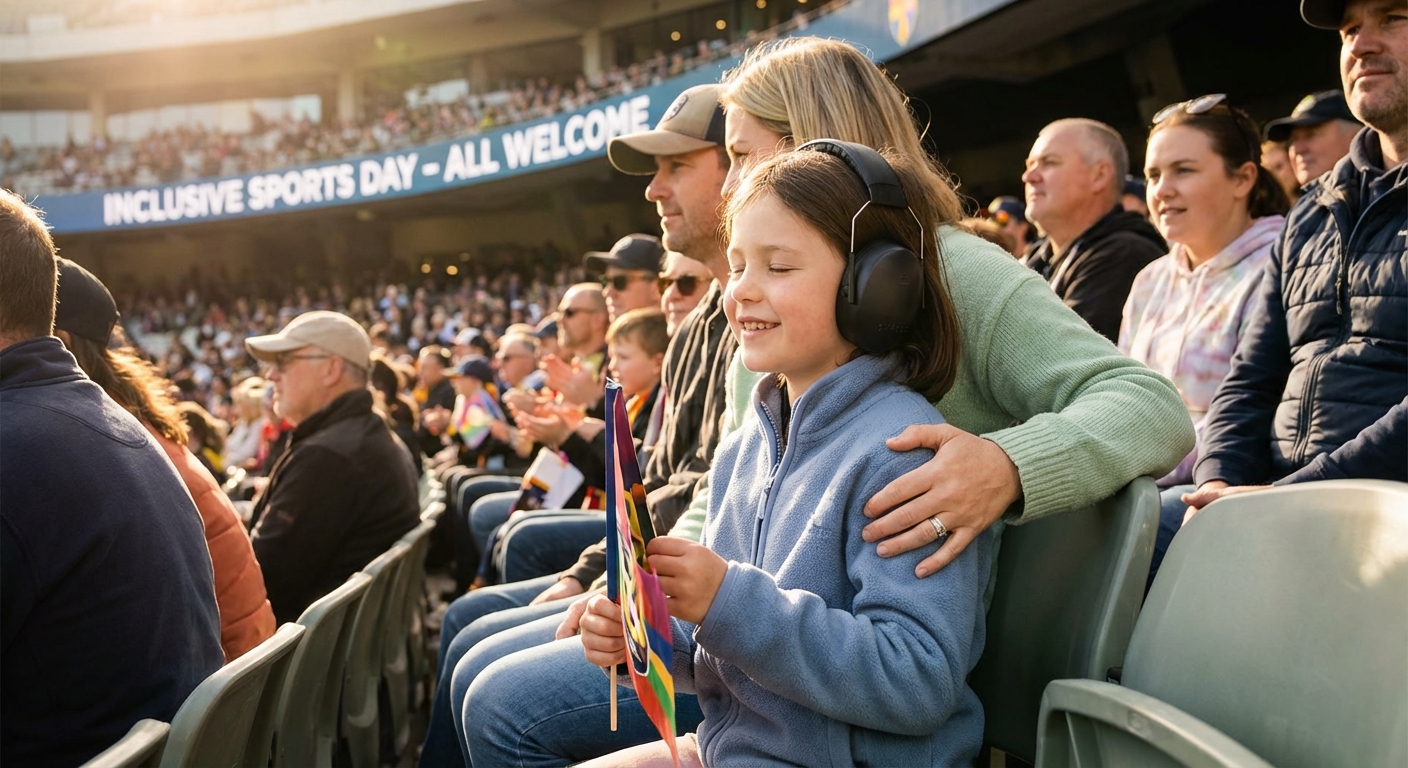
- Noise-Canceling Headphones: These are invaluable for mitigating auditory overload from loud cheers, music, or announcements. Lightweight noise-canceling headphones allow your child to filter out overwhelming sounds while still being present in the environment, helping them enjoy the event more comfortably.
- Sensory Items: A favorite fidget toy, a weighted lap pad, or a preferred comfort object can provide a crucial source of self-regulation. These items can help children process external stimuli and ground themselves when feeling overwhelmed.
- Comfortable Attire: Dressing your child in familiar, comfortable, and sensory-friendly clothing can prevent additional tactile discomfort. Avoid clothing with tags, scratchy fabrics, or restrictive fits that might add to sensory distress.
Navigating the Event: During-Game Strategies
Once at the event, active management of the environment and your child’s needs is key to a positive experience. Building in breaks and teaching coping mechanisms can be profoundly effective:
- Quiet Breaks and Movement: Identify less noisy areas or designated sensory-friendly spaces within the venue where your child can take a quiet break to decompress. Short walks around the venue can also serve as effective movement breaks for children who struggle with sitting still, providing a change of scenery and a chance to reset.
- Teach Calming Techniques: Equip your child with simple coping strategies. Techniques such as deep breathing, counting exercises, or progressive muscle relaxation can empower them to self-regulate when feeling overwhelmed. These practices can help manage both sensory overload and performance anxiety, fostering a sense of control.
- Strategic Seating: Whenever possible, choose seating that offers easier access to exits, bathrooms, or quieter zones. Peripheral seats or those slightly away from the main hub of noise and activity can provide a more manageable experience.
Remember, the goal is not to eliminate all sensory input, but to help your child navigate and cope with it in a healthy way. By providing tools and strategies, you empower them to engage with the world of sports on their own terms, fostering resilience and a sense of inclusion.
BallFour: Championing Inclusive Sports Experiences
At BallFour, we believe that every child deserves the chance to experience the excitement and developmental benefits that sports offer, regardless of their sensory needs. Our commitment is to create opportunities for all children, focusing on those with neurodivergence and autism, to participate in and enjoy sports in a supportive and understanding environment.
By implementing these strategies, parents and caregivers can help transform potentially overwhelming sports events into enriching and memorable experiences for their children. We aim to inspire hope and build resilience, ensuring that the magic of sports is accessible to every child in our community. If you have questions or wish to learn more about our initiatives, please reach out to us at contactus@ballfour.org. Together, we can build a world where every child can find their place in the game.
Key Takeaways
- Thorough preparation, including discussing event expectations and providing visual aids, is vital for children with sensory sensitivities.
- Equip your child with essential tools like noise-canceling headphones, comfort items, and sensory-friendly clothing to manage overstimulation.
- During the event, utilize strategies such as quiet breaks, movement opportunities, and teaching calming techniques to help your child self-regulate and enjoy the experience.