From Individual Activities to Team Sports: Nurturing Growth and Connection
Every child’s journey in sports is unique, often beginning with individual play – whether it’s kicking a ball in the yard, practicing gymnastics, or mastering a swim stroke. These early experiences are invaluable, building foundational skills, self-reliance, and a deep sense of personal accomplishment. For many children, especially those who are neurodivergent or have unique psychological needs, individual activities offer a comforting space to develop at their own pace.
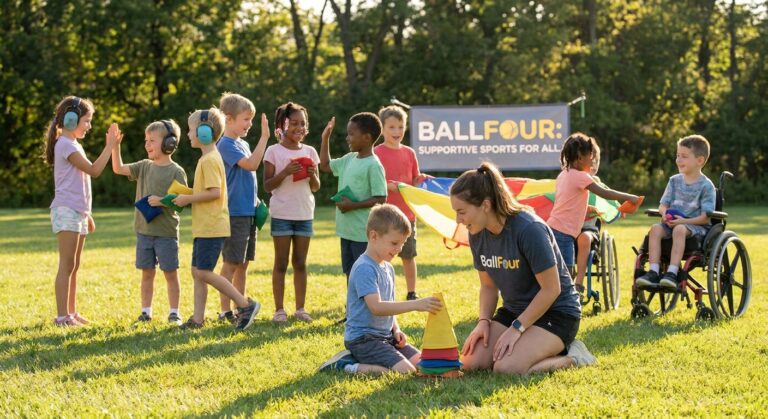
However, as children grow, the world of team sports presents a new set of opportunities. While the transition from focusing solely on individual pursuits to engaging in collaborative team environments can seem daunting, it offers profound benefits for social development, communication, and a sense of belonging. At BallFour, we believe in supporting every child through these exciting shifts, understanding that with the right guidance, team sports can unlock incredible potential for growth and connection.
This article explores the distinct advantages of both individual activities and team sports, and offers insights into how we can thoughtfully guide children, particularly those with neurodivergence, towards finding their stride in a team setting.
The Foundations Built in Individual Activities
Individual sports and activities are often a child’s first introduction to physical activity, offering a powerful avenue for personal growth. In activities like swimming, martial arts, or tennis, a child relies primarily on their own skills, discipline, and focus. As noted by Alicia Ortego, individual sports excel at building self-reliance, confidence, and refining specific skills. The weight of success and failure rests squarely on the individual’s shoulders, fostering a unique kind of resilience and self-awareness.
For children who are neurodivergent, the structured and predictable nature of individual activities can be particularly appealing. They offer a space to concentrate on a single task without the complexities of constant social interaction or the pressure of group dynamics. This focus can lead to significant breakthroughs in areas like motor skills, sensory regulation, and sustained attention, laying a strong psychological foundation for future endeavors.
Embracing the Unique Gifts of Team Sports
While individual activities cultivate personal mastery, team sports open doors to a broader spectrum of developmental benefits. Playing on a team requires more than just athletic ability; it demands active listening, cooperation, communication, and empathy. As highlighted by research from The Fessenden School, team sports provide unparalleled opportunities for community building and leadership development. Children learn to share the burden of effort and the joy of triumph, developing a sense of collective responsibility that transcends individual achievement.
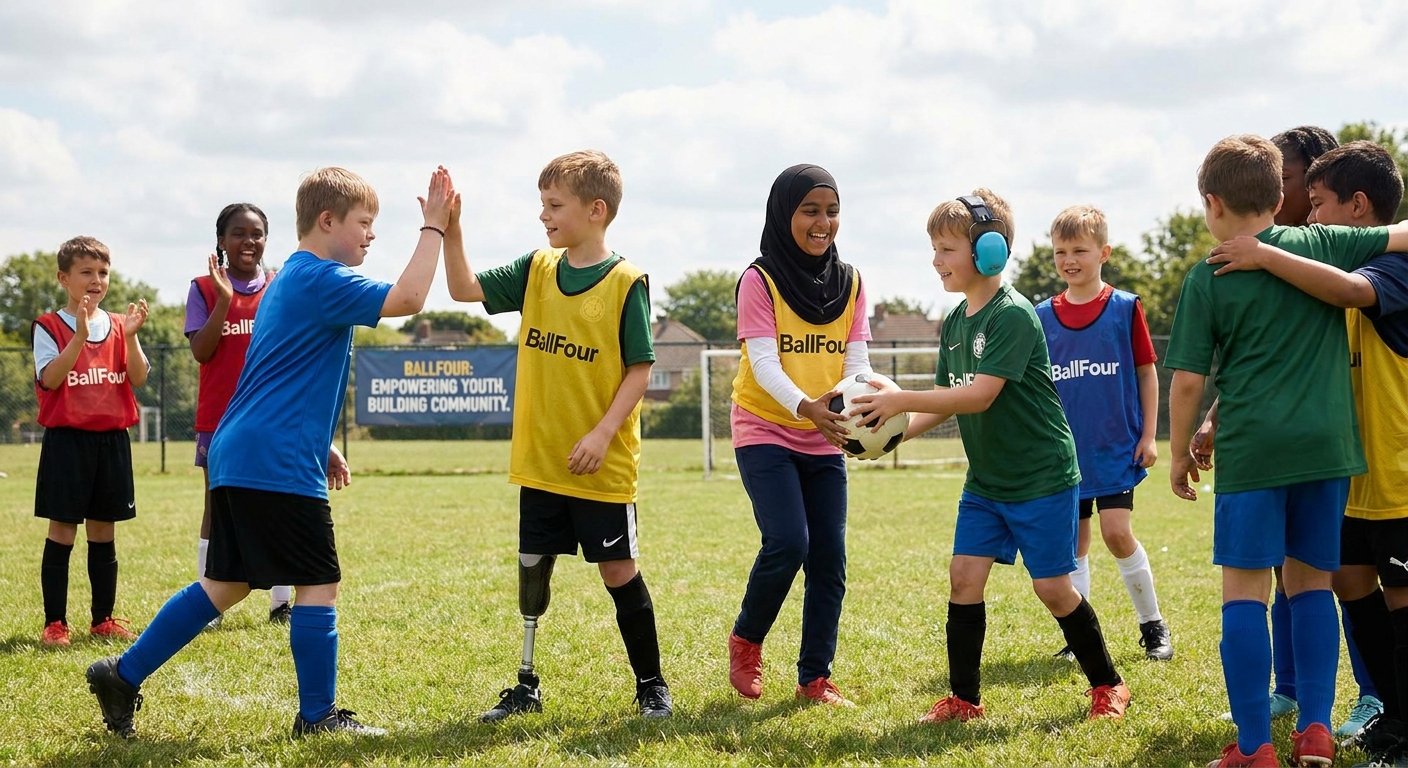
For neurodivergent children, engaging in team sports, such as soccer or basketball, can be a transformative experience. It encourages them to navigate social cues, practice flexible thinking, and contribute to a shared goal. These experiences are crucial for developing social-emotional intelligence, problem-solving skills in a dynamic environment, and understanding the power of collaboration. While the competitive aspect might initially be a concern for some, as noted by HVParent, the focus can always be shifted to participation, fun, and personal progress rather than just winning.
Navigating the Transition for Neurodivergent Children
Moving from individual activities to team sports requires thoughtful consideration, especially for children who are neurodivergent. The transition should be gradual, supportive, and tailored to each child’s unique personality and needs. As San Diego Family recommends, exploring different activities in the early years is key to finding the right fit.
Here are some considerations for a successful transition:
- Start Small: Begin with smaller group activities or sports that have fewer players on the field, allowing for a less overwhelming introduction to team dynamics.
- Focus on Fun, Not Pressure: Emphasize the enjoyment of play and the social aspects of the game over competitive outcomes. This can significantly reduce anxiety and encourage participation.
- Prepare Emotionally: Discuss what to expect, practice social scenarios, and create routines around practices and games. Understanding potential challenges and developing coping strategies can be incredibly empowering. Dr. Eric Storch discusses how athletes can cope with elevated anxiety, which is particularly relevant here.
- Find Inclusive Environments: Seek out teams and coaches who are understanding, patient, and committed to creating an inclusive environment where every child feels valued and supported. BallFour advocates for such environments that prioritize psychological well-being.
- Combine Approaches: As Alicia Ortego suggests, combining individual and team sports can be beneficial. A child might enjoy the structure of an individual sport while also dipping their toes into the social world of a team sport.
Building Confidence and Connection Through Team Play
When supported effectively, the transition to team sports can profoundly enhance a child’s confidence and foster deep connections. Learning to communicate with teammates, celebrating successes together, and navigating challenges as a unit builds a powerful sense of camaraderie and belonging. These experiences are vital for mental and emotional health, providing children with a supportive community beyond their family and school.
At BallFour, we believe that every child deserves the opportunity to experience the joy and developmental benefits of sports, regardless of their neurodevelopmental profile. Our focus is on creating pathways for children to thrive, building resilience, fostering teamwork, and instilling hope for a brighter future.
If you’re a parent seeking guidance on how to best support your child’s journey in sports, or if you’d like to learn more about our programs and how we champion inclusive youth development, please don’t hesitate to reach out. We are dedicated to empowering children and fostering positive psychological growth through the power of play. You can contact us directly at contactus@ballfour.org to connect with our team and discover more about how we create opportunities for all children.
Key Takeaways
- Individual activities build self-reliance, focus, and skill refinement, providing a strong foundation for all children, especially those who are neurodivergent.
- Team sports foster crucial social-emotional skills like collaboration, communication, and a sense of belonging, vital for comprehensive development.
- A thoughtful, gradual, and supportive transition, prioritizing fun and an inclusive environment, is key for neurodivergent children moving into team sports.