The Mental Health Benefits of Belonging to a Team
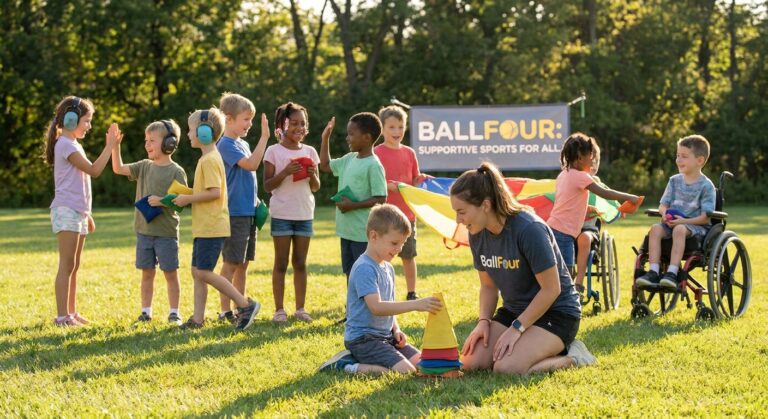
For children, especially those who are neurodivergent or on the autism spectrum, finding a place where they truly belong can be transformative. Team environments, particularly in sports, offer more than just physical activity; they create a powerful sense of community and foster crucial psychological well-being. At BallFour, we believe that every child deserves the chance to experience the profound mental health benefits that come from being part of a supportive team.
The journey of growing up can present unique challenges, and for children with neurodivergence, these challenges can sometimes be amplified, leading to feelings of isolation or difficulty in social settings. Team sports provide a structured yet dynamic environment where children can learn, grow, and connect, addressing many psychological needs. This article will explore the myriad ways team belonging positively impacts mental health, focusing on the unique needs of the children we serve.
Cultivating Connection and Social Engagement
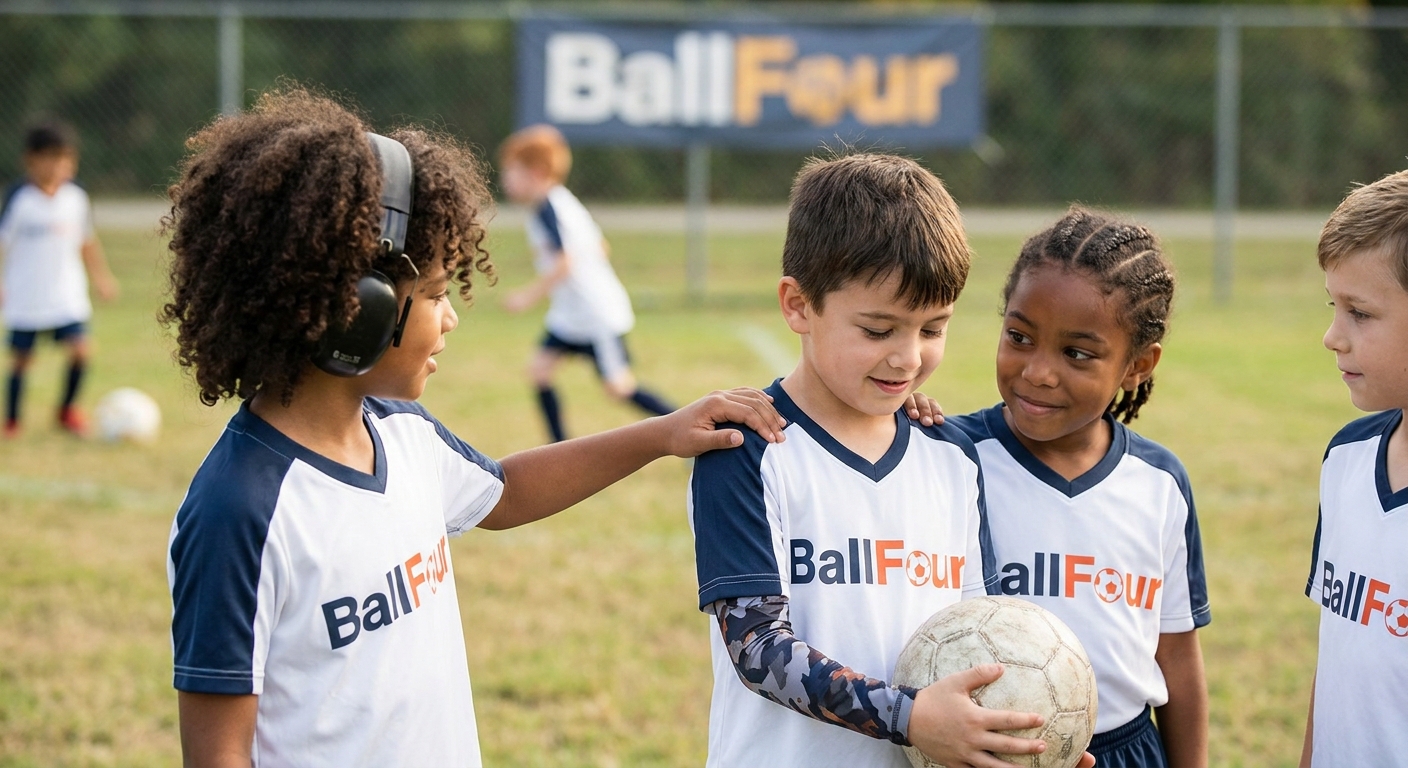
One of the most immediate benefits of joining a team is the opportunity for meaningful social connection. Studies show that engaging with a team can significantly boost social interaction, reduce feelings of isolation, and even contribute to an improved mood. For children, particularly those who might struggle with social cues or initiating friendships, a team offers a built-in social circle, providing a safe space to interact regularly.
Within a team, children learn to communicate, collaborate, and support one another, skills that extend far beyond the playing field. These interactions help them develop empathy and understanding, as they navigate different personalities and work towards shared goals. This consistent positive social engagement is vital for healthy psychological development and helps build a foundation of social confidence.
Building Trust and Psychological Safety
Trust is the bedrock of any strong relationship, and it’s especially critical within a team. When team members trust one another, they feel safe to express their thoughts, ask questions, and even admit vulnerabilities, leading to significantly improved mental health outcomes. This psychological safety allows children to be their authentic selves without fear of judgment, fostering an environment where growth can truly flourish.
For neurodivergent children, who may sometimes experience anxiety in new social situations, a team structure that emphasizes mutual trust and support can be incredibly reassuring. It creates a space where they can reveal parts of themselves, be vulnerable, and receive encouragement, which is essential for reducing loneliness and strengthening social connections. This shared experience helps build resilience and self-acceptance.
Developing Coping Mechanisms and Emotional Resilience
Team environments naturally present challenges, from navigating disagreements with teammates to experiencing setbacks in a game. These situations become invaluable opportunities for children to develop robust coping mechanisms and emotional resilience. With the support of their peers and coaches, children learn to manage stress, bounce back from disappointment, and adapt to changing circumstances.
Being part of a group provides a sounding board where children can bounce thoughts and opinions off others, helping them make better decisions and see situations from different perspectives. This collective problem-solving and shared emotional support prevent stress from becoming overwhelming. Through these experiences, children not only learn to manage their own emotions but also how to offer support to others, strengthening their emotional intelligence.
A Sense of Belonging for Every Child
Ultimately, the most profound mental health benefit of belonging to a team is the deep-seated sense of belonging itself. For many children, finding a place where they feel accepted, valued, and needed can be a powerful antidote to feelings of marginalization or difference. This sense of belonging reinforces their self-worth and provides a crucial anchor in their psychological development.
At BallFour, we are dedicated to creating inclusive team environments where every child, including those with neurodivergence and autism, can experience this invaluable sense of belonging. We believe that by providing opportunities for participation, we are not just teaching sports skills, but we are nurturing confidence, fostering friendships, and building emotionally resilient individuals prepared for life’s challenges. Our programs focus on creating an atmosphere where children can thrive psychologically, understanding that a strong mind is as important as a healthy body.
If you’re interested in learning more about how BallFour champions inclusive sports and supports the psychological well-being of children, or if you’d like to explore opportunities for your child to join a team, please don’t hesitate to reach out. We are committed to making a positive impact in the lives of youth and families in our community. You can connect with us directly via email at contactus@ballfour.org to discover how your child can benefit from the power of team belonging and experience the joy of connection.
Key Takeaways
- Team environments foster crucial social connections, reducing isolation and boosting mood for children.
- Psychological safety and trust within a team allow children to express vulnerabilities and develop emotional resilience.
- Belonging to a team helps children, especially those who are neurodivergent, build self-worth and vital coping mechanisms.