
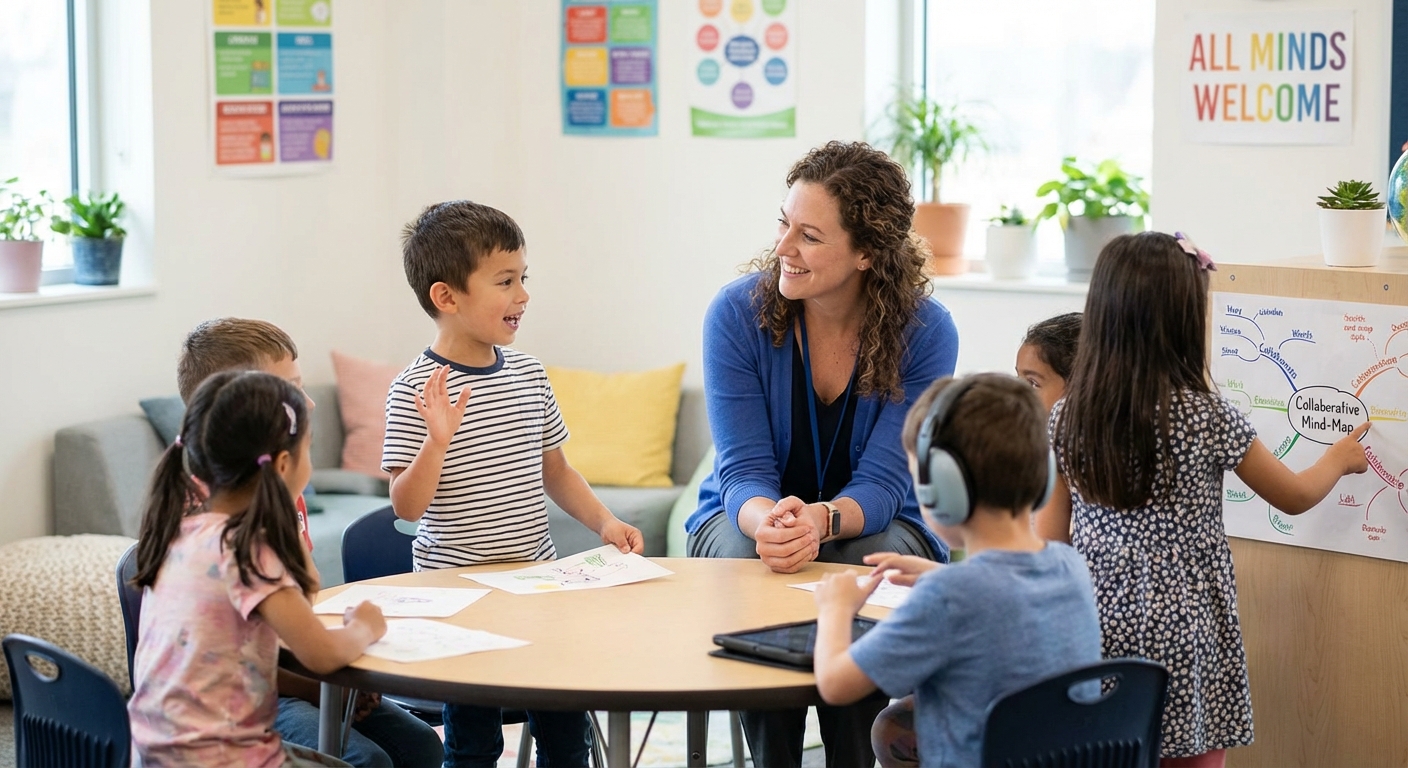
The Transformative Power of Questions in Inclusive Classrooms
In the vibrant journey of youth development, questions serve as powerful compasses, guiding learning, understanding, and connection. For teachers, mastering the art of asking the right questions – and listening deeply to the answers – is fundamental to fostering truly inclusive and supportive environments. At BallFour, we believe that every child, especially those with neurodivergence and autism, deserves an educational experience that celebrates their unique way of thinking and empowers them to thrive.
The classroom is a dynamic space where questions flow in many directions: from teacher to student, student to teacher, and even from teachers to themselves as they reflect on their practice. Each query holds the potential to unlock new insights, build resilience, and strengthen the bonds of teamwork. This article explores the various types of questions teachers encounter and pose, and how thoughtful engagement with them can create pathways to success for all children.
What Teachers Ask Students: Unlocking Understanding
The questions teachers ask students are more than just tests of knowledge; they are tools for discovery. Consider the familiar classroom routine: a teacher asks a question, hands go up, a response is given. While this can gauge immediate recall, understanding truly diverse learning styles requires a more nuanced approach. For children with neurodivergence, who may process information differently, the format and framing of questions are critical.
Research suggests that while open-ended questions can foster deep thought, they can also present challenges when evaluating a classroom full of varied responses quickly. Conversely, structured questions, such as multiple-choice, might offer a more manageable way to assess understanding for immediate feedback. However, a balanced approach is key. Teachers often adapt their questioning strategies to meet individual needs, ensuring that every child has the opportunity to demonstrate their learning in a way that feels comfortable and accessible. This thoughtful adaptation is at the heart of inclusive education, transforming challenges into opportunities for growth and self-expression.
What Teachers Ask Themselves: Cultivating Empathy and Skill
Beyond direct instruction, the most impactful questions teachers ask are often the ones they pose to themselves. “How can I better engage this student?” “Am I balancing guidance with their need for autonomy?” “How can I ensure every child feels seen and supported?” These are the inquiries that drive professional growth and foster deeply empathetic teaching practices. For new teachers, these questions can be particularly overwhelming, yet they are crucial for developing a responsive and inclusive classroom culture.
Effective teaching involves seeing each child as a unique individual on their own journey. This perspective encourages teachers to collaborate not just with students, but also with aides, school staff, and families, forming a community of support. Understanding individual learning profiles, particularly for children with autism or other neurodivergent conditions, means asking: “What specific strategies will best help this child grasp new concepts?” or “How can I adapt my lesson to tap into their strengths?” This continuous self-reflection and commitment to personalized learning are what truly make a difference in a child’s educational experience.
Answering the Call: Demonstrating a Commitment to Inclusive Education
Whether in a job interview or a discussion about classroom strategies, teachers are frequently asked about their philosophy and approach. Common questions like “What is your teaching philosophy?” or “How do you handle classroom management?” become opportunities to articulate a deep commitment to inclusivity. When addressing such questions, teachers can highlight their understanding of diverse learning needs, their dedication to fostering a supportive community, and their proactive strategies for student engagement.
For BallFour, the answers that resonate most deeply are those that reflect a teacher’s commitment to providing equitable opportunities for all children. This means expressing a readiness to adapt, to listen, and to work collaboratively to ensure every child, regardless of their neurological profile, can access and excel in their learning environment. It’s about demonstrating not just knowledge of teaching methods, but a genuine passion for guiding and uplifting young lives.
Empowering Every Child Through Thoughtful Engagement
The humble question, in all its forms, is a cornerstone of education and development. For teachers, understanding how to effectively ask and interpret questions, and how to reflect on their own practice, is vital for creating spaces where all children, especially those with neurodivergence and autism, can flourish. It is through this thoughtful engagement that we build classrooms that are not just places of learning, but incubators of hope, resilience, and belonging.
BallFour is dedicated to fostering these kinds of environments, believing that every child deserves the opportunity to participate fully and realize their potential. We champion approaches that recognize and celebrate the psychological aspects of diverse learning, ensuring children are supported not just academically, but emotionally and socially too. To learn more about our mission and how we support children and their communities, please don’t hesitate to reach out. You can contact us directly at contactus@ballfour.org or explore resources on creating supportive learning environments, such as those found on the ASCD website.
Key Takeaways
- Effective questioning is a vital tool for teachers to understand and support the diverse learning needs of all children, especially those with neurodivergence.
- Teachers continuously reflect on their practices, asking themselves questions about engagement and adaptation to create truly inclusive classroom environments.
- Demonstrating a commitment to individualized support and collaborative approaches is essential for educators aiming to empower every child.