
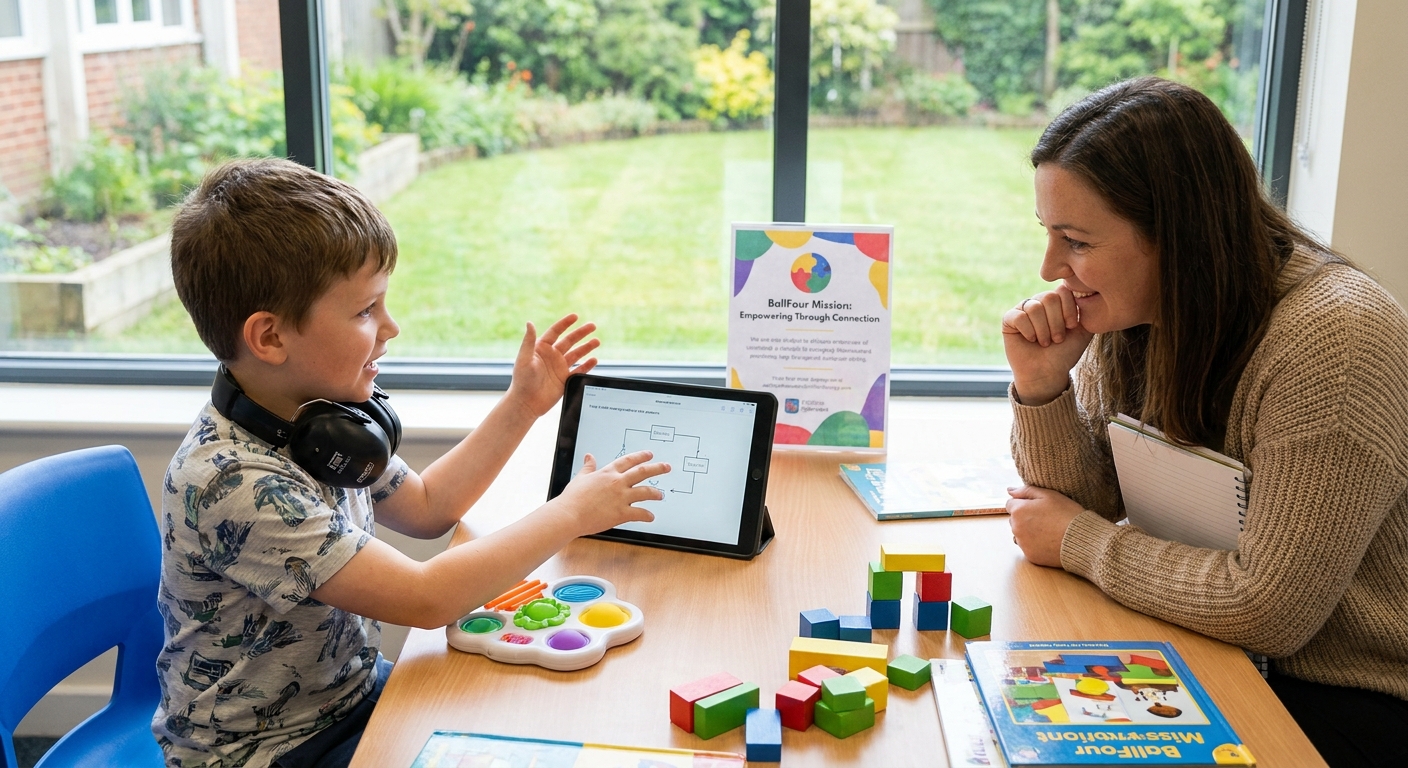
What Changes as Your Child Gets Older: Adapting Support for Neurodivergent Youth
The journey of parenting is a dynamic and ever-evolving one, filled with moments of joy, challenge, and continuous growth. As children mature, their needs, perspectives, and abilities change dramatically, requiring parents to adapt their approach and support strategies. This natural evolution becomes even more pronounced and critical when supporting neurodivergent children, whose developmental paths may unfold in unique ways.
At BallFour, we understand that providing the right kind of support means recognizing and responding to these shifts. We believe in empowering families to navigate these transitions with grace and understanding, ensuring that every child, especially those with autism or other neurodevelopmental differences, can thrive as they grow. This article explores how parental support naturally evolves and how we can best adapt to meet the changing needs of our neurodivergent children.
Navigating Developmental Milestones and Big Life Changes
Every child experiences significant developmental milestones and life transitions as they grow, from starting school to forming deeper friendships, and eventually, preparing for adulthood. For neurodivergent children, these changes can often bring a unique set of challenges and opportunities. Understanding these developmental stages and how they impact a child’s cognitive, emotional, and social world is the first step in adapting parental support. Big changes, even positive ones, can sometimes shake up a child’s world, requiring careful navigation and emotional support.
Children often experience stress during transitions because they may not fully understand what is happening or lack the communication skills to express their feelings effectively. Whether it’s a change in routine, school, or social dynamics, children with neurodevelopmental differences may require more structured preparation, clear communication, and consistent emotional support to process these shifts. Tuning into a child’s emotional and physiological needs can make all the difference in helping them not only cope but also truly thrive during these pivotal moments.
Evolving Parental Roles: From Director to Guide
As children mature, the role of a parent naturally shifts. What starts as comprehensive caregiving and decision-making gradually transforms into a partnership of guidance and collaboration. When children are young, parents are often the primary architects of their daily lives, ensuring safety, health, and development. However, as children get older, fostering independence and self-advocacy becomes paramount, especially for neurodivergent youth.
This transition means moving from a role where parents control every aspect to one where they empower their children to make choices, learn from experiences, and develop their own problem-solving skills. For parents of neurodivergent children, this shift involves carefully balancing protection with the encouragement of autonomy. It requires parents to recognize when to step back and when to step in, always with the goal of nurturing resilience and capability within their child.
Tailoring Support for Neurodivergent Children’s Psychological Well-being
BallFour is deeply committed to the psychological well-being of neurodivergent children. As these children grow, their internal experiences and emotional landscapes become more complex. They may face increasing social expectations, academic pressures, and the challenge of understanding their own identity in a neurotypical world. Adapting support means focusing on building emotional regulation skills, fostering self-awareness, and providing safe spaces for them to express their feelings without judgment.
This often involves specialized strategies, such as visual schedules, social stories, or targeted therapies, to help them navigate social cues, manage sensory sensitivities, and articulate their needs effectively. Recognizing that a growth spurt might affect a child’s coordination and mood, or that cognitive advances might create new social challenges, allows parents to anticipate needs and offer tailored support that builds confidence and strengthens mental health. BallFour emphasizes interventions that support mental and emotional resilience, helping children develop coping mechanisms and a strong sense of self.
The Power of Communication and Connection
Throughout every stage of a child’s development, clear and empathetic communication remains the cornerstone of strong family relationships. This is particularly true when supporting neurodivergent children through various transitions. Open dialogue allows parents to understand their child’s evolving needs and feelings, while also helping children to feel heard, valued, and understood. Establishing an environment where a child feels safe to communicate their fears, excitements, and challenges is vital.
As parental roles change and children gain more independence, fostering a relationship built on mutual respect and active listening becomes even more important. It ensures that even as children navigate new social landscapes and personal discoveries, they always have a secure base to return to. These strong connections provide the emotional security necessary for neurodivergent children to explore the world with confidence and develop their unique strengths.
Adapting our support as our children grow older is not just about reacting to changes; it’s about proactively fostering an environment where they can thrive, learn, and develop into resilient, confident individuals. For neurodivergent children, this adaptive support is crucial for their psychological well-being and their ability to navigate a complex world. At BallFour, we stand with families, providing resources and insights to help every child reach their full potential.
If you are a parent seeking to understand and adapt your support for your neurodivergent child, BallFour is here to help. We offer resources and community connections focused on youth development, social impact through sports, and mental wellness for children with neurodevelopmental differences. To learn more about our programs and how we empower youth, please reach out to us at contactus@ballfour.org or visit our About Us page to explore our mission and values.
Key Takeaways
- Parenting strategies must evolve as children grow, adapting to their changing developmental, emotional, and social needs.
- For neurodivergent children, tailored support, including clear communication and psychological well-being focus, is crucial during transitions and developmental shifts.
- Shifting parental roles from direct control to supportive guidance fosters independence and resilience in growing neurodivergent youth.