Building Truly Inclusive Teams for Every Child
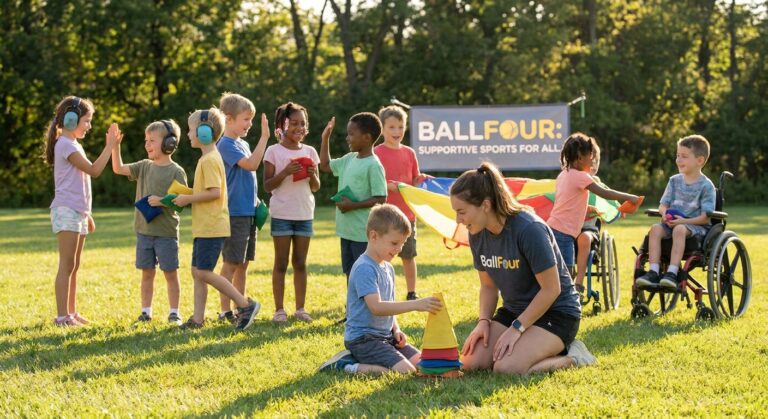
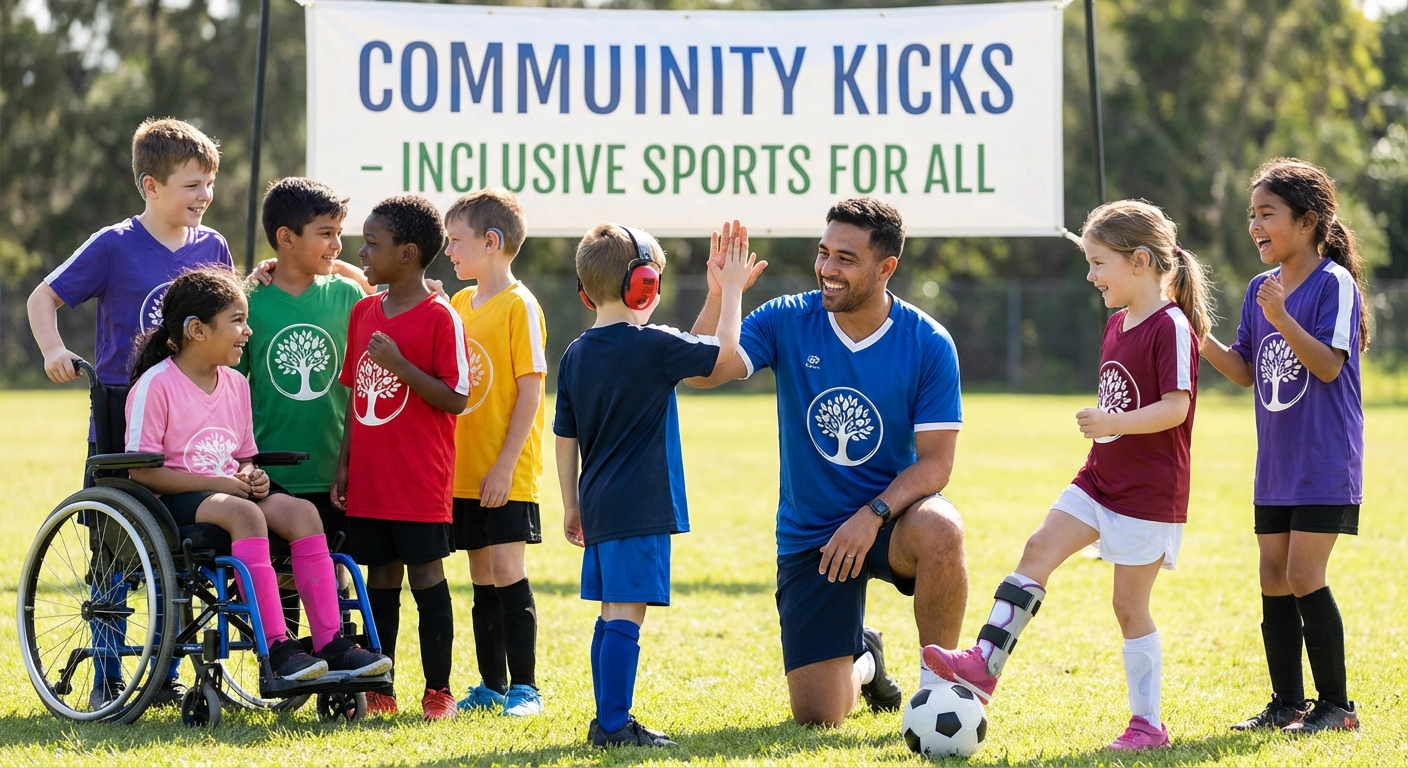
At BallFour, we believe that every child deserves the chance to experience the joy and growth that comes from being part of a team. For children, especially those who are neurodivergent, an inclusive team environment isn’t just a nice-to-have; it’s a powerful foundation for developing resilience, social skills, and a strong sense of self. It’s about creating a space where every unique strength is recognized and every voice is heard.
Building such a team goes beyond simply inviting everyone to participate. It requires a thoughtful approach to fostering a culture where every child feels truly valued, respected, and included. This article explores what it takes to cultivate these environments, drawing parallels from successful inclusive practices and adapting them for the unique needs of youth development through sports.
The Heart of Inclusion: Beyond Just Being Present
Inclusion is more than just physical presence; it’s about creating a sense of belonging where every team member feels engaged, valued, and heard. For children, particularly those with autism or other neurodivergent traits, this means understanding their individual needs, communication styles, and ways of processing information. It means ensuring they don’t just participate, but truly connect with their teammates and the activity itself.
When children feel truly included, they are more likely to thrive. This sense of belonging fosters confidence, encourages participation, and helps in the development of crucial social and emotional skills. Our coaches and program leaders are trained to observe, understand, and adapt, making sure that every child feels they are an integral part of the team, contributing their unique abilities.
Leading with Purpose and Shared Values
Just as successful organizations lead with their purpose and values to build an inclusive culture, BallFour centers its programs around core values like opportunity, inclusion, resilience, teamwork, and hope. These guiding principles provide a clear framework for coaches, volunteers, and participants alike, ensuring that every interaction supports an inclusive environment.
By articulating and living these values, we create a clear expectation of respect and mutual support. For example, emphasizing “teamwork” means not just playing together, but actively supporting each other’s strengths and challenges. This focus helps children understand the importance of empathy and collaboration, crucial for both on-field success and off-field growth.
Cultivating a Sense of Belonging and Engagement
For a team to be truly inclusive, every child must feel deeply engaged and valued. This involves creating opportunities for every child to contribute in ways that play to their strengths, while also providing gentle support in areas where they might need a little extra encouragement. The goal is to ensure that no one feels overlooked or left out.
Effective leaders in any setting understand that true inclusion means making sure every individual feels heard. In youth sports, this translates to coaches who actively listen to children, adapt activities to suit diverse learning styles, and celebrate small victories for every team member. These practices help foster a secure and supportive atmosphere where children, including those who are neurodivergent, can build confidence and social skills in a natural way (Hone HQ highlights the importance of managers ensuring every employee feels engaged, valued, and heard, a principle we adapt for youth teams).
Embracing and Celebrating Diverse Strengths
A truly inclusive team recognizes that diversity, including neurodiversity, brings a rich array of perspectives and strengths. Children with different ways of thinking and interacting can offer unique approaches to problem-solving and collaboration, enriching the entire group. This “acquired diversity”—encompassing individual life experiences beyond group status—is a powerful asset (as noted in discussions on building diverse teams).
When coaches and teammates learn to appreciate these varied contributions, the team becomes more adaptable, creative, and resilient. For example, a child with autism might bring an exceptional focus or a unique perspective to strategy, while another might excel in a supportive role that often goes unnoticed. Celebrating these different strengths helps every child understand their own value and appreciate the contributions of others, fostering a more compassionate and innovative team dynamic (inclusive teams foster creative problem-solving and higher-quality outputs).
Conclusion: The Transformative Power of Inclusion
Building a truly inclusive team in youth sports is a deliberate and ongoing effort, but one with immense rewards. It’s about fostering environments where every child, regardless of their neurodevelopmental profile, feels seen, heard, and valued. By leading with clear values, actively engaging every participant, and celebrating diverse strengths, BallFour creates spaces where children not only learn sports skills but also develop vital life skills like empathy, teamwork, and self-advocacy.
The impact of such inclusion extends far beyond the playing field. It builds confidence, nurtures social connections, and instills a lifelong love for participation. Through inclusive sports, we empower children to realize their full potential, proving that when everyone belongs, everyone thrives.
If you’re interested in learning more about BallFour’s approach to inclusive youth sports, or if you have a child who would benefit from an environment that celebrates their unique strengths, we encourage you to reach out. Our mission is to provide opportunities for every child to experience the magic of teamwork and personal growth. You can connect with us directly at contactus@ballfour.org to discover how we champion opportunity, inclusion, resilience, teamwork, and hope in our communities.
Key Takeaways
- True inclusion in youth sports ensures every child, especially those who are neurodivergent, feels valued, respected, and heard, going beyond mere physical presence.
- Leading with clear values like opportunity, inclusion, and teamwork creates a foundational culture where diverse strengths are recognized and celebrated.
- Active engagement, adapting to individual needs, and appreciating unique contributions are crucial for fostering a sense of belonging and building confidence in all children.