
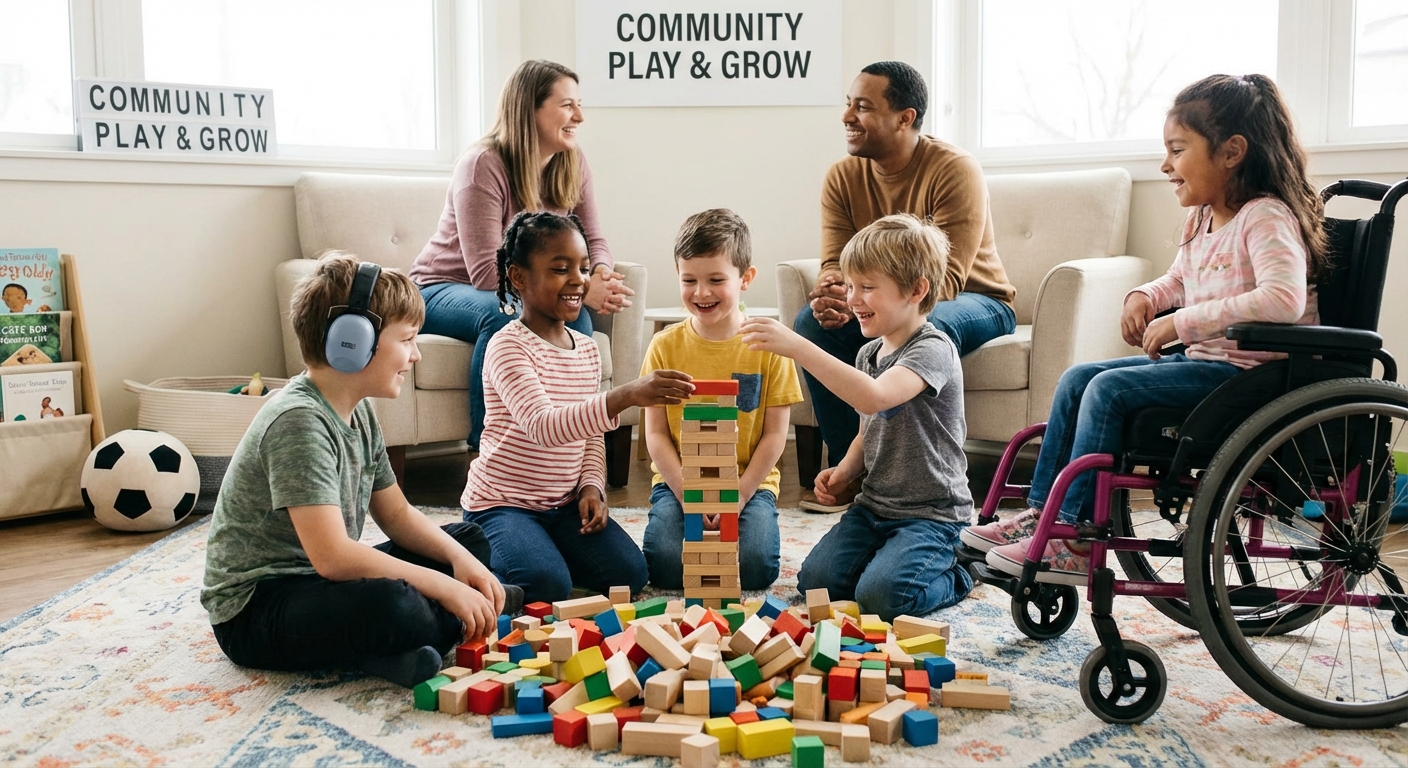
When Other Parents Don’t Understand: Navigating Social Situations with Neurodivergent Children
Parenting is a journey filled with unique joys and challenges, and for families raising neurodivergent children, these challenges can sometimes feel magnified in social settings. When a child’s behavior deviates from what is typically expected, it can lead to misunderstandings, awkward moments, and even judgment from other parents who may not grasp the nuances of neurodiversity.
At BallFour, we understand that these moments are not just about behavior; they often reflect the unique psychological and developmental needs of children with autism and other neurodivergences. Our mission is to foster environments where every child feels seen, understood, and supported. This article aims to equip parents with strategies for navigating these social situations, advocating for their children, and building bridges of understanding with other families.
It’s about creating a community where empathy and knowledge pave the way for true inclusion, ensuring our children can thrive in every interaction.
Understanding the Spectrum of Experience
Children with neurodivergent conditions, such as autism, often experience the world differently. What might appear as an “outburst” or “unusual behavior” to an outsider is frequently a symptom, a communication attempt, or a coping mechanism related to their unique psychological makeup. For example, sensory sensitivities can lead to distress in noisy environments, or a child might struggle with social cues that neurotypical peers easily grasp. As one resource notes, it’s not always clear to others that a parent is simply trying to be supportive and understand their child’s needs. These behaviors are not always about defiance; they are often deeply connected to their disability or special health care needs.
This difference in perception can create a chasm between families, leaving parents of neurodivergent children feeling isolated or misunderstood. Bridging this gap begins with recognizing that most people want to understand, even if they lack the information or tools to do so effectively.
Communicating with Compassion and Clarity
Having “hard conversations” with other parents can be daunting, especially when advocating for your child’s specific needs. The key is to approach these discussions with both compassion and clarity, focusing on education rather than confrontation. Begin by finding a quiet moment to talk, perhaps starting with something positive about their child or acknowledging their parenting efforts. This sets a collaborative tone.
When explaining your child’s needs, be specific. For instance, you might say, “I know not all parents have to think about these things, but they’re really important for [Child’s Name] and will make such a difference in her experience.” You can gently explain that certain rules or expectations might not apply in the same way, or that your child processes information differently. For example, if a child struggles with social interactions, explaining, “Sometimes [Child’s Name] has a hard time with making friends, and she’s really struggling this year,” can invite empathy and understanding from other parents, helping them to see the situation from a different perspective and potentially offer support rather than judgment.
Advocating for Your Child’s Unique Needs
Every family’s parenting style is unique, and this can become particularly apparent when navigating differences in how children are managed or disciplined. For parents of neurodivergent children, this can manifest in moments where other parents might impose rules or expectations that are not appropriate or beneficial for your child’s psychological and emotional well-being. It’s important to remember that you are the expert on your child.
Whether it’s explaining why your child might react differently to certain situations or setting boundaries around activities, authenticity is crucial. While it might be tempting to offer “white lies” to avoid awkwardness, modeling honesty helps your child understand their own unique needs and empowers them to advocate for themselves as they grow. Your consistent advocacy helps create a predictable and supportive environment for your child, even if it means gently explaining differences to other adults. For example, if your child thrives barefoot in a safe yard while another child must wear shoes, explaining that your child’s sensory needs or comfort sometimes dictate different choices can foster understanding.
Building a Supportive Community
Feeling ostracized or misunderstood by other parents is a painful experience that many families of neurodivergent children encounter. It’s easy for others to “move on” or misunderstand situations they know little about. This isolation can be detrimental to both parents and children.
Finding and cultivating a supportive community is vital. Connect with other parents who share similar experiences, whether through local support groups, online forums, or community organizations dedicated to neurodiversity. These connections provide a safe space for sharing strategies, validating feelings, and celebrating triumphs. Such communities remind us that we are not alone and that there are many people who not only understand but are eager to offer support and solidarity.
At BallFour, we believe in the power of community and the transformative impact of understanding and acceptance. We strive to create inclusive spaces where children with neurodivergence can develop resilience, learn teamwork, and experience the joy of participation. If you’re looking for resources, support, or simply a compassionate ear, we invite you to connect with us. You can reach out directly via email at contactus@ballfour.org to learn more about our programs and how we foster an environment of opportunity and hope for children and families within the neurodivergent community.
Key Takeaways
- Approach social misunderstandings with other parents through compassionate and clear communication, focusing on your child’s unique neurodivergent needs.
- Act as a consistent advocate for your child’s psychological and emotional well-being, setting boundaries and explaining differences authentically.
- Actively seek and build supportive communities with other families who understand the nuances of raising neurodivergent children.