When Your Child Sees Themselves as Different
Every child embarks on a unique journey of self-discovery, but for many children, particularly those who are neurodivergent or on the autism spectrum, this journey can include a profound awareness of being “different” from their peers. This realization isn’t always negative, but it can present unique emotional and psychological challenges.
Children often perceive their own realities with incredible clarity. They don’t need to be explicitly told they are different to understand it; they experience the world and social interactions in ways that may not always align with the majority. Recognizing and validating this perception is the first step toward fostering self-acceptance and resilience.
At BallFour, we understand the importance of creating supportive environments where every child feels seen, valued, and capable. This article explores how parents and communities can help children navigate their sense of difference, transforming potential vulnerabilities into sources of strength and confidence.
Understanding and Validating Your Child’s Reality
When a child expresses feelings of being different, it’s crucial for parents to approach their perspective with empathy and validation. What your child tells you is their reality, and attempting to impose your own reality or dismiss their feelings can be counterproductive. Insisting that they aren’t different, or pushing your view over theirs, can inadvertently invalidate their lived experience and create a disconnect.
Instead, focus on active listening and open communication. Creating a safe space where children feel heard and understood empowers them to articulate their thoughts and emotions. Acknowledging their feelings helps build trust and demonstrates that their unique perceptions are valued, forming a strong foundation for their emotional well-being.
Navigating External Reactions and Perceptions
Children not only perceive their own differences but also keenly observe how others react to them. Navigating these external reactions, whether from peers, family, or strangers, can be challenging. Parents play a vital role in helping their children understand these interactions and in modeling positive responses.
Sometimes, people react out of curiosity or a lack of understanding. As parents, you can guide your child through these moments by preparing them for potential reactions and teaching them coping strategies. Your calm and confident responses can serve as a powerful model, helping your child develop a positive outlook and self-assurance in the face of varying social dynamics. You can find more guidance on managing external reactions in resources like those from Changing Faces.
Addressing Negative Thinking Patterns
A child’s sense of being different can sometimes lead to negative thinking patterns, often referred to as cognitive distortions. These are unrealistic, often rigid, ways of thinking that can impact self-esteem and emotional health. Examples include “all-or-nothing” thinking (e.g., “I’m either perfect or a failure”), mind-reading (e.g., “They definitely think I’m weird”), or predicting negative futures (e.g., “I’ll never make friends”).
Helping children recognize these patterns is a powerful tool for fostering more positive self-talk. Parents can discuss these distortions with their children, helping them to challenge unhelpful thoughts and reframe situations. For persistent patterns or intense emotional responses, seeking support from a mental health professional, as recommended by the Child Mind Institute, can provide crucial tools and strategies for both children and families.
The Power of Positive Modeling and Environment
Children are keen observers, learning and imitating behaviors by watching and listening to those around them. This principle, often called “monkey see, monkey do,” highlights the profound impact of positive modeling. When children witness constructive behaviors, resilience, and positive attitudes, they are more likely to adopt these traits themselves.
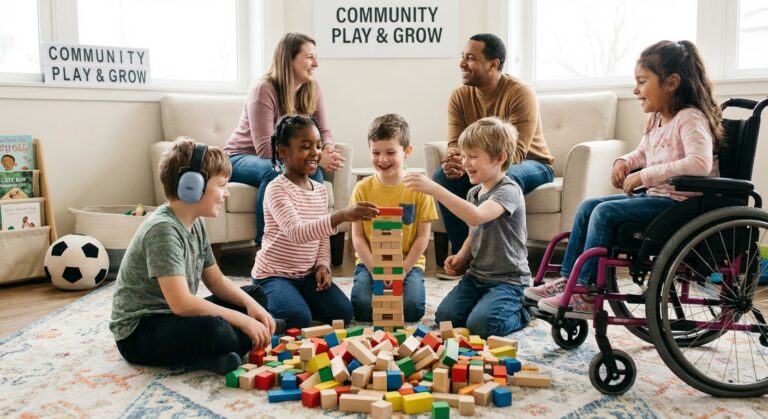
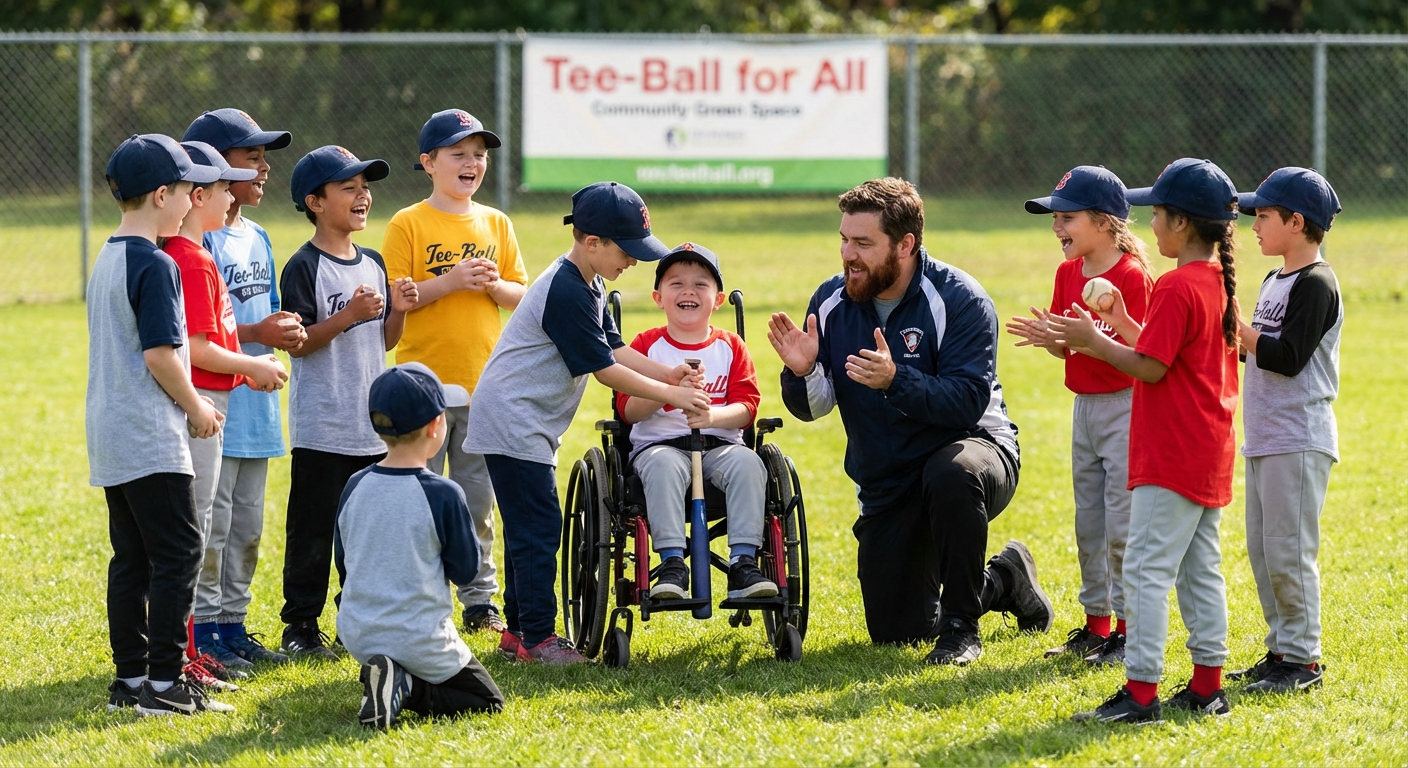
It is essential for parents to be intentional about their child’s surroundings, ensuring they are exposed to positive role models and supportive environments. This includes choosing activities and communities where positive behaviors are reinforced and where differences are embraced. BallFour programs are designed with this in mind, offering a space where children can observe and experience positive interactions and teamwork, fostering confidence and a sense of belonging. Michigan State University Extension offers insights into how to ensure children witness positive modeling.
Affirming Capability, Support, and Understanding
Ultimately, a child’s self-perception is shaped less by simply knowing they are different, and more by how they are affirmed and supported. Children need to be consistently told and shown that they are capable, understood, and supported. This goes beyond acknowledging their differences; it means celebrating their unique strengths, abilities, and contributions.
Focus on what your child can do, their growth, and their individual triumphs. Create opportunities for them to excel, learn, and connect with others in meaningful ways. At BallFour, our sports-based programs are specifically tailored to provide such opportunities, focusing on skill development, teamwork, and psychological well-being. We believe that by fostering an environment of encouragement and acceptance, we empower neurodivergent children to thrive, build confidence, and realize their full potential, as highlighted in discussions around ADHD parenting forums.
Conclusion
When a child recognizes their unique place in the world, it’s a profound moment that calls for gentle guidance, unwavering support, and an environment rich in understanding. By validating their reality, modeling positive responses, addressing negative thought patterns, and affirming their capabilities, we can help neurodivergent children embrace their authentic selves with confidence and joy. Every child deserves to feel capable, supported, and understood, and by working together, we can cultivate communities where every difference is a strength.
BallFour is dedicated to creating these transformative opportunities for children with neurodivergence and autism, focusing on psychological well-being through sports. If you’re a parent seeking support, resources, or want to learn more about our programs, we invite you to reach out. You can connect with us directly via email at contactus@ballfour.org or visit our website to discover how we empower children through opportunity, inclusion, and teamwork.
Key Takeaways
- Validate your child’s perception of their reality rather than dismissing their feelings of being different.
- Model positive reactions to external perceptions and help your child identify and challenge negative thinking patterns.
- Actively create environments that affirm your child’s capabilities and provide consistent support and understanding.