Communication Beyond Words: Supporting a Child Who Speaks Differently
For many children, spoken words are the primary gateway to expressing their needs, sharing their thoughts, and connecting with the world around them. However, for some children, particularly those with neurodivergence like autism, communication unfolds in myriad beautiful and unique ways that extend far beyond speech. This journey can present unique challenges and profound opportunities for families.
Understanding and embracing these diverse communication styles is crucial for fostering a child’s development, building strong relationships, and ensuring their voices are heard and valued. It’s a testament to the fact that intelligence and capability are not defined by verbal fluency, but by the ability to connect and express.
This article explores the landscape of communication beyond words, offering insights and strategies for supporting children who speak differently. We’ll delve into various expressive methods and highlight how families and communities can create environments where every child thrives.
Beyond Spoken Words: Redefining Communication
When we think of communication, our minds often jump to spoken language. Yet, human interaction is rich with nonverbal cues, gestures, and expressions. For children who are nonverbal or minimally-verbal, particularly those on the autism spectrum, these alternative methods become their primary means of conveying meaning.
It’s important to remember that a child who doesn’t speak in functional words or phrases, or uses words without consistent conversational meaning, is not less intelligent or less capable. In fact, minimally-verbal or nonverbal children often understand far more language than they can express, as highlighted by Children’s Specialized ABA. This understanding reshapes our approach, moving from expecting speech to celebrating all forms of expression.
Communication encompasses a wide spectrum of behaviors: pointing, making eye contact, using facial expressions, employing body language, and even certain behaviors that signal discomfort or desire. Recognizing these diverse signals is the first step toward truly connecting with a child who communicates differently. Learning to interpret these cues allows parents and caregivers to respond effectively and foster a sense of being understood.
Creating a Communicative Environment
Supporting a child who speaks differently begins with creating an environment that encourages and facilitates all forms of communication. This involves patience, observation, and a willingness to adapt our own interactive styles. Simple adjustments can make a profound difference in a child’s ability to express themselves and reduce potential frustration.
One effective strategy is to simplify language. Breaking down complex sentences and instructions into shorter, more manageable phrases can prevent children from feeling overwhelmed. Coupled with this, visual aids like picture schedules, storyboards, or even basic sign language can significantly enhance understanding and provide a tangible way for a child to express their needs and choices. Utilizing visuals helps bridge the gap between abstract thoughts and concrete representation.
Encouraging purposeful communication in everyday moments is also key. For instance, placing desired items slightly out of a child’s immediate reach can prompt them to initiate interaction, whether by pointing, gesturing, or using a visual cue to indicate what they want. These small, consistent opportunities build confidence and reinforce the idea that their communication efforts lead to desired outcomes, helping them develop a greater sense of agency.
Empowering Voices Through Technology and Tools
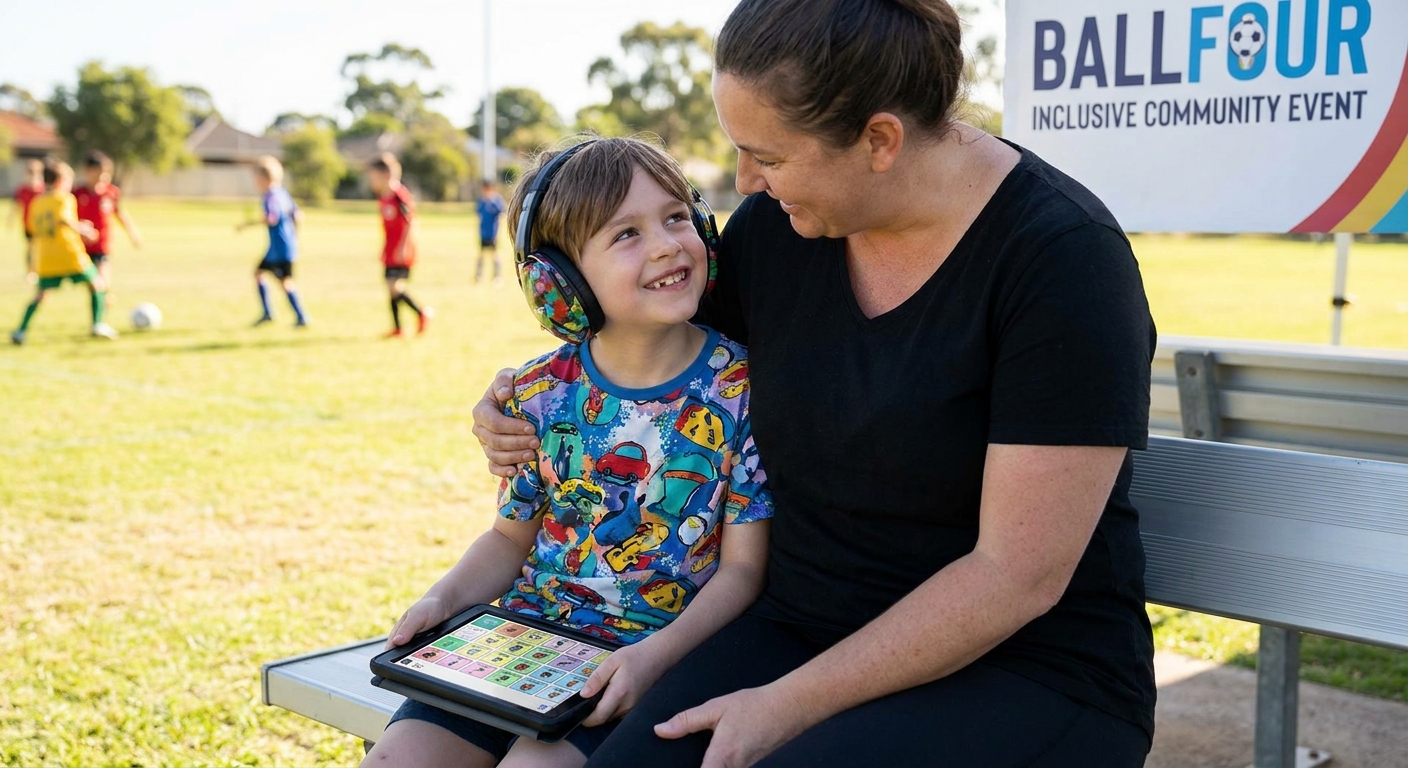
In our modern world, a range of innovative tools known as Augmentative and Alternative Communication (AAC) systems offer incredible avenues for children with verbal communication difficulties. AAC encompasses a wide spectrum of methods, from simple picture boards to sophisticated electronic devices, all designed to help children connect with their families, siblings, and friends.
Low-tech AAC options can include communication boards with pictures or symbols that a child can point to, allowing them to indicate wants, feelings, or responses. Higher-tech solutions involve devices like tablets or specialized computers equipped with voice output software, where a child can select images or type words that the device then “speaks” aloud. These tools are transformative, providing a consistent and reliable means of expression when spoken words are not readily available.
Professional guidance is invaluable in navigating the world of AAC. Speech-language pathologists play a critical role in assessing a child’s unique needs, recommending appropriate AAC systems, and teaching both the child and their family how to effectively use these tools. Engaging with these professionals can help children develop the language skills that form the foundation for academic and social success, empowering them to participate more fully in their daily lives and build meaningful connections, as emphasized by resources on AAC for kids from HealthyChildren.org.
BallFour’s Commitment to Every Child’s Journey
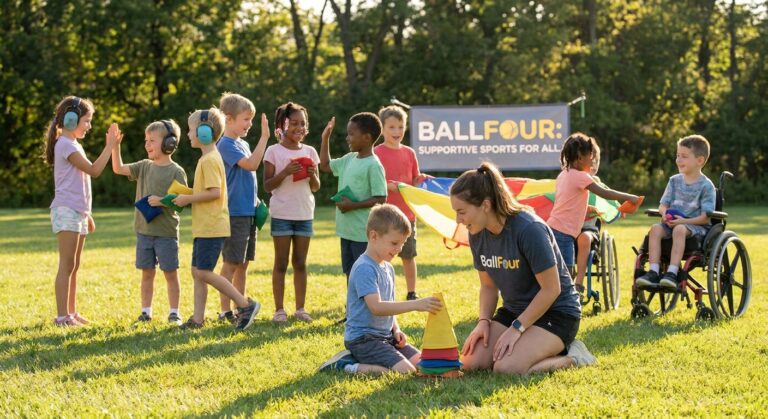
At BallFour, we believe in the profound potential within every child, especially those with neurodivergence and autism. Our mission is centered on creating opportunities for growth, inclusion, and resilience, recognizing that communication is a cornerstone of psychological well-being and social development. While we focus on sports-based social impact, the principles of teamwork, self-expression, and community extend to every aspect of a child’s life, including how they communicate.
We understand that engagement in structured, supportive activities can foster communication skills indirectly. The joy of participation, the camaraderie of a team, and the physical expression of play can all contribute to a child’s confidence and their ability to interact with others, even without relying solely on verbal exchanges. Our programs are designed to be inclusive, adapting to diverse needs and celebrating every child’s unique way of contributing and connecting.
BallFour is dedicated to supporting children in finding their voices, whatever form they may take. We champion the idea that every child deserves the chance to express themselves, be understood, and feel like an integral part of their community. By focusing on psychological development and providing a nurturing environment, we help children build the foundation for a life filled with connection and possibility.
Supporting a child who speaks differently is a journey of understanding, patience, and unwavering belief in their potential. By embracing diverse communication methods, exploring empowering tools like AAC, and fostering an inclusive environment, we can ensure that every child’s voice is heard and valued. It’s about recognizing that communication is a fundamental human need, and there are countless beautiful ways for it to blossom.
To learn more about how BallFour champions opportunities for children with neurodivergence and supports their unique development journeys, or to connect with our team and explore resources for fostering communication in children, please reach out to us at contactus@ballfour.org. For additional information on Augmentative and Alternative Communication (AAC) and how it can benefit children, you can also explore valuable resources from the American Academy of Pediatrics.
Key Takeaways
- Communication extends far beyond spoken words, especially for children with neurodivergence who may be nonverbal or minimally-verbal.
- Creating a supportive environment with simplified language, visual aids, and purposeful interactions is crucial for fostering a child’s ability to express themselves.
- Augmentative and Alternative Communication (AAC) systems, ranging from picture boards to high-tech devices, provide powerful tools to empower children’s voices and promote connection.