
Talking to Your Teen About Their Neurodevelopmental Differences
Adolescence is a time of immense growth and self-discovery, a journey made even more unique for teenagers who navigate the world with neurodevelopmental differences. As parents and caregivers, fostering open, understanding conversations is crucial in helping them embrace their authentic selves and thrive. At BallFour, we believe in creating environments where every child, especially those who are neurodivergent, feels seen, valued, and empowered.
This article explores how to approach these important conversations with warmth and insight, focusing on strengths, building resilience, and ensuring your teenager knows they are fully supported. We’ll delve into effective communication strategies that foster understanding and acceptance within your family and beyond.
Understanding Neurodiversity: A Strength-Based View
The concept of neurodiversity celebrates the idea that there is no single “correct” way for the brain to work. Instead, it recognizes a wide range of natural variations in how people perceive, think, and interact with the world. Conditions such as ADHD, autism, and various learning differences are all part of this rich spectrum of human neurological variation, as highlighted by ChildMind.org.
For children and teens, this means acknowledging their unique strengths and how their brain processes information in distinct ways. Many young people are aware from an early age that they think or function differently, often developing self-awareness long before a formal diagnosis. Approaching these differences from a strength-based perspective helps to build confidence and self-esteem, showing them that their unique way of being is a gift.
Creating a Safe Space for Open Conversation
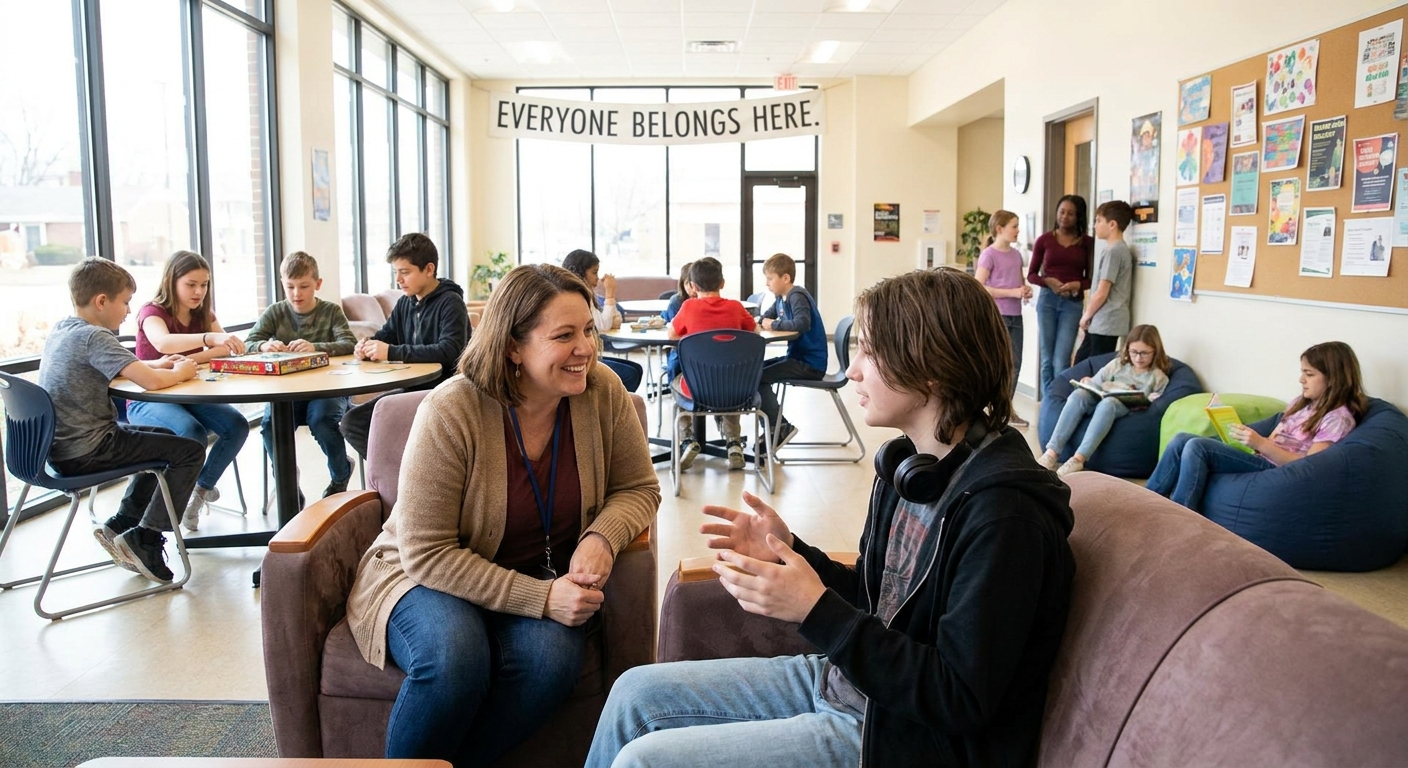
Initiating conversations about neurodevelopmental differences with your teenager requires an approach rooted in empathy and non-judgment. It’s essential to create an atmosphere where they feel comfortable sharing their thoughts and feelings without fear of criticism. When your child approaches you, responding with openness and empathy is key.
A helpful starting point might be, “I’m so happy that you’re talking to me about this,” which validates their courage and encourages further dialogue. The NHS also suggests using open-ended questions like “How are you?” or “How has your day been?” to encourage deeper sharing, rather than confrontational questions that might lead to dishonest answers. Show them that you respect their intelligence and are genuinely curious about their experiences.
Navigating Identity and Resources Together
As teenagers grow, their understanding and identification with their neurodevelopmental differences may evolve. It’s crucial to empower them by asking about their preferences for how they identify and never making assumptions. This respect for their self-determination helps them own their narrative and fosters a sense of agency.
Understanding how their brain functions is not just about identifying challenges, but primarily about unlocking resources and strategies that can help them thrive. An evaluation can be a vital step in this journey, providing insights and opening doors to tailored support, as noted by Children’s Hospital Colorado. While an evaluation might not always lead to a specific diagnosis, it serves as a starting point for providing solutions and developing personalized support systems.
Fostering Resilience and Empowerment
These conversations are powerful tools for fostering resilience. By openly discussing their neurodevelopmental differences, you help your teenager understand themselves better, build coping strategies, and advocate for their own needs. This process teaches them that differences are not deficits, but simply different ways of processing the world, leading to unique perspectives and strengths.
Empowering neurodivergent children to understand their own minds is at the core of BallFour’s mission. We believe that by nurturing their psychological well-being and confidence, we equip them with the mental fortitude and team spirit necessary to engage fully in life’s opportunities, including sports-based activities. This holistic support helps them build character, develop social skills, and embrace their potential within a supportive community.
Conclusion
Talking to your teen about their neurodevelopmental differences is an ongoing journey of love, patience, and understanding. By embracing neurodiversity, fostering open communication, and focusing on their unique strengths, you empower them to navigate adolescence with confidence and a strong sense of self. BallFour is dedicated to supporting these crucial conversations, ensuring that every child, especially those with autism and other neurodevelopmental differences, has the opportunity to thrive psychologically and participate fully in their communities.
If you have questions or want to learn more about how BallFour supports children with neurodevelopmental differences, please reach out to us. We are here to provide resources and connect you with a community dedicated to opportunity, inclusion, and hope for young people. You can contact us directly at contactus@ballfour.org to discover how we champion the well-being and development of every child.
Key Takeaways
- Embrace neurodiversity as a natural variation in brain function, celebrating individual strengths.
- Create a non-judgmental and empathetic environment, using open-ended questions to encourage your teen to share their feelings.
- Empower your teen by respecting their identity, seeking resources together, and focusing on solutions for their unique needs.