Taking Care of You: Realistic Self-Care for Young Minds
In our busy world, the idea of “self-care” can sometimes feel like another task on an already long to-do list. For children and young people, especially those navigating the unique landscapes of neurodivergence and daily developmental challenges, understanding and practicing self-care is not a luxury, but a fundamental necessity. It’s about nurturing their inner world so they can engage with the world around them more fully and with greater resilience.
Self-care isn’t about grand gestures or expensive treats; it’s about the small, consistent actions that positively impact mental, emotional, and physical well-being. It looks different for everyone, and for young people, it means discovering what helps them feel grounded, calm, and understood.
This article will explore practical, achievable self-care strategies tailored for children, focusing on how these simple habits can empower them to navigate stress, process emotions, and build a strong foundation for lifelong well-being.
Understanding Self-Care for Growing Minds
At its heart, self-care means checking in with oneself and responding in ways that support overall health. For children, particularly those with conditions like autism, this might involve learning to identify feelings and finding sensory-friendly or calming activities that help regulate their emotions. It’s about empowering them to know what they need and to advocate for it, even in small ways.
Research consistently shows that engaging in self-care practices helps individuals be kinder to themselves, restores energy, and provides both short-term relief and long-term benefits. It’s not selfish; it is a vital practice that helps young people cope with stress, anxiety, and the many emotions that come with growing up. By developing these skills early, children learn invaluable tools for mental and emotional resilience.
Building a Foundation: Physical Well-being
Physical self-care is often the most straightforward entry point for young people, forming a critical base for psychological health. Simple, repeatable habits can make a significant difference. Ensuring adequate sleep is paramount; setting a realistic bedtime that allows for 7 to 9 hours of rest can greatly impact a child’s mood and ability to cope with daily stressors. You can learn more about building a practical self-care routine that includes healthy sleep habits.
Nutrition and hydration also play key roles. Encouraging children to make half their plate fruits and vegetables and to drink plenty of water each day supports not just physical health, but also mental clarity and emotional stability. Furthermore, engaging in regular physical activity, even just 30 minutes five days a week, can relieve stress and boost mood, turning physical movement into a powerful self-care tool. Activities like stretching, dancing to a favorite song, or simply playing outdoors can be both fun and restorative.
Nurturing Emotional and Mental Health
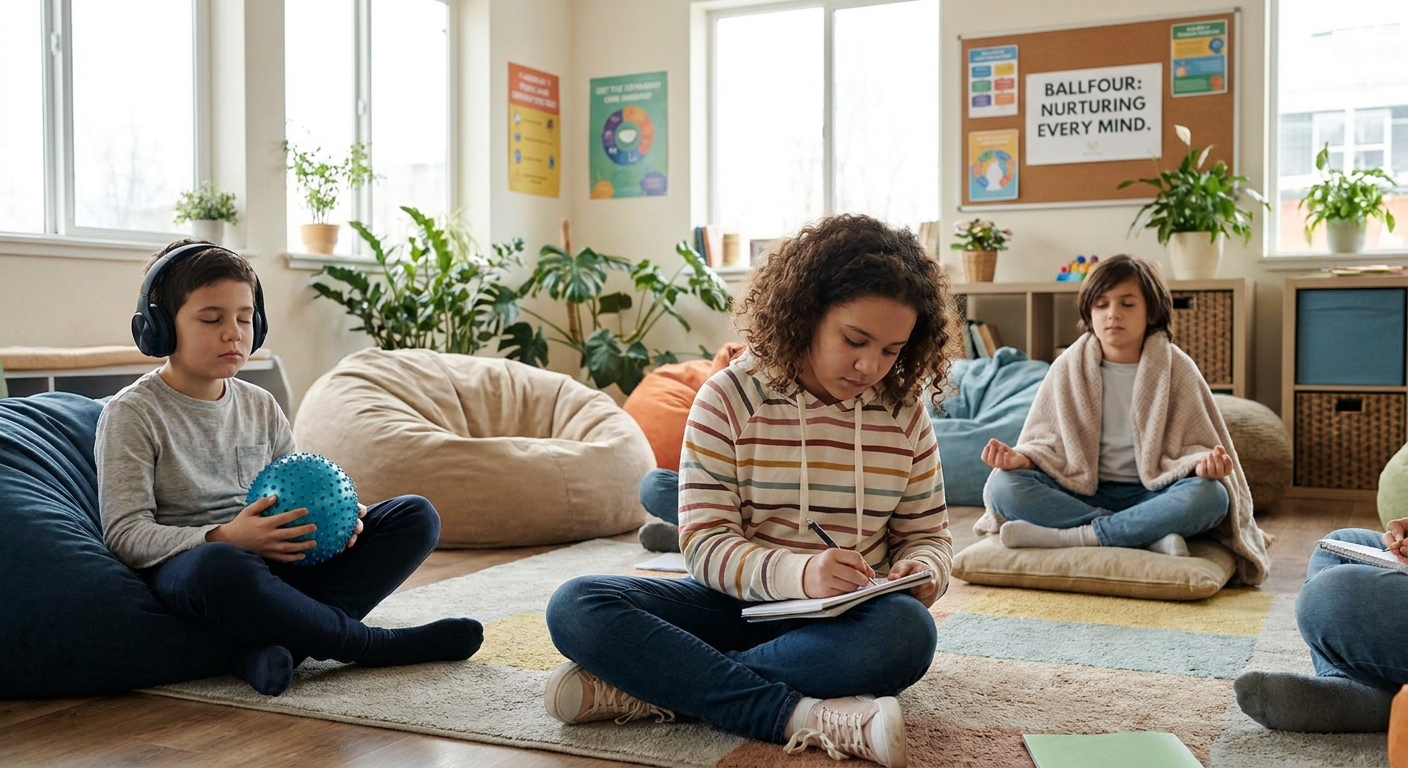
Emotional self-care involves helping children process and express their feelings in healthy ways. One powerful tool is journaling, whether it’s a gratitude journal to focus on positives or a journal to process complex emotions. This practice can help children understand what they are feeling better, leading to reduced stress.
Mindfulness practices, such as pausing for a few deep breaths, can be incredibly grounding. Teaching children simple breathing exercises empowers them to calm their minds when things feel overwhelming. It’s also important to monitor technology use and encourage digital detoxes, allowing minds to rest from constant stimulation. Learning to ask for help when needed is another vital emotional self-care skill, fostering a sense of support rather than isolation.
The Power of Connection and Engagement
Social and intellectual self-care are about fostering connections and stimulating the mind in positive ways. Cultivating and maintaining healthy relationships is crucial for children’s emotional well-being. Spending time talking to friends and family, cooking together, or even writing a letter to someone they appreciate, strengthens bonds and provides a sense of belonging.
Engaging the mind through learning and challenge is also a form of self-care. This doesn’t always mean formal education; it could be pursuing hobbies, reading a captivating book, or finding ways to be involved in their community. These activities provide a sense of purpose and can broaden a child’s perspective, enhancing their overall psychological health and development.
Bringing Self-Care into Daily Life
Self-care doesn’t have to be an elaborate undertaking. It’s about identifying small, realistic, and repeatable practices that fit into a child’s day. It could be listening to music, taking a short nap, or spending time in nature. The key is that these activities truly support their well-being without adding stress, helping them feel more grounded and capable.
By empowering children with these tools, we teach them how to navigate challenges with greater resilience and compassion for themselves. These practices are especially vital for neurodivergent children, who may benefit from structured, personalized self-care routines that address their unique sensory, emotional, and social needs.
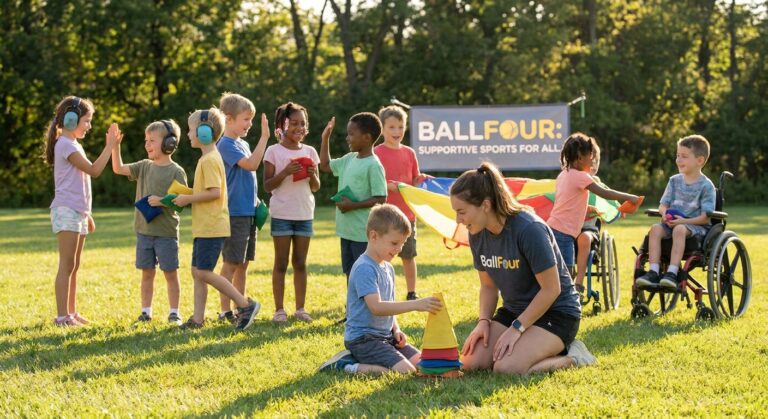
At BallFour, we believe that every child deserves the opportunity to thrive, and understanding self-care is a big part of that journey. We champion programs that support the holistic development of children, helping them build confidence, resilience, and a strong sense of self. To learn more about our initiatives and how we empower young people, please connect with us. You can reach us directly at contactus@ballfour.org or visit our website to explore our youth development programs.
Key Takeaways
- Self-care is an essential, not selfish, practice for children that supports overall mental, emotional, and physical well-being.
- Realistic self-care involves small, consistent actions like adequate sleep, healthy eating, mindful movement, and emotional processing tailored to individual needs.
- BallFour is dedicated to fostering environments where all children, especially those with neurodivergence, can develop vital self-care skills for lifelong resilience and happiness.