How to Handle a Meltdown During Practice
For children who are neurodivergent or have autism, a sports practice can be a world of excitement and growth. Yet, it can also present unique challenges. The vibrant energy, loud sounds, and unexpected changes inherent in sports environments can sometimes lead to an intense emotional response known as a meltdown. At BallFour, we believe every child deserves an opportunity to experience the joy and benefits of team sports, which means understanding and compassionately responding when these moments arise.
Meltdowns are not tantrums; they are involuntary reactions to feeling overwhelmed, often due to sensory overload or emotional dysregulation. Recognizing the difference is the first step towards creating a truly inclusive and supportive atmosphere. This article will explore practical strategies for coaches, parents, and volunteers to navigate meltdowns during practice, fostering an environment where every child feels safe, understood, and empowered to thrive.
Understanding Meltdowns on the Field
A meltdown is a powerful, overwhelming experience for a child, where their emotional brain takes over, making it difficult to process logic or follow instructions. These episodes are often triggered by factors common in sports settings, such as loud noises, bright lights, unexpected transitions, or the sheer intensity of group activities. According to experts at the Autism Research Institute, explanations and logic may not be clearly understood during a meltdown and can even add to sensory overload.
Understanding the stages of a meltdown can guide your response. There’s often an “escalation” phase where red flags like fidgeting, irritability, or withdrawal might appear. This is followed by a “peak” phase, characterized by intense emotional and behavioral expressions. Finally, a “recovery” phase occurs once calm begins to restore. Being attuned to these phases helps us respond proactively and effectively, focusing on de-escalation rather than confrontation.
Proactive Strategies: Setting the Stage for Success
Prevention and preparation are key to minimizing the frequency and intensity of meltdowns. Much like preparing for a game, we can prepare the environment and our approach to better support children with diverse needs. Identifying a child’s specific triggers, such as loud, crowded places or sudden changes, can help us anticipate and potentially prevent escalation, as highlighted by Happily Family.
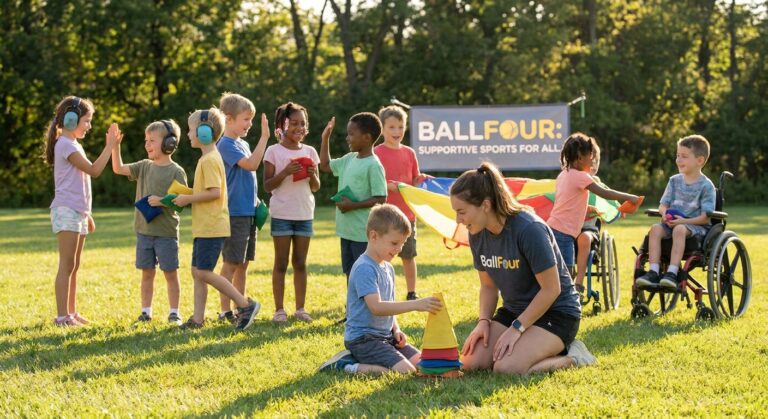
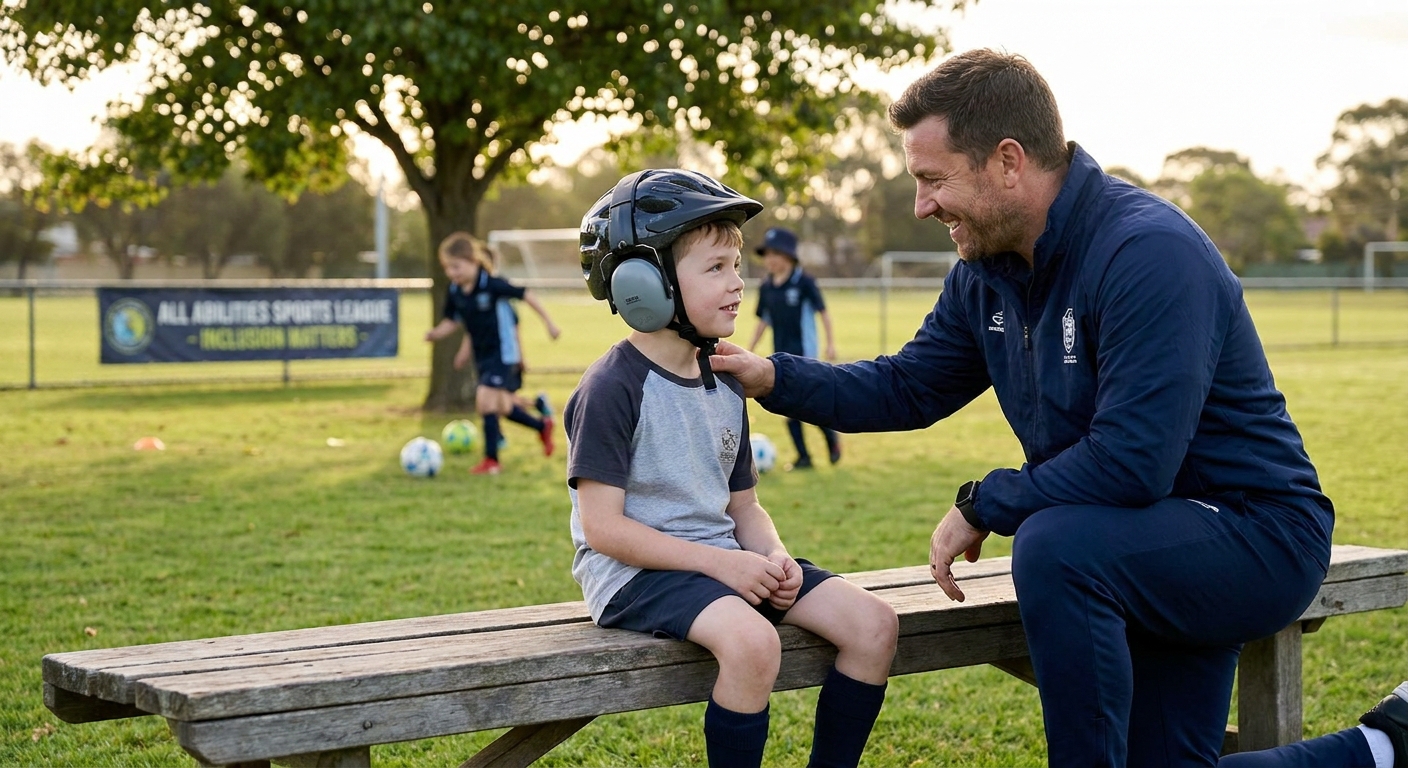
Creating a sensory-friendly environment is crucial. This might involve simple adjustments like offering noise-canceling headphones for children sensitive to loud sounds, or finding a quieter space for individual cool-down periods. Providing visual schedules for practice routines can also help children anticipate transitions, reducing anxiety when the plan changes. These tools empower children to manage sensory input and feel more secure in their surroundings.
During a Meltdown: Responding with Empathy and Safety
When a meltdown occurs, the immediate priority is safety and compassionate support. During the peak of a meltdown, it’s essential to focus on ensuring the child’s safety and the safety of those around them, rather than attempting to “fix” the problem. The Big Little Feelings blog emphasizes the importance of approaching the situation from a place of strength and calm, rather than frustration.
Here are several empathetic approaches:
- Prioritize Safety: Clear the immediate area of any potential hazards. If necessary, move to a quieter, less stimulating space, respecting the child’s personal space.
- Be Empathetic and Non-judgmental: Validate the child’s feelings without judgment. Even if the trigger seems minor from an adult perspective, for the child, it is a significant event.
- Use Calm, Minimal Communication: During escalation, use a soft, reassuring tone with very few words. Avoid asking too many questions or trying to reason.
- Offer Limited Choices: If appropriate, offering simple choices can give a child a sense of control. For example, “Do you want to sit on the bench or by the fence?” can sometimes de-escalate a situation.
- Allow for Self-Regulation: Some children may use stimming behaviors (e.g., jumping, rocking) to cope. If these are safe, allow them space to self-regulate.
Remember, the goal is not to stop the meltdown immediately, but to support the child through it, ensuring they feel safe and understood. Meeting the child where they are, sometimes even by mimicking their actions if it helps build connection, can be effective, while other times, providing space is best.
After the Meltdown: Reconnection and Learning
Once the meltdown subsides and the child begins to calm down, the recovery phase begins. This is a time for reassurance and gentle reconnection, not immediate debriefing. Allow the child ample time to relax and regain composure. They may feel exhausted or embarrassed after losing control.
Later, when everyone is fully calm, it can be beneficial to gently circle back and discuss what happened, if the child is receptive. This problem-solving approach can help build a stronger relationship and identify future coping strategies. The Happily Family article suggests that practicing these steps, even imperfectly, helps build a relationship strong enough to handle future challenges. Validating their experience and reinforcing that it’s okay to feel overwhelmed helps them process the event and empowers them for next time.
At BallFour, we believe that understanding and compassion are the cornerstones of truly inclusive sports programs. By equipping coaches, parents, and volunteers with effective strategies for handling meltdowns, we create environments where every neurodivergent child feels valued, supported, and confident enough to enjoy the transformative power of sports. Our commitment is to foster resilience, teamwork, and hope for all children in our community.
If you’re a parent, coach, or community member looking to learn more about creating supportive environments for children with neurodivergence and autism in sports, we invite you to connect with us. You can reach out directly via email at contactus@ballfour.org to learn more about our philosophy and resources aimed at empowering young athletes.
Key Takeaways
- Meltdowns are involuntary emotional responses, not tantrums, and require empathetic, non-judgmental support focused on safety.
- Proactive strategies like identifying triggers and creating sensory-friendly environments are crucial for preventing and de-escalating meltdowns.
- During and after a meltdown, prioritize safety, calm communication, and allow for recovery before gently reconnecting and discussing the event.