Navigating Meltdowns in Youth Sports: A Guide for Coaches and Parents
Youth sports offer incredible opportunities for growth, teamwork, and joy. For children with neurodivergent conditions, including autism, the dynamic environment of practice can sometimes present unique challenges. Sensory input, unexpected changes, and social pressures can occasionally lead to what we often call a “meltdown” – an intense emotional response that can feel overwhelming for everyone involved.
At BallFour, we believe every child deserves a supportive and understanding environment to thrive. Recognizing and responding effectively to meltdowns isn’t about preventing every moment of distress, but about creating a safe space where children feel seen, respected, and supported. This article offers practical strategies for coaches and parents to handle these moments with empathy and effectiveness, ensuring sports remain a positive experience for all.
Understanding meltdowns from a child’s perspective is the first step. For many neurodivergent children, a meltdown is not a choice, but a moment when their emotional regulation system is overwhelmed. It’s often a response to sensory overload, anxiety, or unmet needs, rather than defiance. Approaching these situations with empathy and a plan can make all the difference, helping children learn to navigate their emotions and continue to engage in the sports they love.
Recognizing Triggers and Early Signs
One of the most effective ways to manage a meltdown is to prevent it from escalating. This often starts with understanding and identifying a child’s unique triggers and recognizing the early warning signs. Common triggers can include loud, crowded places, sudden changes to a routine, being hungry or overtired, or feeling rushed, as noted by experts at Happily Family. Observing these patterns allows coaches and parents to intervene before a situation becomes overwhelming.
Behaviors that might signal an approaching meltdown include increased fidgeting, withdrawing from group activities, making repetitive noises, showing visible signs of distress like teary eyes, or becoming unusually quiet. It’s important to remember that these are often attempts by the child to cope with mounting sensory or emotional overload. Creating a “trigger checklist” or sharing observations between parents and coaches can be a proactive way to build awareness and prepare for potential challenges during practice.
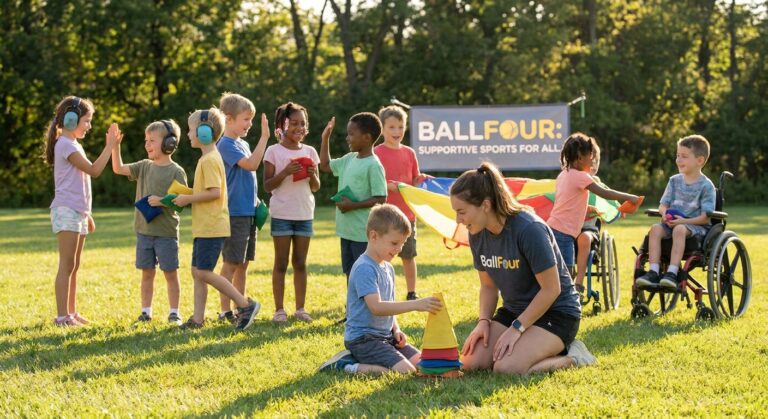
Sometimes, avoiding stimulating environments or providing sensory tools can help. For instance, offering noise-canceling headphones for a child sensitive to loud sounds or suggesting a quiet corner for a few minutes of deep breathing before an activity can make a significant difference. These small accommodations demonstrate respect for personal space and individual needs, helping to manage sensory input and keep children regulated, as discussed in strategies for managing sensitive situations.
Effective De-escalation During a Meltdown
When a meltdown is already in progress, the immediate focus shifts to safety and de-escalation rather than problem-solving. During this peak phase, a child’s emotional brain takes over, making it difficult for them to process logical explanations or complex instructions. The Autism Research Institute emphasizes that clear communication and minimal words are often most effective.
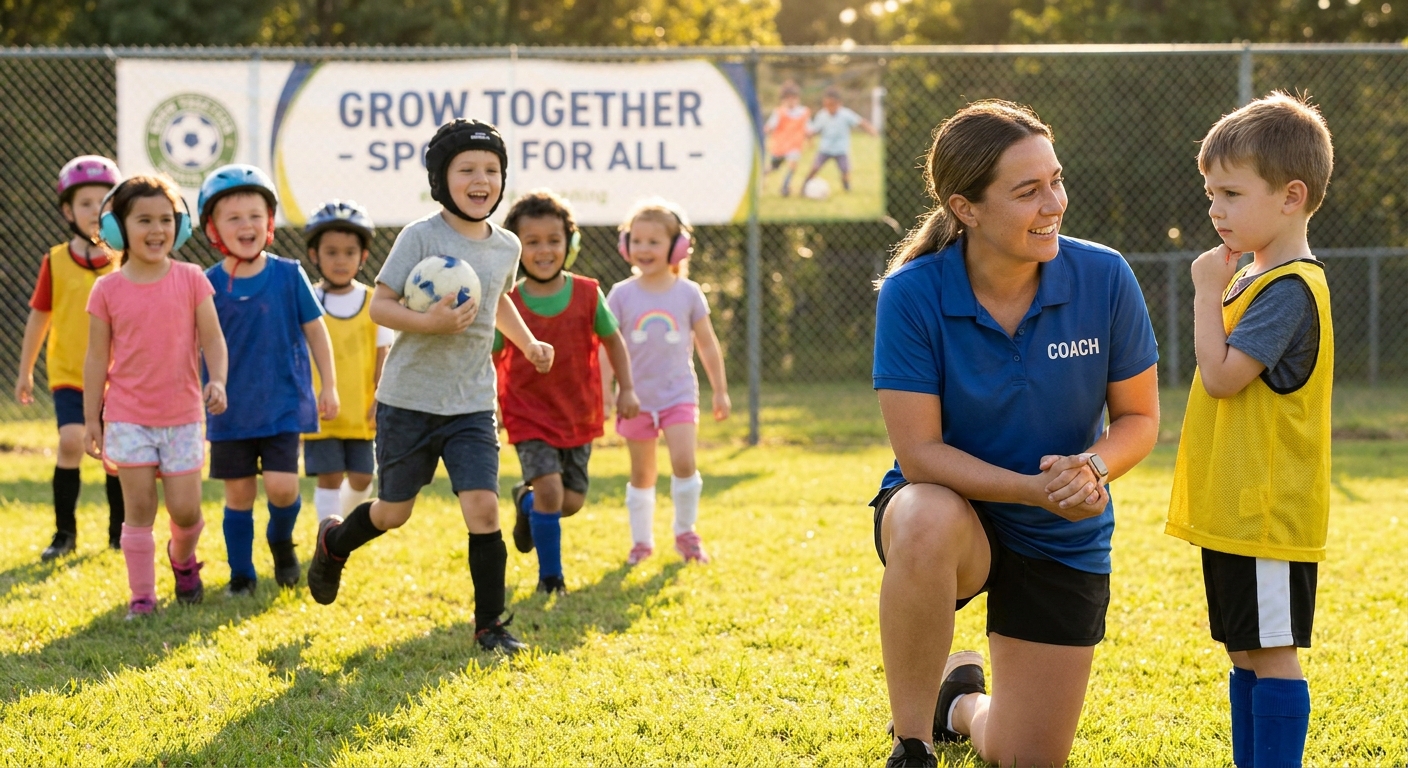
Approach the child calmly and empathetically, maintaining a nonjudgmental attitude. Remember, this experience is significant for them. Respect their personal space, being mindful of your posture and proximity. Sometimes, just being present and offering a calm, reassuring presence is enough. Avoiding confrontation is key; the goal is to help them regain control, not to “win” an argument.
Offering simple choices can sometimes empower a child and help them feel more in control, as suggested by Big Little Feelings. Instead of “No, you can’t have that,” try “Would you like to sit here or by the water fountain for a moment?” This shifts the dynamic, providing an element of agency during a disorienting experience. For some children, engaging at their level—even mirroring some calming body-based regulation like gentle rocking—can create an easier connection and a path to self-regulation.
Supporting Recovery and Fostering Resilience
Once the peak of the meltdown passes and calm begins to return, the recovery phase is crucial. It’s important to allow time for relaxation and reassurance, avoiding immediate debriefing or questioning about what happened. The child may feel embarrassed or frustrated by losing control, and respectful space helps them process these emotions. Simply being present and offering comfort can rebuild trust and security.
Later, when everyone is fully calm, it can be beneficial to circle back to discuss the situation together. This problem-solving conversation should be gentle and collaborative, focusing on what led to the meltdown and what strategies might work in the future. This approach, advocated by Happily Family, helps to build a stronger relationship and equip the child with coping mechanisms for future challenges. It’s about empowering them to understand their emotions and develop resilience, rather than focusing on punitive measures.
Coaches and parents can reinforce positive coping strategies, such as using calming breaths or taking a quick break when feeling overwhelmed. Praising efforts to self-regulate, even small ones, builds confidence. Remember, you don’t need to get it right every time. The most important thing is to have a plan for how to approach these moments and a way to reconnect and rebuild trust once the storm has passed, ensuring the child continues to feel valued and supported in their sports journey.
Embracing Empathy in Every Play
Handling a meltdown during practice requires patience, understanding, and a deep commitment to the child’s well-being. By proactively identifying triggers, employing calm and empathetic de-escalation techniques, and supporting a healthy recovery process, coaches and parents can transform challenging moments into opportunities for growth and connection. This approach aligns perfectly with BallFour’s mission to foster an inclusive and supportive environment where every child, especially those with neurodivergence, can experience the joy and benefits of sports.
We invite you to learn more about BallFour’s programs and how we create opportunities for all children to engage in positive sports experiences. Our focus is on nurturing the psychological aspects of youth development, ensuring children build confidence, social skills, and resilience. For further inquiries or to connect with our team, please reach out to us at contactus@ballfour.org. Together, we can build a community where every child feels empowered to play, learn, and grow.
Key Takeaways
- Identify and address potential triggers like sensory overload or routine changes to prevent meltdowns.
- During a meltdown, prioritize safety, use calm and minimal communication, and respect personal space.
- After a meltdown, allow for recovery and gently discuss the experience later to foster coping skills and resilience.