
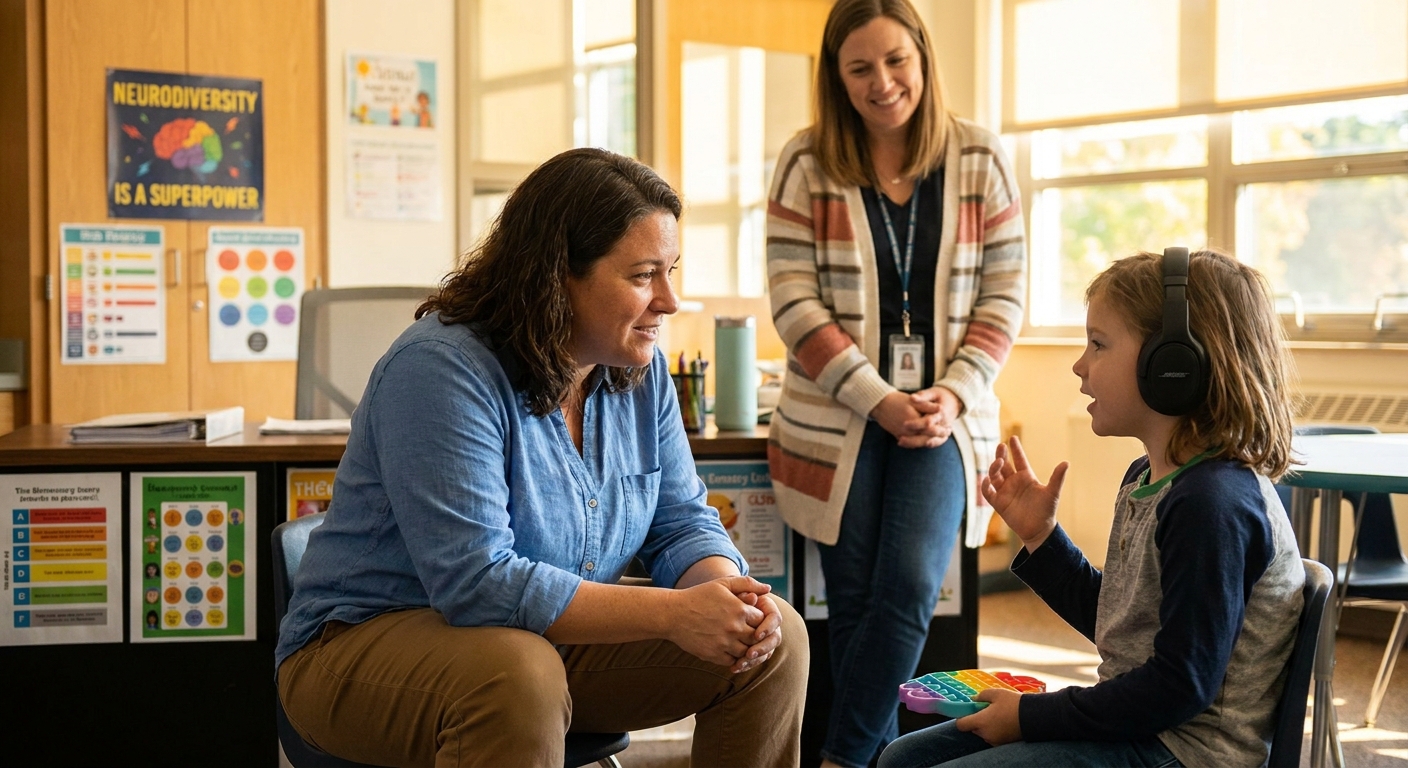
When the School Says No: Your Next Move as Your Child’s Advocate
For parents of children with neurodivergent conditions like autism, navigating the school system can sometimes feel like an uphill battle. When your child struggles, faces difficulties, or isn’t receiving the support they need to thrive, hearing “no” from the school can be disheartening. It’s a moment that can spark worry, frustration, and a deep desire to protect your child’s well-being.
You know your child best – their unique strengths, challenges, and the incredible potential within them. When their needs aren’t being met, stepping forward as their advocate isn’t just an option; it’s a vital act of love and commitment. This article will guide you through practical steps to effectively advocate for your child, ensuring their educational environment supports their psychological growth and academic success.
At BallFour, we believe every child deserves an environment where they can flourish, especially those with unique learning profiles. Understanding how to champion their needs within the school system is a powerful tool for parents.
Recognizing the Signs and Empowering Your Child’s Voice
The first step in effective advocacy is recognizing when your child needs support. Signs can range from subtle changes in behavior or mood to more noticeable dips in grades or increased anxiety about school. A child who previously loved school might become withdrawn, act out, or express reluctance to attend. For children with autism, these shifts might manifest as heightened sensitivities, difficulty with transitions, or increased repetitive behaviors.
Start by having an age-appropriate conversation with your child about what’s happening at school. Listen carefully to their experiences, emotions, and any ideas they might have. Their perspective offers invaluable insight into what’s working and what isn’t, even if they struggle to articulate it clearly. Empowering them to share their feelings, even non-verbally, is crucial. Children often find it hard to speak up or even recognize their own needs, making your role as an advocate indispensable.
Initiating Communication and Building Partnerships
Once you understand the issue, the next step is to communicate with the school. Begin with the teacher, as they are on the front lines of your child’s daily experience. If speaking with the teacher feels uncomfortable, or if the issue persists, consider reaching out to other trusted school staff like an administrator, counselor, or school psychologist. Most educators want to help and are doing their best, even if initial solutions aren’t effective.
When you communicate, try to focus on the facts and the impact on your child, rather than making it personal. Clearly articulate your child’s needs and what you believe would help them thrive. Remember, you are working towards a positive and nurturing environment that supports both academic and emotional growth. Mutual respect and open, two-way communication are non-negotiables in the parent-school relationship.
Documenting Your Journey and Seeking Professional Guidance
Throughout the advocacy process, document everything. Keep records of all communications, including dates, names of people you spoke with, what was discussed, and any agreed-upon next steps. This includes emails, phone call summaries, and meeting notes. Thorough documentation creates a clear timeline and can be invaluable if issues escalate or if adjustments to your child’s individualized education plan (IEP) are needed.
Sometimes, collaboration alone isn’t enough, and you might need additional support. Connecting with other parents who have faced similar situations can provide valuable insights and emotional support. In more challenging cases, especially when significant psychological or educational needs are not being met for neurodivergent children, seeking professional help from a parent advocate or even a special education attorney might become necessary. These professionals can empower you and ensure your child’s rights under frameworks like the Individuals with Disabilities Education Act (IDEA) are upheld.
Perseverance and Partnership for Your Child’s Future
Advocating for your child requires patience, persistence, and a belief in their right to a supportive educational experience. It’s about building a partnership with the school, even when that partnership faces challenges. Schools are human ecosystems, and a system that truly adapts to a child’s changing psychological and developmental needs is one that values every student. When the school understands and responds to the unique needs of children with autism and other neurodivergent profiles, it creates a foundation for their lifelong success.
Your child’s well-being is paramount, and your voice is their strongest asset. By remaining engaged, informed, and persistent, you can ensure they receive the tailored support they need to navigate their educational journey with confidence and resilience. Every effort you make as an advocate contributes to a brighter future for your child.
If you’re navigating the complexities of advocating for your child, especially those with neurodivergence or autism, and seek guidance or resources, please reach out to us. BallFour is dedicated to fostering opportunity, inclusion, and hope for children and families. You can contact us directly via email at contactus@ballfour.org to learn more about how we support youth development and community empowerment, focusing on the psychological and social well-being of children.
Key Takeaways
- Proactive advocacy begins with recognizing signs of struggle and understanding your child’s perspective, especially for children with neurodivergent conditions.
- Effective communication with school staff, coupled with meticulous documentation of all interactions, is crucial for building a supportive partnership.
- Don’t hesitate to seek professional advocacy or legal support when collaboration proves insufficient to ensure your child’s educational and psychological needs are met.