Finding Their Spark: Competitive Play or Just for Fun in Youth Sports
For many parents, choosing the right extracurricular activity for their child can feel like navigating a maze. Among the most common dilemmas is deciding between a competitive sports program and one focused purely on recreation and fun. This decision becomes even more nuanced and important when considering children with neurodivergence, such as autism, where sensory input, social dynamics, and predictable routines play a significant role in their comfort and engagement.
The goal is always to find an environment where a child can thrive, develop essential life skills, build confidence, and experience the joy of movement and connection. But what constitutes “thriving” can look different for every child. This article will explore the unique benefits and considerations of both competitive and recreational sports programs, helping you make an informed choice that best supports your child’s psychological well-being and growth.
Defining the Game: What Do “Competitive” and “Recreational” Mean?
At its core, “competitive” in sports refers to activities characterized by rivalry and a focus on winning, often involving structured leagues, scores, and rankings. Participants typically aim to perform at a higher level than others or against a set standard. This can involve intense training, strategic play, and a clear emphasis on skill mastery.
In contrast, “recreational” sports programs prioritize participation, personal enjoyment, and skill development without the intense pressure of winning. These programs often emphasize inclusivity, provide a relaxed atmosphere, and encourage exploration of different sports or activities. The focus is on the experience itself, fostering a love for physical activity, and building social connections in a low-stakes environment. Both approaches offer distinct pathways for growth and development, catering to different temperaments and needs.
The Joys of Recreational Programs: Nurturing Growth and Belonging
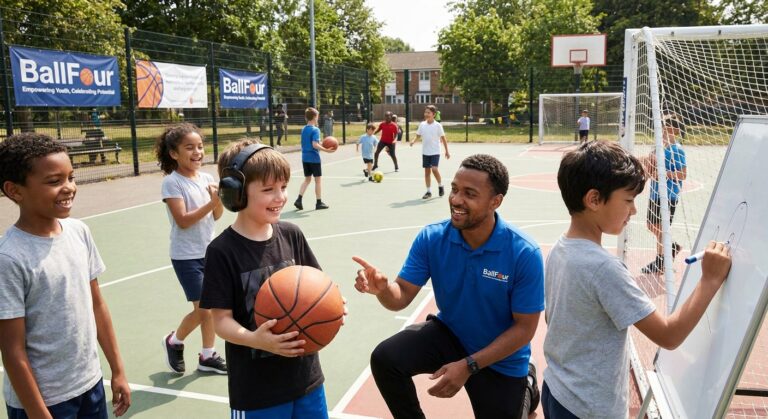
Recreational sports offer a wonderful entry point for children to experience the physical and social benefits of being active. These programs often focus on inclusion, allowing every child to participate regardless of their skill level. For many children, especially those who may be sensitive to pressure or new social situations, a recreational setting provides a safe space to learn at their own pace.
In a “just for fun” environment, children can experiment with different roles, develop fundamental motor skills, and build friendships without the anxiety of performance expectations. This approach fosters a natural love for the game, encourages creativity, and supports emotional regulation by reducing stressors. For neurodivergent children, recreational programs can offer predictable routines within a flexible framework, minimize sensory overload, and allow for social interactions to unfold organically, promoting a sense of belonging and joy.
Embracing Healthy Competition: Lessons in Resilience and Strategy
While the word “competitive” can sometimes carry negative connotations, a well-structured competitive sports program can offer invaluable psychological and developmental benefits. Healthy competition, when guided by supportive coaches and parents, teaches children important lessons in resilience, perseverance, and problem-solving. Children learn to set goals, work strategically with teammates, and understand that effort often leads to improvement, even if a game isn’t won.
Facing challenges and navigating both victories and setbacks builds mental toughness and adaptability. For some children, including those with neurodivergence, the clear rules and structured nature of competitive play can actually be reassuring and empowering. With proper support and understanding from coaches, they can develop advanced skills, learn complex social cues within the game context, and experience the immense satisfaction of achieving a challenging goal as part of a team. The key is finding programs that prioritize sportsmanship, individual growth, and a positive team dynamic over a win-at-all-costs mentality.
Tailoring the Experience for Every Child, Especially Neurodivergent Youth
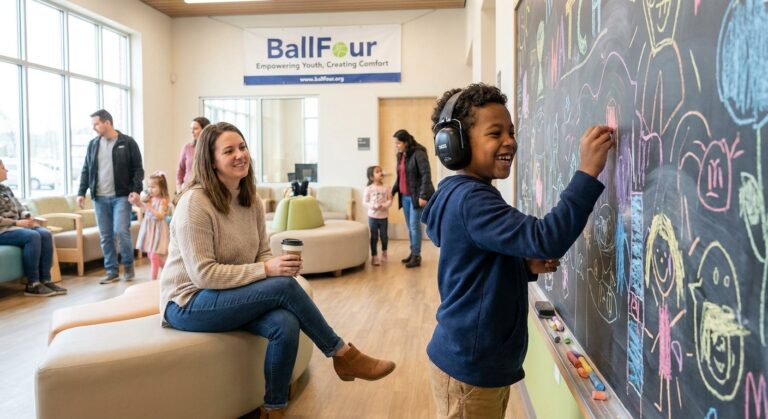
Choosing between competitive and recreational sports programs is never a one-size-fits-all decision, especially for children with neurodivergence. It requires a deep understanding of your child’s unique temperament, sensitivities, and interests. For a child with autism, for example, sensory sensitivities might make loud gymnasiums or chaotic outdoor fields overwhelming. Social communication differences might mean that complex team dynamics or spontaneous play are challenging, while clear rules and structured roles are comforting.
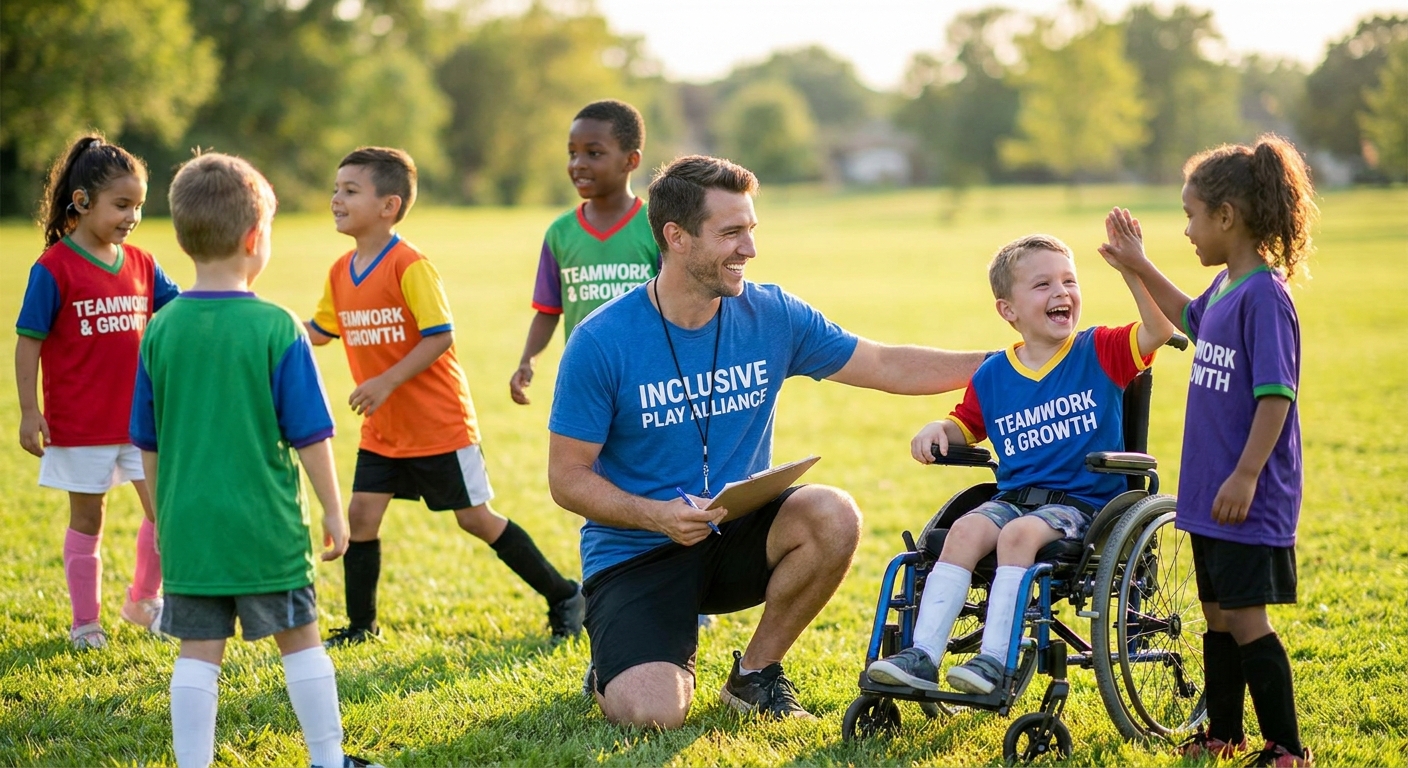
When selecting a program, consider whether the environment supports your child’s processing style. Does the program offer accommodations? Are coaches trained in inclusive practices and understanding of different learning needs? Prioritizing an individualized approach ensures that the chosen program genuinely fosters opportunity, inclusion, and hope for your child. It’s about finding a place where they feel understood, valued, and empowered to participate fully, whether that’s in a gentle recreational class or a well-supported competitive league. For additional insights into fostering inclusive environments, resources from organizations like the Special Olympics can be very helpful.
Listening to Your Child: Signs of a Good Fit
Ultimately, the most important indicator of a program’s suitability is your child’s own experience and engagement. Observe how they feel before, during, and after practice or games. Are they excited to go? Do they come home feeling happy and energized, or stressed and anxious? Look for signs of genuine enjoyment, reduced anxiety, and positive interactions with peers and coaches. A child who feels a sense of belonging and personal accomplishment, regardless of scores, is in the right place.
It’s perfectly acceptable for a child to try different activities and switch programs if one isn’t working out. Their interests and needs may evolve over time, and flexibility is key. The goal is to provide a positive experience that contributes to their overall psychological well-being, builds their confidence, and encourages a lifelong love of being active. Remember, the journey of discovering what works best is part of the growth process.
At BallFour, we believe every child deserves the opportunity to experience the transformative power of sports, regardless of their background or developmental journey. We are committed to fostering environments where children with neurodivergence can develop resilience, learn teamwork, and find joy in movement. If you’re seeking guidance or wish to learn more about inclusive sports opportunities for children in our community, please reach out to us. We are here to help parents navigate these choices and ensure every child finds their place on the field of play. You can contact us directly at contactus@ballfour.org to connect with our team and discover how we are championing opportunity, inclusion, and hope.
Key Takeaways
- Prioritize your child’s individual temperament, psychological well-being, and interests when choosing a sports program, especially for neurodivergent children.
- Both recreational and healthy competitive sports offer unique benefits, including skill development, social emotional learning, resilience, and a sense of belonging.
- Maintain open communication with your child and program organizers, allowing for flexibility and changes to ensure the best fit as your child grows and develops.