Finding the Right Sport or Art for Your Child’s Journey
Every child possesses a unique spark, a distinct blend of energy, curiosity, and potential waiting to be discovered. For parents, helping children find activities that resonate with their individuality can be a deeply rewarding, yet sometimes challenging, journey. This is especially true for children who are neurodivergent or on the autism spectrum, where understanding their specific needs and preferences is key to fostering joyful and beneficial experiences.
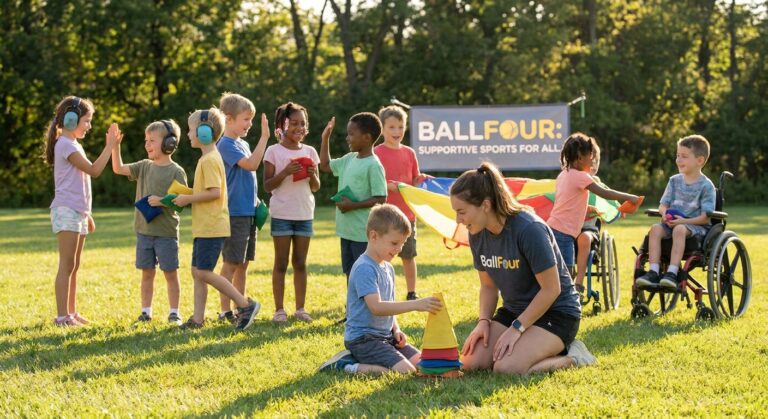
At BallFour, we believe that access to inclusive sports and arts programs can be a powerful catalyst for growth, building resilience, teamwork, and a sense of belonging. Our focus is on nurturing the psychological well-being of children, offering avenues for expression and development that extend far beyond physical skills.
This article will explore how to approach this discovery process, encouraging parents to observe their child closely and consider a wide range of options, ensuring that the chosen path truly supports their child’s holistic development and happiness.
Understanding Your Child’s Unique Spark
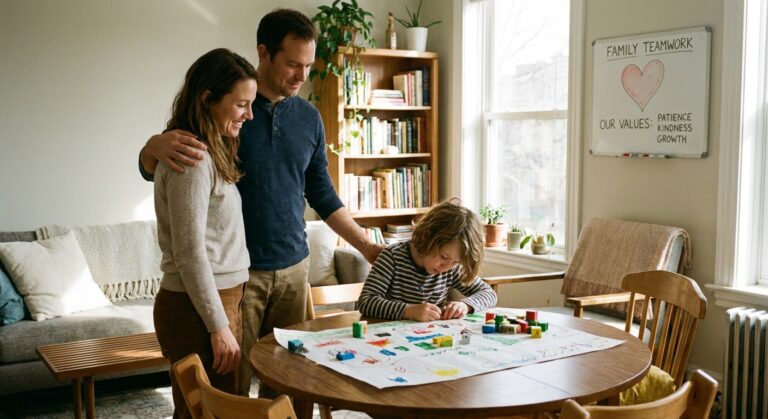
The first step in finding the right fit is to truly see and understand your child. Observe their natural inclinations: Do they thrive in bustling group settings or prefer quiet, individual pursuits? Are they drawn to high-energy activities or more contemplative, creative tasks? These observations are crucial, particularly for neurodivergent children who may have specific sensitivities or preferences.
Consider their energy levels and social comfort. Some children possess boundless energy, enjoying activities that involve lots of running and interaction, while others prefer more measured movements or less direct physical contact. As the YMCA points out, high-energy children might gravitate towards fast-paced sports like soccer or basketball, while those preferring lower impact might enjoy individual pursuits like swimming or tennis. Encouraging children to try different activities at home, like kicking a soccer ball or tossing a baseball, can offer valuable insights into their interests and frustrations, ensuring the activity remains fun and engaging.
Exploring a Spectrum of Opportunities: Sports and Arts
The world of youth activities is vast, encompassing both dynamic sports and enriching artistic endeavors. The goal is to find an environment where your child feels safe, supported, and engaged, fostering their unique talents and building vital life skills.
For children who enjoy physical contact and active play, martial arts can be an excellent choice. It teaches controlled contact, discipline, and respect, alongside boosting self-esteem, coordination, and communication skills, as noted by Asphalt Green. Similarly, team sports like soccer, basketball, or flag football can offer opportunities for strategic thinking and collaboration within a structured environment. For younger children, T-ball provides a low-pressure introduction to team dynamics.
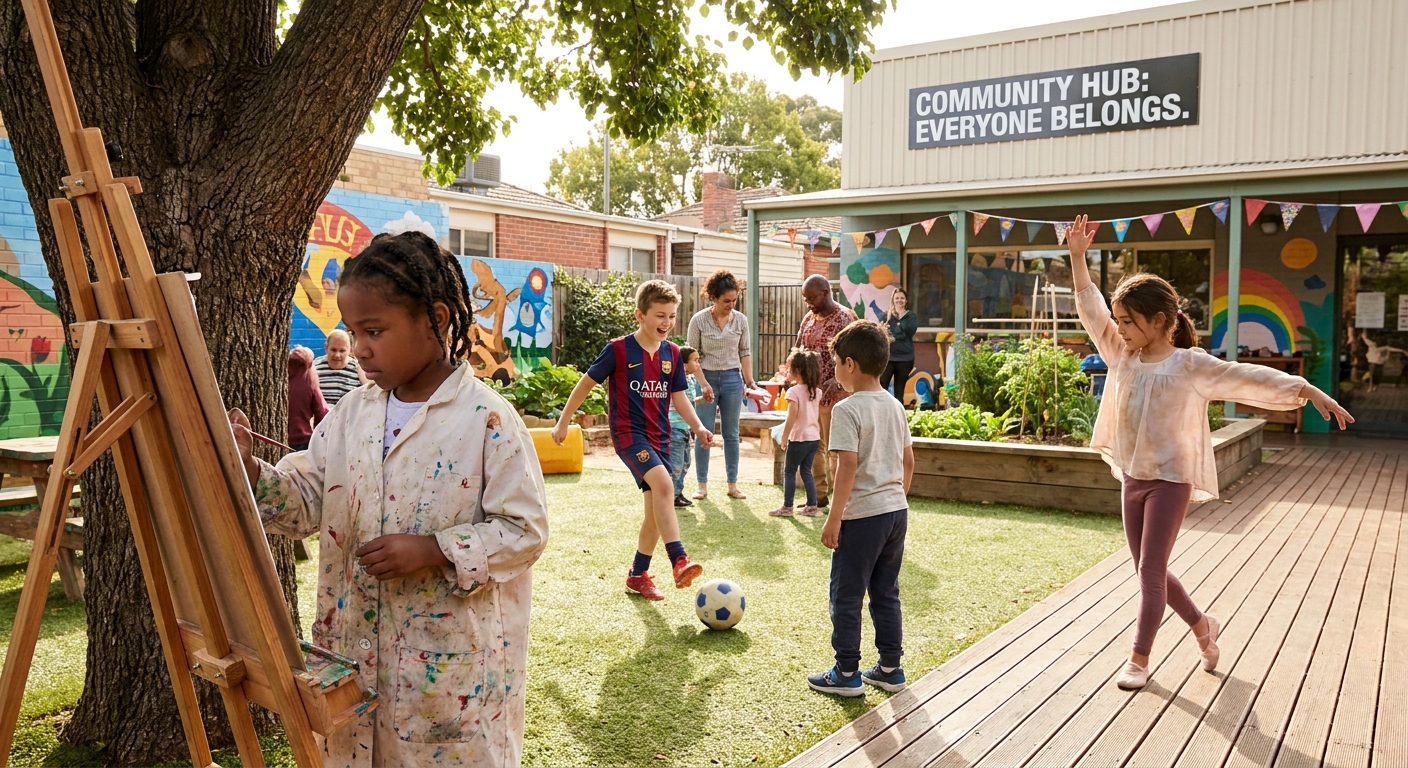
If your child is more introverted, anxious in new situations, or prefers to warm up slowly, individual sports can be incredibly beneficial. Swimming, for instance, offers individual progress in a comfortable environment, while gymnastics focuses on individual skill work and tumbling. Dance also provides a structured outlet for expression and physical development. It’s important to remember that not every child will connect with traditional sports. Many find their passion in the arts, whether it’s drawing, music, or even stop-motion animation, as some parents have shared. These creative outlets can be just as impactful in developing confidence, problem-solving skills, and self-expression.
Prioritizing Fun, Flexibility, and a Supportive Environment
The primary goal of any youth activity should be enjoyment and positive development, not just achievement. It’s perfectly acceptable for children to try multiple sports or art forms to discover what truly resonates with them. As the YMCA advises, there’s no rule saying a child must stick with one activity. Forcing a child into something they dislike can lead to resistance and frustration, diminishing the potential benefits.
Before committing to a program, inquire about its structure, coaching philosophy, and approach to inclusion. Ask questions about how the program supports children with diverse needs and ensures a positive, encouraging atmosphere. A good program will prioritize a child-centered approach, focusing on skill development in a way that builds confidence and a love for the activity, rather than intense competition. Look for programs that emphasize teamwork, respect, and personal growth, ensuring that the environment is nurturing and understanding.
Building Confidence, Resilience, and Connection
Finding the right sport or art for your child is a journey of discovery, patience, and unwavering support. It’s about empowering them to explore, make choices, and find their unique path to growth and happiness. Whether they find joy on a sports field or in an art studio, the true value lies in the confidence they build, the resilience they develop, and the connections they make.
At BallFour, we champion programs that create inclusive opportunities for all children, especially those with neurodivergence and autism. We believe that every child deserves the chance to experience the profound psychological and social benefits of engaging activities, fostering their inherent strengths and nurturing their potential. By focusing on their well-being and providing tailored support, we help children thrive and flourish.
If you’re looking for guidance on finding inclusive programs or wish to learn more about how BallFour supports children in their journey of discovery, we encourage you to connect with us. You can reach out to us directly at contactus@ballfour.org to discuss how we can help your child find their passion and build a brighter future through sports and arts.
Key Takeaways
- Observe your child’s unique personality, energy levels, and social preferences to find activities that genuinely align with their interests.
- Explore a wide spectrum of sports and artistic endeavors, including individual and team options, to ensure a diverse range of choices.
- Prioritize programs that emphasize fun, flexibility, and a supportive, inclusive environment over intense competition, allowing children to discover joy and build confidence at their own pace.