
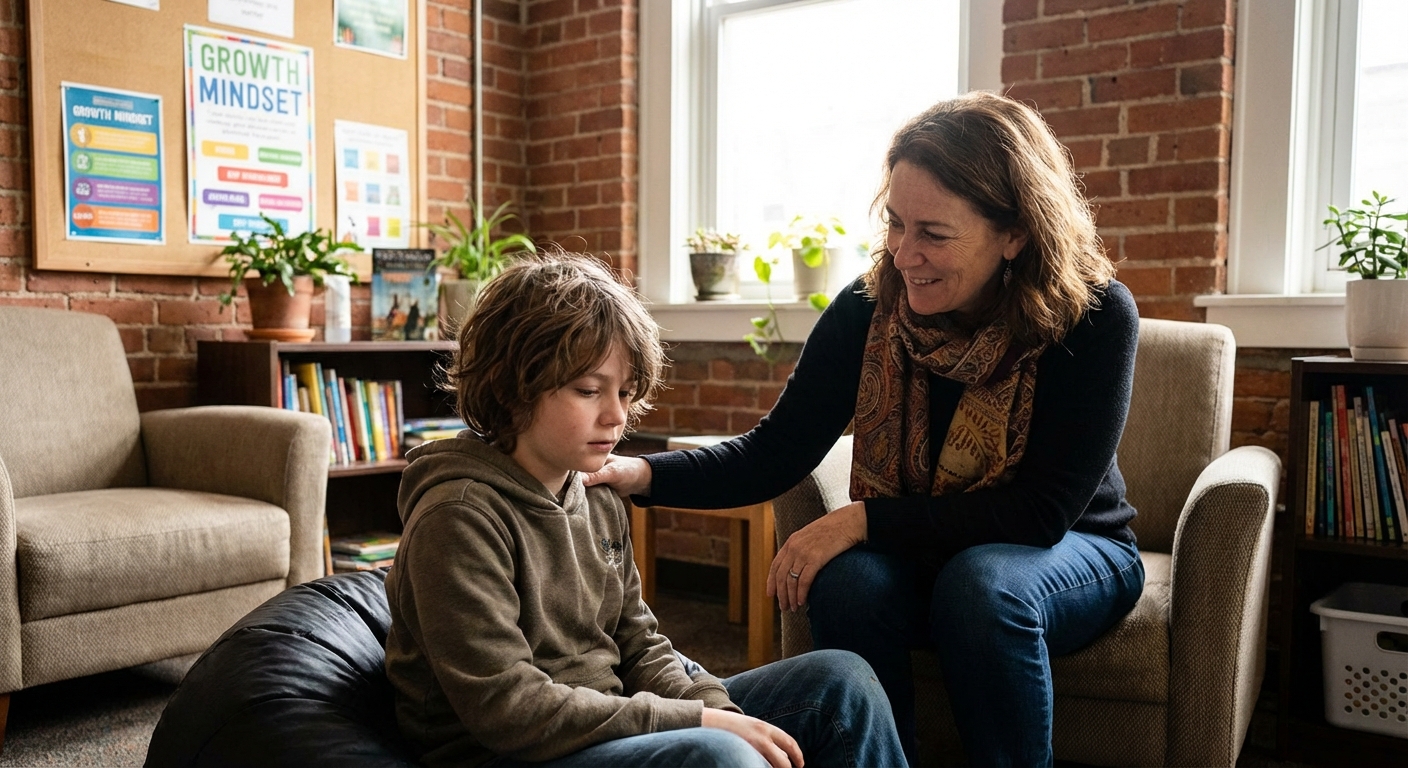
Helping Your Child Cope with Disappointment
Disappointment is an inevitable part of life, a challenging emotion that every child will encounter. For parents, watching a child struggle with these big feelings can be heartbreaking, especially for those with unique emotional processing styles, such as neurodivergent children. Learning to navigate these moments isn’t just about feeling better in the short term; it’s about building foundational resilience, empathy, and problem-solving skills that last a lifetime.
At BallFour, we understand the profound impact of developing emotional regulation and resilience from a young age. We believe that by providing supportive environments, we can help children transform challenging experiences into opportunities for profound personal growth and emotional strength. This article explores practical strategies to help your child process disappointment, guiding them towards greater confidence and well-being.
The Power of Validation: Acknowledging Their Feelings
When a child faces disappointment, their feelings are real and often intense. The first, and most crucial, step is to acknowledge and validate these emotions, rather than dismissing them. This means truly harmonizing with your child’s emotions, showing them you are “in tune” with what they are experiencing. Avoid phrases like “It’s not a big deal” or “You’ll get over it,” which can invalidate their experience.
Instead, say things like, “I can see how upsetting this is for you right now,” or “It sounds like you’re really sad that didn’t work out.” This empathetic attunement helps children feel understood and creates a safe space for them to process their feelings, laying the groundwork for healthy coping mechanisms, as highlighted by experts at Cookson Hills.
Fostering a Growth Mindset Through Challenges
Disappointment can often feel like a dead end, but with a growth mindset, it can become a new beginning. Encourage your child to view setbacks not as failures, but as valuable learning experiences. Shift the focus from the outcome to the effort and bravery they showed in trying. For instance, if they didn’t make a sports team or perform as well as they hoped in a task, highlight their dedication and the courage it took to participate.
Helping children understand that emotions are temporary and that resilience comes from trying again empowers them to tackle future challenges with confidence and a positive outlook. This perspective is incredibly beneficial for all children, including those with neurodivergence who might experience setbacks differently and need explicit strategies for emotional processing. This approach is deeply explored by sources like The Therapist Parent.
Guiding, Not Fixing: Empowering Independence
As parents, our instinct is often to “fix” our child’s problems or distract them from their pain. However, a more effective approach is to be a guide. This means empathizing without offering false reassurances that might give unrealistic expectations. Instead of saying, “It will be fine,” acknowledge the uncertainty, “I know it’s hard not knowing when things will get back to normal,” a strategy reinforced by insights from the Child Mind Institute.
By allowing children to experience and work through their feelings, you teach them invaluable problem-solving skills and the ability to manage expectations, fostering true self-reliance. This guidance empowers them to develop their own coping strategies, rather than relying on external solutions.
Building Connections: Shared Experiences and Perspective
Disappointment can feel isolating, but shared experiences can provide immense comfort and perspective. Encourage your child to talk about their feelings with trusted friends or family members. Bonding with peers over shared disappointments, such as a cancelled event or a setback in a group activity, can help children realize they are not alone and that these experiences are a normal part of life, as discussed on PBS Parents.
Additionally, sharing your own experiences with disappointment and how you navigate them can model healthy coping strategies for your child. This shared understanding can strengthen relationships and build a supportive community around your child, reinforcing the idea that everyone faces difficult moments.
Learning to cope with disappointment is a lifelong skill, and it’s one of the most vital psychological lessons we can impart to our children. By validating their emotions, nurturing a growth mindset, guiding them towards independence, and encouraging connection, we equip them with the resilience needed to face life’s inevitable ups and downs. These skills are particularly impactful for children with neurodivergence, who benefit immensely from clear strategies for emotional regulation and resilience-building.
At BallFour, we believe in creating environments where every child, especially those with neurodivergence, can develop these crucial psychological and social skills through sports and community engagement. We focus on fostering opportunity, inclusion, resilience, teamwork, and hope, understanding that the lessons learned through play and interaction extend far beyond the field. If you’re seeking resources or wish to learn more about our programs that support youth in building resilience and navigating challenges, please reach out to us directly at contactus@ballfour.org. We are dedicated to empowering children to thrive.
Key Takeaways
- Validate your child’s feelings by acknowledging their disappointment without trying to fix it immediately.
- Encourage a growth mindset, helping them see setbacks as learning opportunities rather than failures.
- Guide your child to develop their own coping strategies, fostering independence and resilience for life’s challenges.