When Anxiety Shows Up Before Practice or Performance
For many young athletes, the thrill of sports is unmatched – the camaraderie, the challenge, the joy of movement. But beneath the surface of excitement, a common and often silent struggle can emerge: performance anxiety. It’s that uneasy feeling, the butterflies that turn into a swarm, or the mind that races even before the whistle blows. While a little nervousness is natural, for some children, especially those who are neurodivergent, these feelings can become overwhelming, dimming their love for the game and hindering their development.
At BallFour, we believe every child deserves a supportive environment where they can thrive, regardless of their unique psychological landscape. Understanding and addressing performance anxiety is crucial to fostering resilience and a lasting passion for sports. This article will explore what performance anxiety looks like in young athletes, particularly for neurodivergent children, and offer practical strategies for parents, coaches, and communities to help them navigate these challenging moments.
Understanding Performance Anxiety in Young Athletes
Performance anxiety is more than just pre-game jitters; it’s an anticipatory fear of failure or negative evaluation when a child’s abilities are observed or judged. This can manifest in various ways, from physical symptoms like an increased heart rate, shaky hands, or shortness of breath, to psychological challenges such as difficulty concentrating, negative self-talk, or an inability to “shake off” mistakes. It’s the body’s natural “fight-or-flight” response gearing up for a challenge, but when excessive, it can become detrimental to a child’s experience and performance.
While some level of anxiety can actually sharpen focus, unmanaged performance anxiety can lead to a decrease in enjoyment and confidence. Recognizing the signs is the first step. Is your child complaining of stomachaches before practice? Are they unusually withdrawn or irritable on game days? Do they express a desire to quit a sport they once loved? These could all be indicators that anxiety is playing a larger role than just normal nerves.
The Unique Landscape for Neurodivergent Children
Children with neurodivergence, such as those on the autism spectrum or with ADHD, often experience the world, and by extension, sports, with a different sensory and emotional processing system. For them, performance anxiety can be intensified or present uniquely.
Unexpected changes in routine, loud noises, bright lights, or the complex social dynamics of a team sport can be incredibly overwhelming, leading to sensory overload and heightened anxiety. They might struggle more with abstract concepts like “just relax” or find it harder to interpret social cues from coaches and teammates, leading to feelings of inadequacy or confusion. This means that a standard approach to managing nerves might not be sufficient; a more tailored, empathetic, and predictable environment is often necessary to help these children feel safe and confident.
Strategies to Support Young Athletes Before & During Play
Empowering children to manage performance anxiety involves a multi-faceted approach, combining practical techniques with a supportive environment:
- Preparation and Routine: Being well-prepared builds confidence. For neurodivergent children, this might mean establishing clear, predictable routines before practice or games. Knowing what to expect, from getting dressed to warm-ups, can significantly reduce anxiety. Having specific goals, beyond just winning, can also provide a valuable focus.
- Relaxation and Mindfulness: Simple techniques like deep breathing exercises can provide an immediate calming effect. Encourage children to take a few slow, deep breaths before a challenging moment. Focusing techniques, such as mindfulness, can help shift attention away from anxious thoughts and onto the present moment and the task at hand.
- Positive Self-Talk and Visualization: Help children develop positive affirmations (“I can do this,” “I’ve practiced this”) to counter negative thoughts. Visualization, where they mentally rehearse successful performance or visualize themselves enjoying the game, can significantly increase confidence and decrease anxiety, as highlighted by resources like the NFL Players Association.
- Focus on Effort, Not Just Outcome: Shift the emphasis from winning to personal improvement, effort, and enjoyment. Remind children that mistakes are part of learning. Praising their perseverance and trying hard reinforces a growth mindset and reduces the pressure to be perfect.
- Adequate Rest and Nutrition: A well-rested and properly nourished child is better equipped to handle stress. Encourage consistent sleep schedules and healthy eating habits, especially before practices or competitions. As World Athletics advises, being well-rested is crucial for optimal performance and managing nerves.
- Know When to Seek Professional Help: For some children, performance anxiety can become debilitating, significantly interfering with their enjoyment or participation. If self-help strategies aren’t enough, consider seeking professional guidance. Therapies like Cognitive Behavioral Therapy (CBT) can be highly effective in helping individuals identify and challenge negative thought patterns and develop robust coping strategies.
Creating a Culture of Empathy and Understanding
The role of parents, coaches, and the community is paramount in mitigating performance anxiety. Coaches can create a more inclusive environment by offering clear instructions, providing consistent feedback, and being patient with individual differences. Parents can offer unconditional support, focusing on their child’s emotional well-being over their athletic achievements.
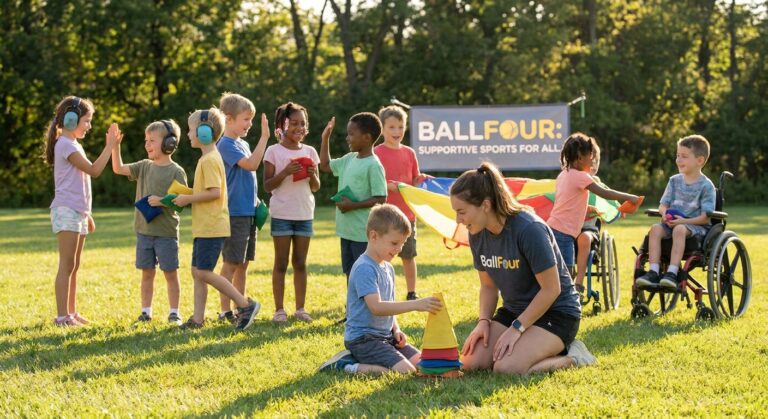
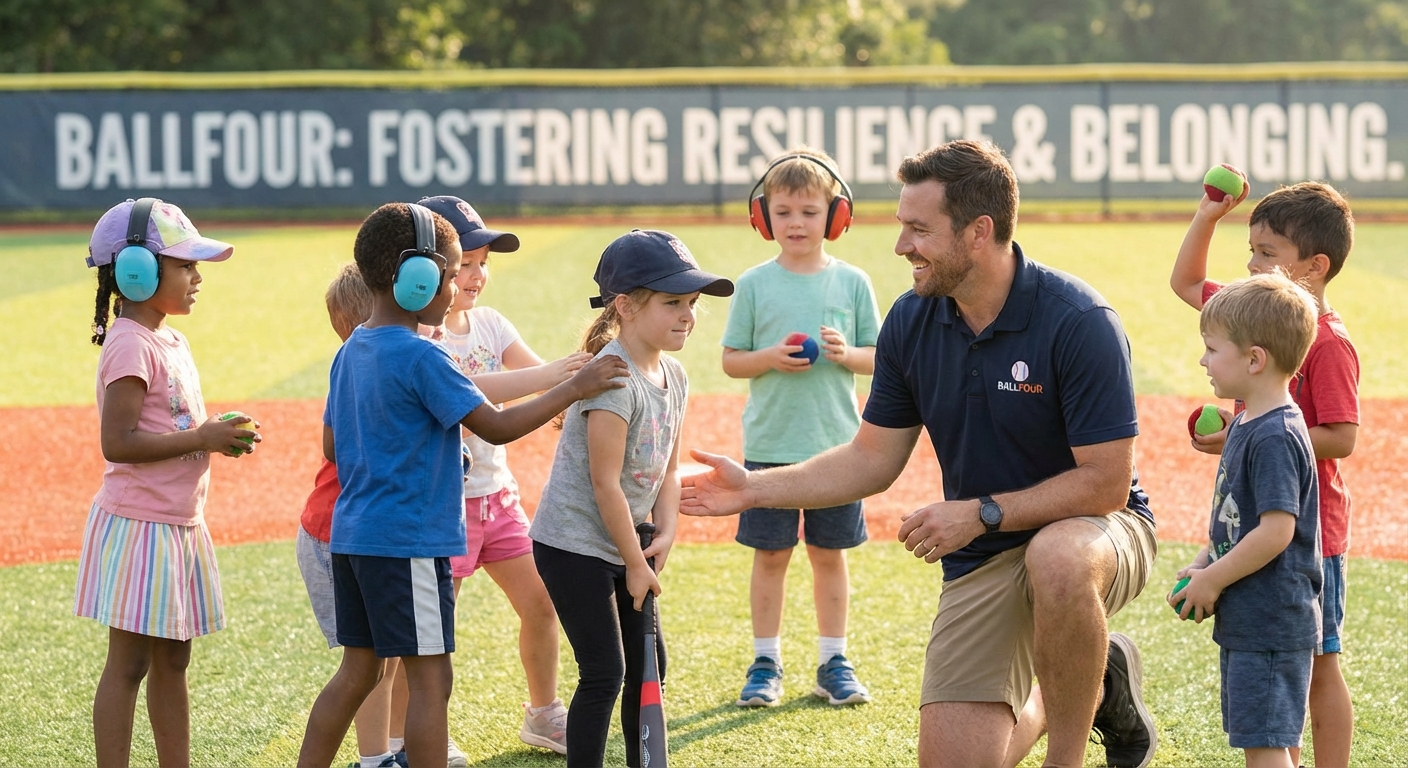
BallFour champions a philosophy where sports are a tool for growth, resilience, and belonging. By fostering an atmosphere of empathy, understanding, and acceptance, we can help all children, especially those who are neurodivergent, navigate their anxieties and discover the profound joy and benefits of participation. Remember, a child’s experience in sports should build them up, not tear them down.
At BallFour, we are dedicated to providing accessible sports opportunities that prioritize the psychological well-being and development of every child, particularly those with neurodivergence and autism. We believe that with the right support, every child can find confidence, joy, and a sense of belonging through sports. If you’re a parent, coach, or community member looking for resources or guidance on supporting young athletes with performance anxiety, especially those who are neurodivergent, we encourage you to connect with us. You can learn more about our programs and mission by exploring our website or reaching out directly via email at contactus@ballfour.org. Together, we can create spaces where every child feels empowered to play, grow, and shine.
Key Takeaways
- Performance anxiety is a common challenge for young athletes, often intensified for neurodivergent children due to unique processing styles.
- Practical strategies like preparation, relaxation techniques, positive self-talk, and focusing on effort can effectively help children manage their anxiety.
- A supportive and empathetic environment from parents, coaches, and the community is crucial for building resilience and ensuring all children find joy in sports.