
Supporting the Siblings: When One Child Needs More
Every child is a unique and cherished part of their family, bringing their own light and personality. However, for many families, the reality is that one child may consistently require significantly more support due to neurodevelopmental or psychological needs. This can look like a child who needs extensive behavioral guidance, struggles with managing anxieties, or faces the challenges of conditions like autism or ADHD. While the focus naturally shifts to provide the necessary care for the child with greater needs, it’s equally important to acknowledge and support the profound impact this dynamic has on the entire family, especially the siblings.
At BallFour, we understand that nurturing the potential of every child means supporting the whole family system. This article explores the unique experiences of siblings when one child needs more attention, offers strategies for fostering strong family connections, and highlights how understanding these dynamics can empower every child to thrive.
Understanding the Dynamics: When “Fair” Isn’t “Equal”
When one child requires extensive behavioral support, ongoing advocacy at school, or specialized care for psychological struggles, parents often dedicate considerable time, energy, and emotional resources to meet those needs. This often isn’t a temporary phase but an ongoing feature of family life. As noted by experts, this can create a ripple effect, where the child requiring extra support receives more parental attention, creating subtle pressures throughout the family. This isn’t about unequal love, but about unequal needs.
A helpful concept for families navigating these differences is the distinction between equality and equity. As one occupational therapy practice explains, “fair” doesn’t always mean “equal” because different kids need different expectations, support, and scaffolding to thrive. Equity means everyone gets what they need to succeed, and helping siblings understand this principle can foster empathy and mutual understanding within the family.
The Emotional Landscape for Siblings
The siblings of children with neurodivergent or psychological challenges often navigate a complex emotional landscape. They might implicitly receive the message that they should be “easy” by comparison, feeling pressure to be problem-free. This can lead to feelings of being overlooked, confused, or that their achievements are taken for granted compared to the significant efforts made for their sibling.
These feelings are completely normal and valid. Siblings might experience a mix of love, loyalty, frustration, resentment, guilt, or even a sense of responsibility. For example, when a child is diagnosed with a mental health disorder, their siblings, like Rachel supporting her sister Sophie with OCD, can be a great help, but they also experience their own struggles. Recognizing and validating these emotions through open communication is a crucial first step in supporting the well-being of every child in the family. It’s vital for parents to create space for all children to express their feelings without judgment.
Strategies for Nurturing All Children
Supporting one child with significant needs should never mean sacrificing the well-being of the rest of the family. With intentional effort, parents can help strengthen sibling relationships and ensure every child feels seen, heard, and valued. Here are some strategies:
- Open Communication and Validation: Create an environment where all family members can openly discuss feelings and experiences. Validate siblings’ emotions, letting them know it’s okay to feel overwhelmed, confused, or even jealous at times. As NESCA highlights, open communication is key to strengthening sibling relationships (NESCA).
- Dedicated One-on-One Time: Ensure each child receives individual, focused attention regularly. Even brief moments of quality time can make a significant difference, showing them they are important and valued for who they are, independent of their sibling’s needs.
- Educating on Equity, Not Just Equality: Help siblings understand that “fair” means everyone gets what they need. Explaining the unique challenges their sibling faces can foster empathy and reduce feelings of unfairness. This also empowers them to advocate for their own needs.
- Empowering Siblings (Age-Appropriately): Involve siblings in discussions about their sibling’s condition at an age-appropriate level. This can help them understand, feel a sense of contribution, and reduce anxiety. Teach them how to be supportive, like the “lean on me” approach mentioned by the Child Mind Institute (Child Mind Institute), without burdening them with adult responsibilities.
- Seeking External Support: Parents stretched thin by the demands of a child with significant needs can benefit from professional guidance. Therapists or support groups specializing in family dynamics and neurodevelopmental conditions can offer invaluable strategies and resources for the whole family (Fox Child and Family Therapy).
Building a Resilient Family Team
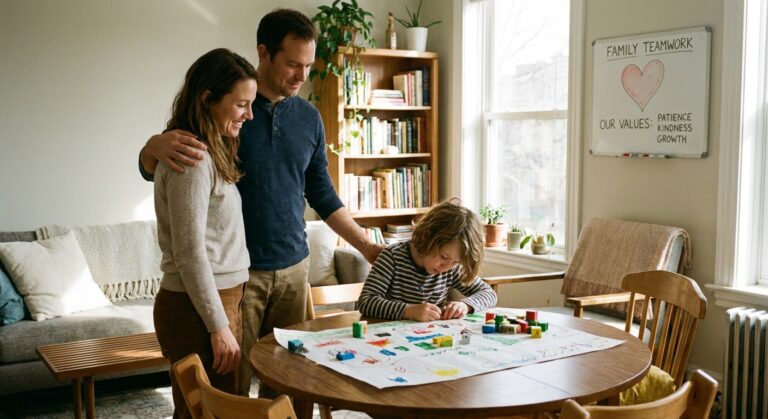
When one child struggles emotionally, behaviorally, or mentally, the entire family is affected. However, these challenges also present opportunities to strengthen family bonds and cultivate resilience. By fostering an environment of understanding, empathy, and open dialogue, families can build a robust support system where everyone feels connected and valued. Remind everyone that the family is a team, even when things feel hard. Celebrating small victories, encouraging shared activities, and recognizing the unique contributions of each family member can reinforce this sense of unity.
BallFour believes that every child deserves the opportunity to thrive, regardless of their unique psychological or neurodevelopmental profile. We are dedicated to creating inclusive spaces where children can develop resilience, teamwork, and hope. By supporting the whole family, we help ensure that children with neurodivergent needs, like those on the autism spectrum, and their siblings can grow together in an environment of understanding and mutual respect. If you’re a parent seeking resources or support for your children, we invite you to connect with us to learn more about our programs and how we empower youth in our community.
You can reach out to us directly via email at contactus@ballfour.org to discover how BallFour champions opportunity and inclusion for children with diverse needs. We are here to support families in navigating the path to a brighter future for all their children.
Key Takeaways
- Families with a child who has significant neurodevelopmental or psychological needs must also prioritize the well-being of their siblings.
- Understanding the difference between equality (everyone gets the same) and equity (everyone gets what they need) is crucial for family harmony.
- Open communication, dedicated one-on-one time, and seeking external support are vital strategies for nurturing all children and strengthening family bonds.