
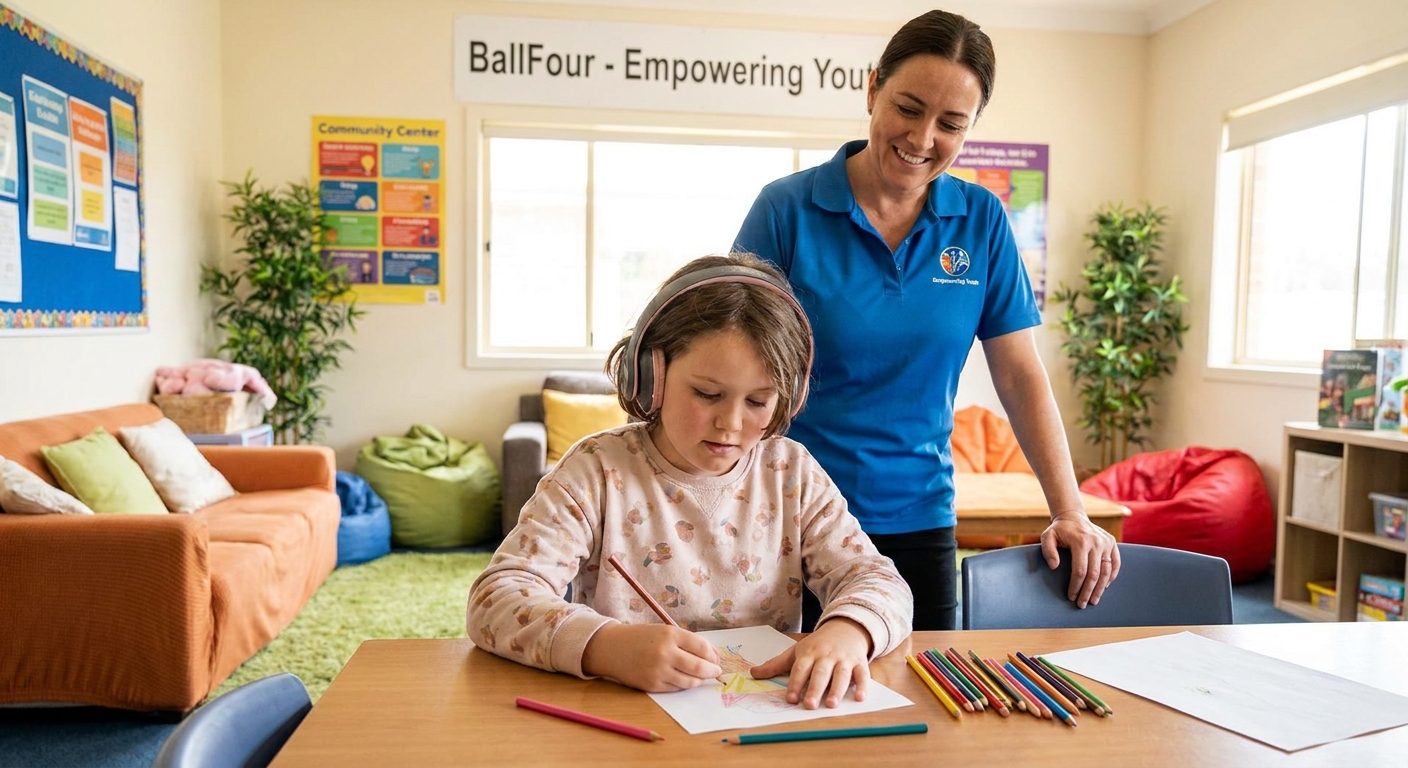
Respite Care: A Lifeline for Families of Neurodivergent Children
The journey of parenting a child with neurodivergence or autism is filled with immense love, joy, and unique challenges. Day-to-day caregiving often requires extraordinary dedication, vigilance, and patience, creating a landscape where breaks can feel like a distant luxury. Yet, just like a runner in a marathon needs moments to refuel, caregivers need time to rest and recharge to maintain their own well-being and continue providing the best possible support.
This is where respite care becomes an invaluable resource. Respite care offers temporary relief from the demanding responsibilities of caregiving, providing a crucial opportunity for parents and families to step away, manage personal tasks, or simply find moments of peace. It’s not a sign of weakness or a desire to “escape” caregiving; rather, it’s a proactive strategy for sustainable family health.
Understanding what respite care entails and how to access it can significantly empower families. This article will explore the concept of respite care tailored for the unique needs of children with neurodivergence, delve into the various forms it can take, and guide you on how to find these essential services in your community.
Understanding Respite Care for Families
Respite care, at its core, provides short-term, temporary relief for primary caregivers. For families raising neurodivergent children, this temporary break can range from a few hours to several days or even weeks. Its primary goal is to support the caregiver’s well-being, acknowledging that sustained, intensive caregiving can lead to burnout, stress, and isolation if not balanced with opportunities for rest.
When caregivers take a break, their children continue to receive the care and support they need from qualified professionals or trusted individuals. This ensures that the child’s routines are maintained, and their specific needs are addressed, providing peace of mind for parents. It’s a fundamental aspect of caregiver support programs, designed to benefit both the caregiver and the child by fostering a more stable and resilient family environment.
Diverse Forms of Respite Support for Children
Respite care can be delivered in a variety of settings, offering flexibility to meet different family needs and preferences. The key is to find an option where your child feels comfortable and their care requirements are expertly met. These services are specifically adapted to provide appropriate environments and activities for children with diverse developmental needs.
- In-Home Respite: Often the most preferred option, in-home respite brings a trained caregiver directly into your home. This allows your child to remain in their familiar surroundings, maintaining their routines and comfort. It’s ideal for short breaks, appointments, or even a quiet evening out.
- Community-Based Programs: Many communities offer specialized day programs or therapeutic youth centers that provide structured activities and supervision for children with neurodevelopmental differences. These can range from a few hours during the day to overnight stays in a supportive, staffed environment.
- Short-Term Residential Stays: For longer breaks, some facilities are equipped to provide short-term residential care. These are specialized centers designed to cater to the unique needs of children with autism and other neurodevelopmental conditions, offering a safe and engaging environment while caregivers are away.
- Friends, Family, and Volunteer Networks: Sometimes, the most accessible form of respite comes from within your own trusted circle. Friends, relatives, or community volunteers who understand your child’s needs can offer invaluable support, whether it’s for an hour or a day.
The flexibility in these options means caregivers can choose the best fit, whether they need time for personal errands, to attend to other family members, or simply to rest and recharge. The overarching principle is that the child continues to receive professional, compassionate care while the primary caregiver takes a much-needed break.
Finding Respite Care for Your Child
Locating suitable respite care for a child with neurodivergence requires thoughtful research and connection. Fortunately, numerous resources exist to help families navigate this process and find the support they deserve.
A great starting point is the ARCH National Respite Locator Service, which can help you search for local respite resources. While it lists various programs, it’s crucial to specify your search for services tailored to children with special needs, particularly those with neurodevelopmental differences. State and local departments on aging or disability services often manage programs like the Family Caregiver Support Program (FCSP), which can provide information or direct assistance for families caring for children with significant needs, not just the elderly.
Additionally, connect with local autism support groups, parent networks, and nonprofit organizations focused on youth development and disability services. These groups often share valuable insights, recommendations, and even provide lists of vetted agencies or individuals specializing in care for neurodivergent children. Many private or nonprofit organizations also offer fee-for-service respite assistance, including specialized in-home help or short-term stays in centers equipped for children with unique psychological and developmental requirements.
The Profound Benefits of Taking a Break
The importance of respite care for caregivers cannot be overstated. It offers a vital opportunity to prevent burnout, reduce stress, and improve mental and emotional health. Taking a break allows caregivers to return to their role feeling refreshed, more patient, and better equipped to manage daily challenges.
For children, quality respite care offers positive experiences. It can provide opportunities for new social interactions, engagement in stimulating activities, and exposure to different supportive environments, all while ensuring their unique needs are met. This experience can foster resilience in children by helping them adapt to new caregivers and settings, knowing they are safe and cared for.
Respite care underscores the message that caring for yourself is one of the most important things you can do as a caregiver. When your needs are taken care of, your child will benefit from your renewed energy and positive outlook, strengthening the entire family unit.
At BallFour, we believe every child deserves opportunities for growth, and every family deserves support. We understand the profound impact that dedicated caregiving has on a child’s development, especially for those with neurodivergence. Respite care is a powerful tool for building family resilience and ensuring that both caregivers and children can thrive.
If you’re a caregiver seeking more information or looking for ways to support your child’s development and well-being, we invite you to connect with us. Learn more about our mission and how we champion opportunity, inclusion, and hope for young people with neurodivergence. You can reach out to us directly via email at contactus@ballfour.org to discuss how BallFour supports families and youth in our community.
Key Takeaways
- Respite care provides temporary, short-term relief for parents and caregivers of neurodivergent children, helping prevent burnout and promote well-being.
- Services can be delivered in various forms, including in-home care, specialized community programs, and short-term residential stays tailored for children with unique needs.
- Finding respite resources involves exploring national locators, connecting with local disability services, and engaging with parent support networks and nonprofit organizations.