
Navigating Your Child’s First Developmental Evaluation
For many parents, the phrase “developmental evaluation” can bring a mix of emotions—from concern and anxiety to a hopeful desire for answers. When a pediatrician suggests that your child might benefit from a comprehensive assessment, it’s natural to feel uncertain about what comes next. At BallFour, we understand these feelings and believe that understanding is the first step toward empowerment for families and children, especially those who are neurodivergent.
A developmental evaluation is not just a test; it’s a deep dive into your child’s unique way of growing, learning, and interacting with the world. It’s an opportunity to gain clarity, identify specific strengths, and understand areas where your child might need additional support. This process is designed to create a complete picture, ensuring that every child has the opportunity to thrive.
This article aims to demystify the developmental evaluation process, helping you feel more prepared and confident as you take this important step. We’ll explore what to expect, who you might meet, and how this evaluation can open doors to better understanding and tailored support for your child.
Why Early Understanding Makes a Difference
Early identification and understanding of a child’s developmental profile are crucial for unlocking their full potential. For children with neurodevelopmental differences, such as autism, an evaluation can provide invaluable insights that inform individualized support strategies. This proactive approach isn’t about labeling; it’s about creating pathways to opportunity and inclusion, allowing children to participate fully in activities like sports and community life in ways that best suit their needs.
By understanding your child’s unique developmental journey, families can access resources and interventions that are specifically designed to nurture their strengths and address their challenges. This foundation helps build resilience, foster teamwork skills, and instill hope for a future where every child feels seen, valued, and supported.
The Comprehensive Approach: Gathering Your Child’s Story
Your child’s developmental evaluation is a comprehensive process that examines various aspects of their development, taking a holistic view of their journey so far. It often begins with an in-depth conversation between you and the specialists, who are eager to hear your child’s unique story. This initial discussion covers a wide range of topics, including your child’s pregnancy history, birth experiences, and early developmental milestones. You’ll also discuss their medical history, any prior educational experiences, and family history that might be relevant.
Specialists will also gather information about your child’s development over time, looking at communication, social interaction, motor skills, and cognitive abilities. This review helps create a timeline of your child’s growth and allows the team to understand any patterns or specific areas of concern you might have observed. Sometimes, with your permission, evaluators may even request information from schools or other caregivers who regularly interact with your child, providing a broader perspective on their behavior and interactions in different environments.
What Happens During the Evaluation Sessions?
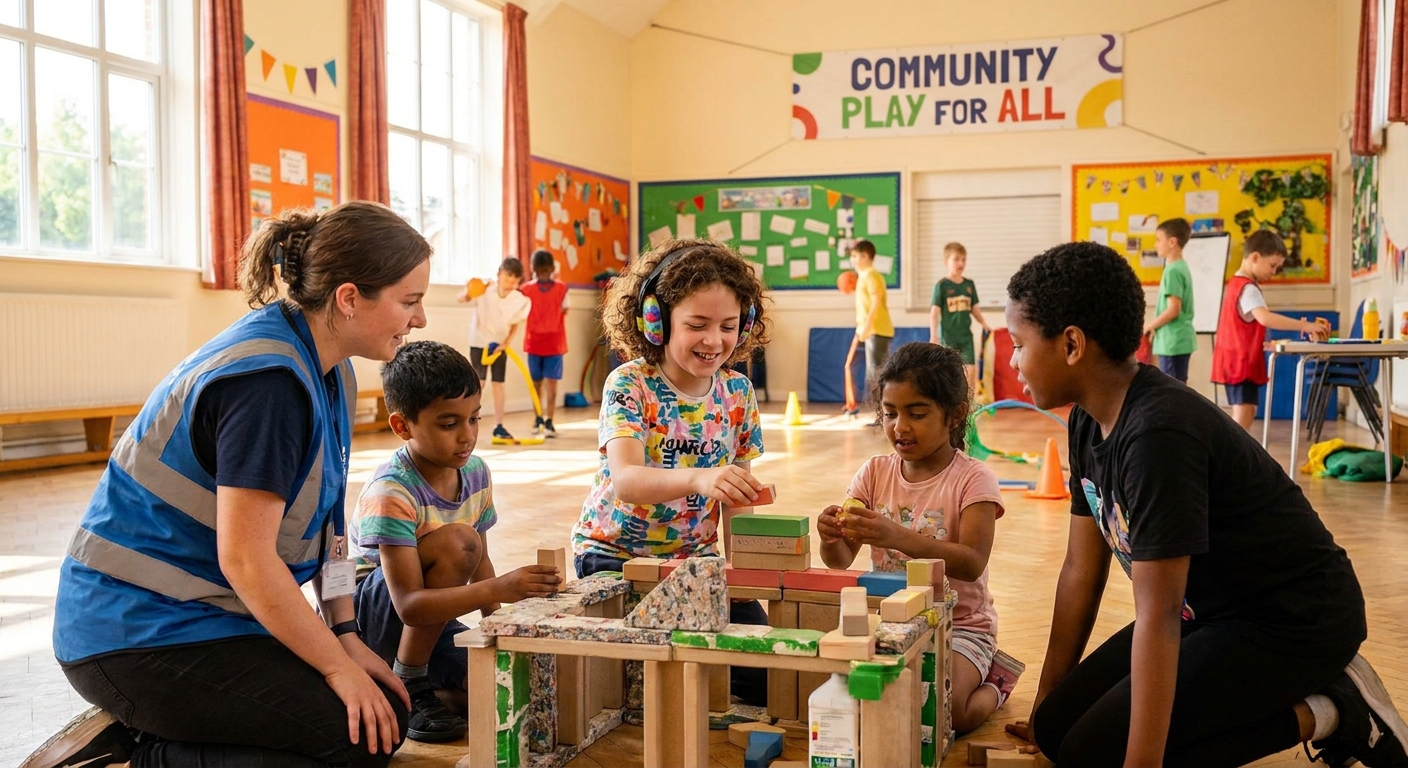
The evaluation itself is far from a typical doctor’s appointment; it’s designed to be a comfortable and engaging experience for your child. Specialists often create a kid-friendly environment filled with toys and activities to help your child feel at ease. The process usually involves a combination of methods to gather the most accurate picture:
- Behavioral Observations: Clinicians will observe your child during play and interactions, looking for specific social, communication, and behavioral patterns. This naturalistic observation provides valuable insights into how your child engages with others and their environment.
- Interactive Assessments: Specialized assessment tools, often disguised as games or puzzles, are used to evaluate cognitive abilities, language development, motor skills, and social responsiveness. These tools are selected to be age-appropriate and engaging. For instance, if concerns about autism are present, an autism diagnosis checklist or specific structured tasks may be used to assess communication and social interaction.
- Physical Examination: A comprehensive physical examination may also be conducted to rule out any underlying medical conditions that could be contributing to developmental delays. In some cases, laboratory tests or imaging might be recommended, but this is less common and only done if medically indicated.
- Parent Interviews: Throughout the process, parents remain key informants, sharing their observations and concerns. Your insights are invaluable as you know your child best.
It’s important to remember that this is a comprehensive assessment, not just a single test. Multiple areas of development are examined to understand your child’s unique profile, strengths, and challenges. The goal is to build a complete picture that can guide future support.
Understanding the Results and Next Steps
After the evaluation is complete, the specialist team will compile all the information to form a comprehensive understanding of your child’s developmental profile. This often includes identifying any specific diagnoses, such as autism, or other neurodevelopmental conditions. The results will then be shared with you in a detailed feedback session.
During this session, the team will explain their findings in clear, understandable language, answering any questions you may have. Crucially, they will also provide recommendations for next steps. These recommendations might include specific therapies (like speech, occupational, or behavioral therapy), educational support, or strategies you can implement at home to help your child thrive. The focus is always on creating a path forward that supports your child’s unique needs and helps them reach their full potential.
A Path Forward with Hope and Support
Undergoing a developmental evaluation is a significant step, and it’s a testament to your dedication as a parent. It marks the beginning of a journey toward deeper understanding and more effective support for your child, especially for our neurodivergent youth. At BallFour, we believe that every child deserves the opportunity to participate, learn, and grow, regardless of their developmental path.
By gaining a clear understanding of your child’s unique needs, you empower them with the tools and environment they need to flourish, fostering their resilience and helping them connect with peers and community through inclusive opportunities like sports. This process is about embracing who your child is and providing them with every chance to succeed.
If you have questions about developmental evaluations or want to learn more about how BallFour supports children with neurodevelopmental differences, we are here to help. Our mission is to champion opportunity, inclusion, and hope for all children. Please don’t hesitate to reach out to us at contactus@ballfour.org to connect, learn more about our initiatives, or simply find a supportive community.
Key Takeaways
- Developmental evaluations offer crucial insights into a child’s unique strengths and challenges, especially for neurodivergent children.
- The evaluation is a comprehensive process involving detailed interviews, behavioral observations, and specialized assessments in a kid-friendly setting.
- Understanding the results leads to tailored support plans, empowering children to thrive and participate fully in their communities.