
When Your Child Wants to Quit: How to Tell a Rough Patch from the Wrong Fit
Every parent knows the feeling: your child, once enthusiastic about a sport or activity, suddenly declares, “I want to quit!” This declaration can bring a mix of emotions – confusion, frustration, and a desire to do what’s best for your child. For parents of neurodivergent children, this scenario can be even more complex, as underlying anxieties, sensory sensitivities, or social challenges might be at play, making it harder to discern the true reason behind their wish to stop.
It’s natural for children to encounter moments of difficulty, boredom, or frustration in their chosen activities. The challenge for parents lies in distinguishing a temporary “rough patch” that can be overcome with support from a genuine “wrong fit” where the activity no longer serves the child’s developmental needs or interests. Understanding this distinction is crucial for nurturing resilience, fostering growth, and ensuring their overall well-being.
This article will explore how to approach these moments with empathy and insight, helping you navigate the decision-making process when your child expresses a desire to quit, particularly within the unique context of neurodiversity.
Understanding the “Why”: Beyond Just Quitting
When a child says they want to quit, the first step is to approach the conversation with genuine curiosity and a non-judgmental attitude. As highlighted by experts, asking open-ended questions can uncover the deeper reasons behind their feelings. Is it the difficulty of the task, a struggle with making friends, or a feeling of being overwhelmed? For a neurodivergent child, these reasons can be amplified. A sensory-rich environment might be too stimulating, social cues in team sports might be confusing, or unexpected changes in routine could be distressing.
Some common reasons children want to quit include feeling anxious, embarrassed, or not confident in their abilities. They might be comparing themselves to peers or simply find the activity boring or too difficult. For children with autism, expressing these complex emotions can be challenging, often manifesting as a desire to withdraw. It’s important to observe their behavior, listen to their indirect cues, and create a safe space where they feel heard and understood, without pressure to justify their feelings.
Is It a Rough Patch or a Real Mismatch?
Differentiating between a temporary struggle and a fundamental incompatibility is key. A “rough patch” often involves a specific challenge – a new skill that feels difficult, a disagreement with a teammate, or a temporary dip in motivation. These moments, while uncomfortable, can be opportunities for growth, teaching perseverance and problem-solving. Encouraging your child to push through short-term difficulties, with appropriate support, can build valuable life skills.
However, a “wrong fit” is different. This occurs when the activity itself does not align with your child’s personality, interests, or developmental stage, or when the environment is consistently detrimental to their well-being. For neurodivergent children, a “wrong fit” might mean an activity that lacks the necessary structure, offers too much unpredictable social interaction, or places undue pressure on performance rather than participation and enjoyment. If the activity is causing persistent distress, anxiety, or negatively impacting other areas of their life, it might be time to consider a change. Recognising when a child is consistently overwhelmed rather than just challenged is vital for their psychological health.
Empowering Your Child Through Choice and Support
Once you’ve explored the “why,” involve your child in the decision-making process. This teaches them valuable self-advocacy skills and reinforces their autonomy. Discuss potential solutions for a rough patch, such as extra practice, talking to a coach, or trying a different role within the activity. If it seems to be a wrong fit, explore alternative activities together that might better suit their interests and needs. This might mean trying a different sport, a non-competitive league, or an individual activity.
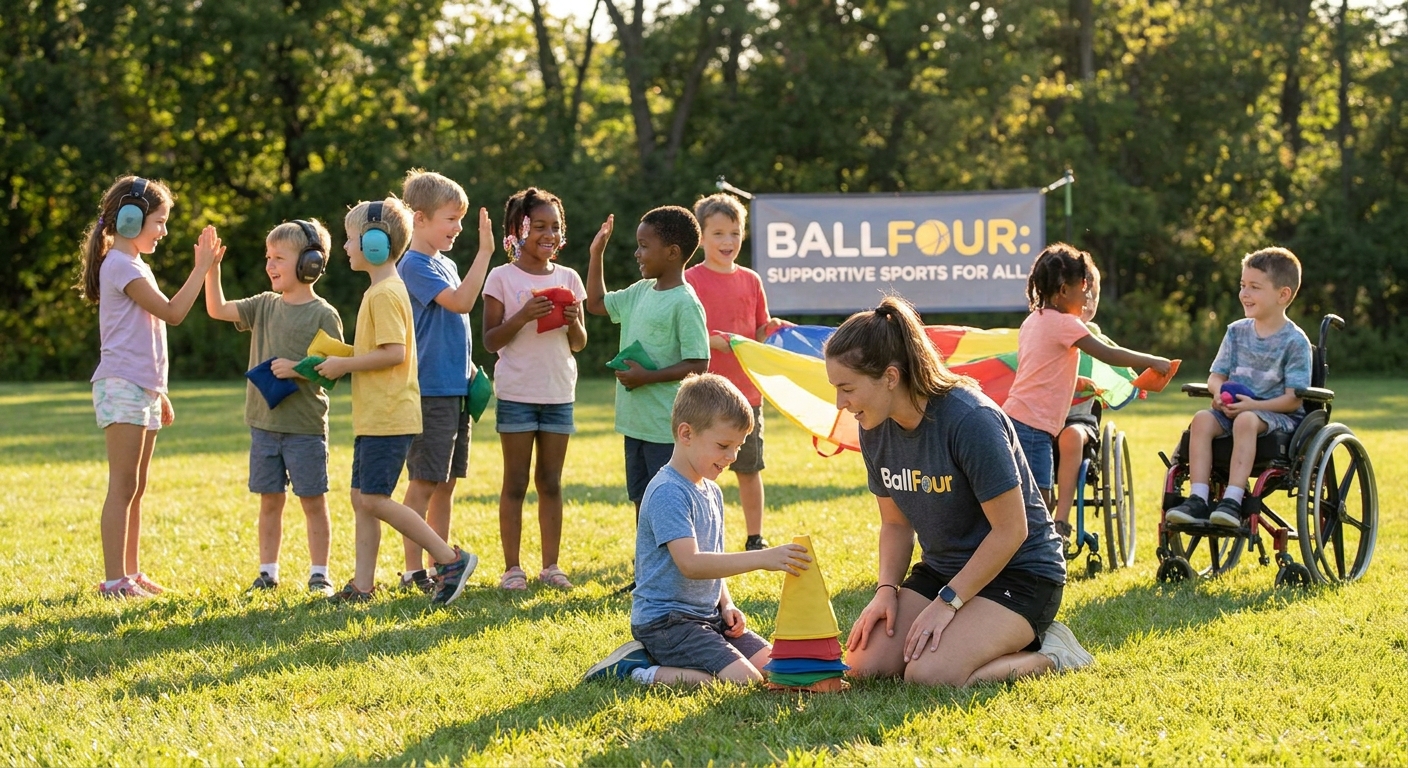
Remember, the goal of participation in sports for children, especially those who are neurodivergent, is not just about winning or excelling, but about fostering joy, building confidence, developing social skills, and promoting physical and mental well-being. BallFour believes that access to inclusive sports can change lives, providing an environment where every child feels valued, supported, and has the opportunity to thrive at their own pace. If an activity consistently undermines these fundamental benefits, it’s okay to consider a different path.
BallFour’s Approach: Nurturing Growth and Inclusion
At BallFour, we understand that finding the right sporting environment is paramount for children, particularly those who are neurodivergent or on the autism spectrum. Our programs are designed to offer more than just physical activity; they create spaces of belonging, opportunity, and structured support where children can develop resilience, teamwork, and hope. We focus on individual progress and skill development in an inclusive setting, rather than intense competition that might overwhelm or exclude.
We aim to mitigate the common reasons children might want to quit by offering tailored approaches, patient coaching, and environments that celebrate diverse abilities. By fostering a sense of community and understanding, BallFour ensures that sports remain a positive, enriching experience for every child, promoting psychological well-being and social engagement. We are dedicated to providing children with opportunities to discover the joy of movement and connection, helping them to flourish whether they are navigating a rough patch or finding their perfect fit.
Navigating the decision of whether your child should continue an activity or quit requires empathy, open communication, and a deep understanding of their unique needs. By distinguishing between a temporary hurdle and a genuine mismatch, you can empower your child to make choices that support their growth, confidence, and overall happiness. Remember, the journey of finding the right activities is part of their development, and it’s okay for that journey to have detours.
If you’re seeking inclusive sports opportunities for your neurodivergent child, or simply want to learn more about how BallFour champions youth development through sports, we invite you to connect with us. Our team is passionate about creating positive experiences that build resilience and foster a love for physical activity in every child. You can reach out to us directly via email at contactus@ballfour.org to discover how we’re making a difference in the lives of children and families in our community. Learn more about our mission and impact by visiting our website or exploring our programs.
Key Takeaways
- Approach your child’s desire to quit with open-ended questions and active listening to understand the underlying reasons, especially for neurodivergent children.
- Distinguish between a temporary “rough patch” – an opportunity for growth – and a “wrong fit” – an activity that consistently causes distress or misalignment.
- Empower your child by involving them in decisions about continuing or exploring new activities, reinforcing the importance of psychological well-being over competitive pressure.