
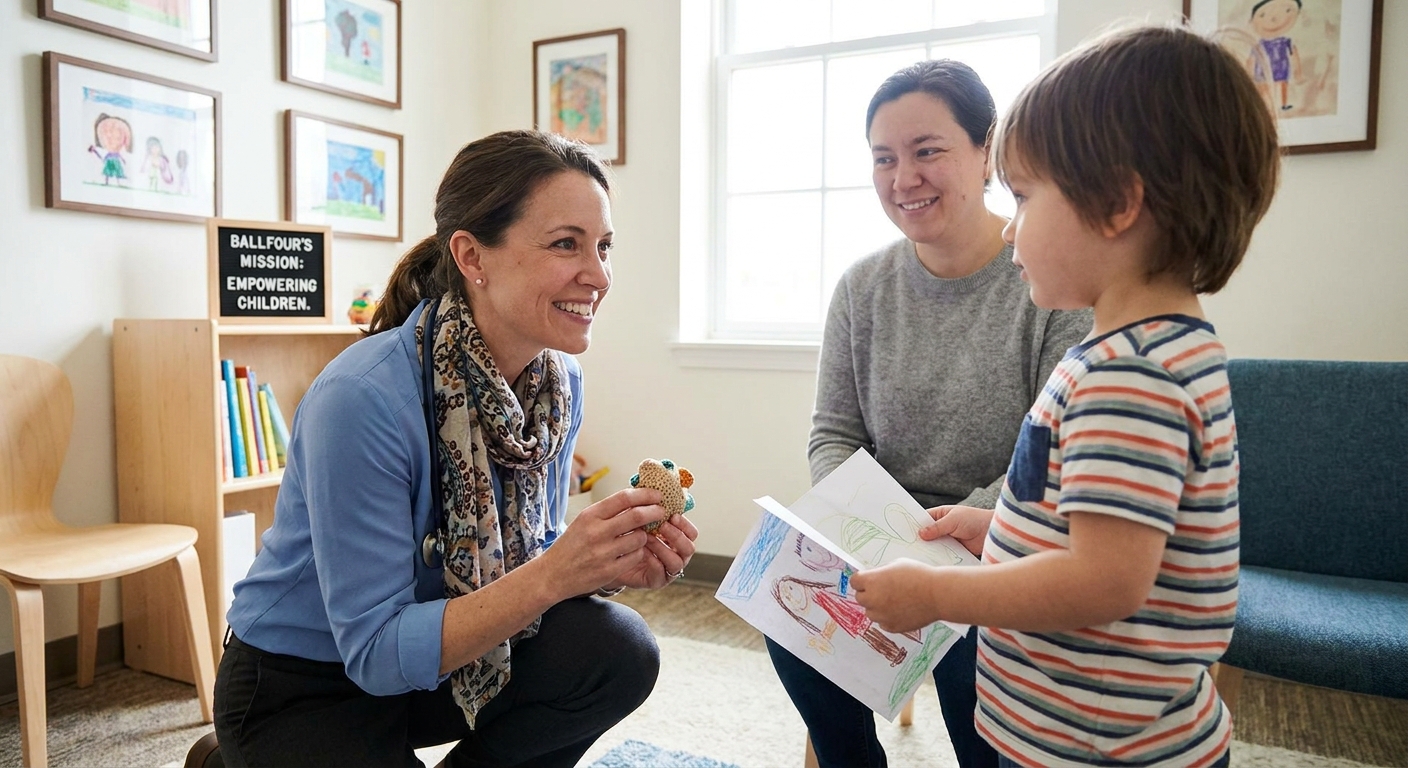
Your Pediatrician Is Your First Ally: What to Ask at Every Well-Visit
For parents, especially those navigating the beautiful complexities of raising children with neurodivergent needs, a pediatrician is far more than just a doctor; they are an indispensable ally. From the moment your child enters the world until they reach adolescence, these dedicated professionals are your primary resource for guidance on growth, development, and overall well-being. Regular well-child visits are not just about vaccinations and physical check-ups; they are crucial opportunities for open dialogue and proactive care.
These visits offer a consistent touchpoint to monitor your child’s journey, celebrate milestones, and address any concerns that may arise, particularly those related to psychological development and neurodivergent conditions like autism. Establishing a strong, trusting relationship with your pediatrician empowers you to make informed decisions for your child’s health.
This article will guide you through key questions to ask at various stages of your child’s development, ensuring you maximize every well-visit to support their unique path to thriving.
Building Your Care Team: Initial Questions for a New Pediatrician
When choosing a pediatrician, or at your very first visit, it’s helpful to establish a clear understanding of their practice and approach to care. This foundational conversation can alleviate anxieties and build confidence in your chosen partner for your child’s health journey. Don’t hesitate to ask about their professional background.
Inquire about their specific pediatric training and experience, especially if you have concerns about neurodevelopmental aspects or conditions like autism spectrum disorder. It’s also vital to understand their procedures for after-hours emergencies and the best ways to reach their office for non-urgent questions, ensuring you always feel connected and supported. This establishes clear communication channels right from the start, as highlighted by resources like Norton Children’s.
Navigating Newborn Care: Essential Inquiries for the Earliest Days
The arrival of a newborn brings immense joy and a host of questions, many of which your pediatrician can help answer. During these early weeks, your baby’s doctor is one of your most valuable resources, advocating for their health and well-being. No question is too trivial or awkward at the pediatrician’s office when it comes to your infant’s health.
For instance, understanding changes in your baby’s diapers is key. You might ask about normal variations in stool color and consistency, especially as feeding habits change. While breastfed babies typically have yellow, thinner poops with whitish particles, formula-fed babies may differ. It’s important to know when to be concerned, such as if stool is red or white, or if your baby isn’t producing enough wet diapers—usually eight to twelve daily after the first few days, as detailed by Norton Children’s. Discussing these details ensures early detection of potential issues.
Tracking Growth and Unlocking Developmental Milestones
Every well-child visit includes basic measurements of your child’s height and weight. These metrics are crucial indicators of physical development. Asking, “Are my child’s growth and weight healthy?” allows your doctor to discuss whether they are tracking appropriately on growth charts and address any concerns. This fundamental assessment helps ensure your child is receiving adequate nutrition and growing as expected, as noted by sources like Children’s Hospital Los Angeles.
Beyond physical growth, monitoring developmental milestones is paramount, especially when considering neurodevelopmental differences. Ask your pediatrician, “Is my child meeting developmental milestones?” This opens the door to discussions about cognitive, social, emotional, language, and motor skills. For children with neurodivergent profiles, understanding these milestones, and any variations, can lead to early identification and timely support. Well-child visits are designed to catch any developmental concerns early, when interventions can be most effective, as highlighted by MyHealthfinder.
Holistic Well-being: Nutrition, Habits, and Behavioral Insights
A child’s health extends beyond physical measurements; it encompasses their nutrition, sleep patterns, and behavior. Nutrition plays an essential role in supporting your child’s overall growth and development. Discussing “Is my child’s current diet providing balanced nutrition?” can lead to valuable advice, especially if you have concerns about picky eating or food sensitivities. Your pediatrician can recommend dietary and nutritional counseling if needed, helping ensure your child thrives, according to Vickery Pediatrics.
Furthermore, well-child visits are excellent opportunities to inquire about your child’s sleeping habits, temperament, and any behavioral patterns that might concern you. This is particularly important for children who may be neurodivergent, as certain behaviors or sleep challenges can be common. Your pediatrician can offer insights, strategies, or referrals to specialists who can provide targeted support for psychological aspects, ensuring a comprehensive approach to your child’s well-being.
Proactive Planning for Consistent Care
To ensure continuous and effective care, it’s wise to plan ahead for future appointments. Before leaving your well-visit, always ask, “When should I schedule my child’s next visit?” This proactive step helps you maintain a consistent schedule of check-ups, which is crucial for monitoring ongoing development and health. Understanding what to expect at the next developmental stage can also help you prepare for new challenges and milestones.
Additionally, reinforce your understanding of what to do if your child gets sick or if an urgent question arises outside of regular office hours. Clear communication about these protocols ensures you feel supported and informed at all times, making your pediatrician a truly reliable partner in your child’s health journey.
Your pediatrician is indeed your first and most consistent ally in nurturing your child’s health and development. By asking thoughtful questions and engaging openly at every well-visit, you empower yourself to be an active participant in their care. This proactive approach is particularly vital for children with neurodivergence and autism, ensuring their unique psychological needs are understood and addressed from an early age.
At BallFour, we believe in fostering environments where every child, including those with neurodivergent needs, can access opportunities for growth and resilience. We understand that navigating the healthcare landscape for your child can sometimes feel overwhelming, and having a supportive pediatrician makes all the difference. If you’re looking for resources or simply want to connect with a community that champions the potential of every child, we invite you to learn more about our mission and impact. Please feel free to reach out to us directly via email at contactus@ballfour.org to discuss how we can support you and your family on this incredible journey. You can also explore our initiatives and find valuable information on our website about our commitment to youth development and community empowerment.
Key Takeaways
- Proactive communication with your pediatrician is essential for monitoring your child’s physical and neurodevelopmental progress.
- Well-child visits are crucial opportunities to discuss everything from physical growth and nutrition to developmental milestones and behavioral patterns.
- Establishing clear procedures for ongoing care, including future appointments and after-hours communication, ensures consistent support for your child’s health journey.