Building Awareness Without Putting Your Child on Display
For parents of children, especially those who are neurodivergent or on the autism spectrum, fostering a sense of awareness in a complex world can feel like a delicate balance. We want our children to be observant, understanding, and safe, yet we also deeply respect their individuality and privacy. The journey of developing awareness isn’t about molding them into someone they’re not or putting them “on display” to demonstrate skills, but rather about empowering them from within.
At BallFour, we believe in nurturing the psychological well-being of every child, recognizing that a strong internal compass is far more valuable than external performance. This article explores how to gently cultivate various forms of awareness—from understanding their surroundings to recognizing their own feelings—in ways that are natural, respectful, and deeply connected to their unique development.
Join us as we explore compassionate strategies that empower children to navigate their world with confidence and self-awareness, all while honoring their authentic selves.
The Heart of Awareness: Beyond the Obvious
When we talk about “awareness,” it encompasses much more than just noticing what’s around them. For children, particularly those who are neurodivergent, it involves a multifaceted development of skills. This includes situational awareness—understanding their immediate environment and potential changes—as well as self-awareness, which involves recognizing their own emotions, strengths, and challenges. It also extends to social awareness, or grasping the feelings and perspectives of others, which is crucial for building connections.
Our focus at BallFour is on these psychological aspects of development, understanding that each child’s journey is unique. Rather than teaching children to simply follow rules, we aim to help them build an internal framework for understanding and responding to the world. This approach fosters genuine resilience and empowers them to engage with their surroundings on their own terms, contributing to their overall mental health and sense of belonging.
Creating a Rich Environment for Organic Learning
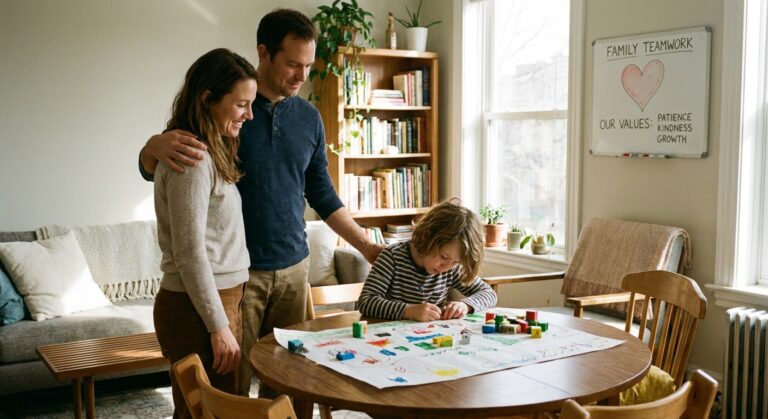
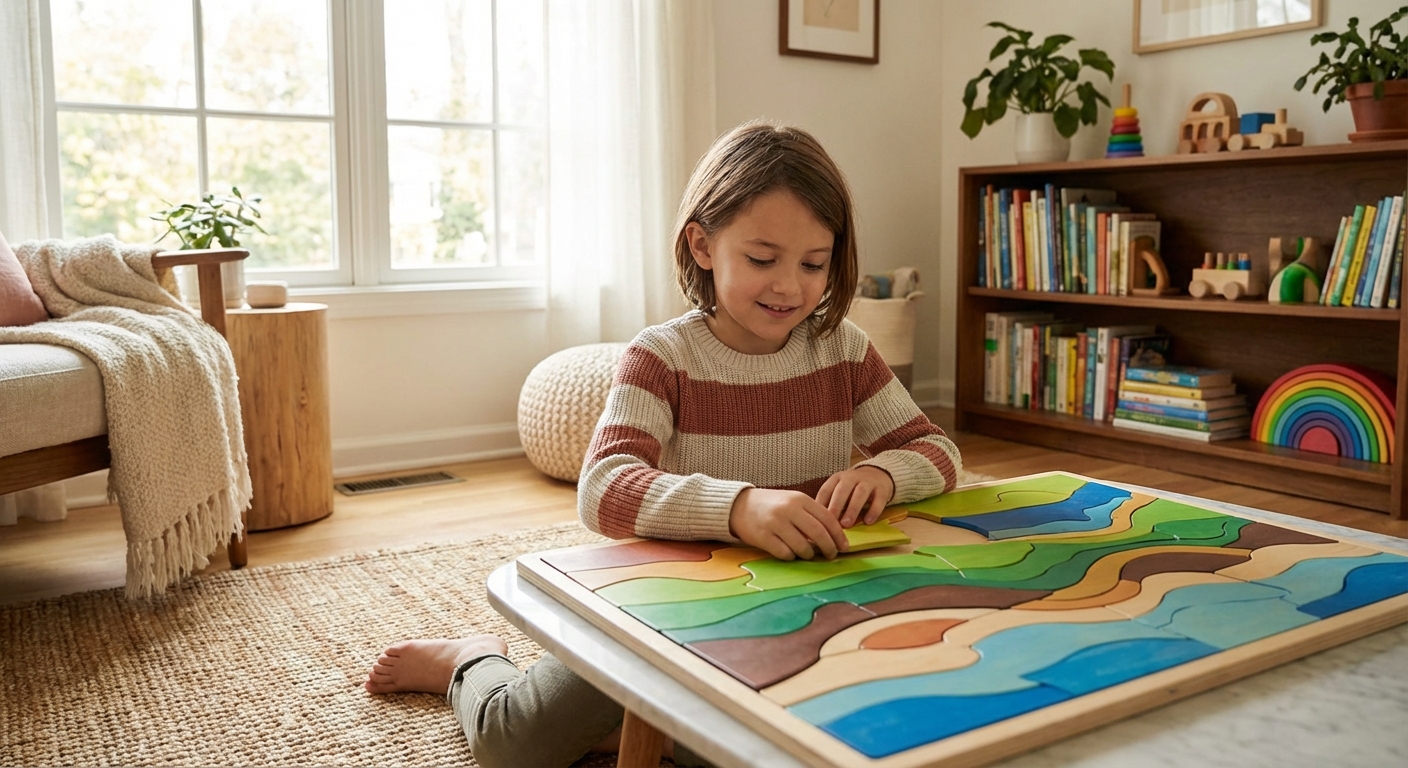
A child’s home environment plays a pivotal role in nurturing awareness naturally. One of the most effective ways to encourage self-directed learning and observation is by making open-ended materials easily accessible. These could include building blocks, art supplies, puzzles, or natural items like stones and leaves. When placed within reach in containers that are easy to access, these materials invite children to explore, create, and interact with their world without constant adult direction, fostering their imaginative and problem-solving skills.
Beyond materials, encouraging engagement in various physical and creative activities at home is crucial. This could range from simple outdoor play to more structured creative endeavors like drawing, writing, or imaginative role-playing. Such activities are not only productive but also provide valuable opportunities for children to observe, analyze, and respond to different stimuli in a low-pressure setting. This hands-on engagement helps them develop a deeper understanding of cause and effect, spatial relationships, and their own capabilities, all foundational elements of awareness.
Playful Approaches to Situational Awareness
Teaching situational awareness doesn’t require formal lessons; it can be woven into everyday interactions through play. Starting small in natural settings, such as a walk in the park or a visit to the grocery store, provides authentic opportunities for observation. Engage your child by asking questions like, “What do you see that’s red?” or “What sound do you hear?” This encourages them to notice details and cues in their environment without feeling like they’re being tested.
Board games can also be powerful tools. Games that involve strategy, pattern recognition, or interpreting visual information can help children develop focus and an understanding of consequences. Additionally, playing “awareness games” when out in public, such as “I Spy” or challenging them to describe a person or object they just passed, can sharpen their observational skills and build up their “adjectives word bank.” This not only enhances their vocabulary but also strengthens their ability to articulate what they perceive, deepening their connection to their surroundings in a fun and engaging way, as suggested by insights into teaching kids situational awareness.
Nurturing Digital Wisdom: Healthy Screen Habits
In today’s digital age, screen time is an undeniable part of many children’s lives. Instead of simply teaching kids to avoid screens, a more empowering approach is to focus on building a foundation of open communication, digital safety, and healthy screen habits. The earlier we start teaching these things, the more ingrained these positive practices become. Educational video games, for instance, can be important for individualized learning, allowing children to learn programming and coding through interactive play.
The key lies in fostering mindful engagement rather than passive consumption. Encourage interactive apps that promote problem-solving, creativity, or physical movement. Discuss what they are doing online, why certain content is appropriate or not, and how to balance screen time with other activities. This open dialogue helps children develop critical thinking skills and self-regulation, enabling them to make informed choices about their digital interactions and ensuring screens contribute positively to their psychological development, rather than detracting from it. For more insights on this balanced approach, resources like discussions on teaching kids healthy screen habits offer valuable perspectives.
Empowering Their Journey
Fostering awareness in children, particularly those with neurodivergence, is a continuous journey rooted in respect, understanding, and empowerment. It’s about providing the tools and environment for them to grow into observant, self-aware individuals who can confidently navigate their world. By integrating playful learning, rich environments, and thoughtful digital engagement, we can help our children build strong internal foundations without ever feeling the need to put them on display.
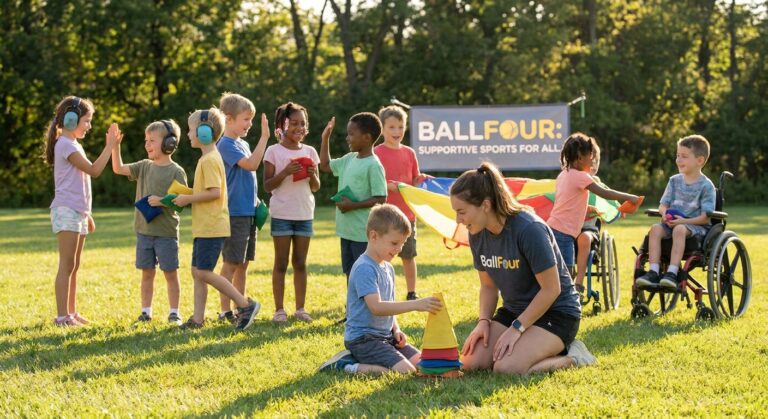
At BallFour, we are dedicated to creating opportunities for all youth to thrive, emphasizing the psychological and social benefits of sports-based development. We believe every child deserves the chance to build resilience, teamwork, and hope. If you’d like to learn more about our programs and how we support children with neurodivergence in their developmental journey, please reach out to us. We’re here to be a resource for families and communities who share our vision.
For more information or to connect with our team, please email us at contactus@ballfour.org. We look forward to hearing from you and sharing how our mission provides pathways to opportunity and inclusion for youth.
Key Takeaways
- Cultivate awareness through natural, respectful interactions that prioritize internal development over external performance.
- Provide a rich home environment with accessible, open-ended materials and encourage varied physical and creative activities.
- Integrate playful approaches like awareness games in public and board games to enhance situational and self-awareness.