
Supporting Your Child’s Self-Esteem Through Engaging Activities
Every child deserves to feel confident, capable, and valued. Self-esteem is a fundamental building block for a child’s overall psychological well-being, shaping how they navigate the world, face challenges, and form relationships. For children, especially those who are neurodivergent or on the autism spectrum, fostering a strong sense of self-worth is particularly crucial, as they may encounter unique social and developmental hurdles.
When children believe in themselves, they are more resilient, willing to try new things, and better equipped to overcome setbacks. High self-esteem provides the psychological support needed to be comfortable in their own skin, both mentally and physically, allowing them to flourish and develop in ways that are authentic to them.
This article explores practical, engaging activities that parents and caregivers can use to nurture a positive self-image and build lasting confidence in their children, focusing on everyday moments and purposeful engagement that supports their psychological growth.
Understanding the Foundation of Self-Esteem in Children
Self-esteem is more than just feeling good; it’s a deep-seated sense of one’s own worth and capabilities. It is fundamental to a child’s development, influencing their mental health, how they interact with peers, and their willingness to engage with learning. For neurodivergent children, who might process information differently or experience social situations uniquely, a robust sense of self-esteem can act as a vital buffer against feelings of inadequacy or isolation.
Positive influences on a child’s self-esteem include supportive relationships, opportunities for success, and the freedom to develop their interests. When children feel accepted and encouraged, they gain the “permission” to explore who they are and what they love, which in turn builds resilience and promotes better mental health and success in various aspects of life. This psychological support is essential for them to face challenges and build strong relationships, leading to a more fulfilling life trajectory as outlined by PositivePsychology.com.
Building Confidence Through Everyday Home Activities
You don’t need elaborate plans to help your child build confidence; many daily tasks offer rich opportunities for growth. Involving children in simple, purposeful activities at home can significantly boost their self-esteem by fostering a sense of contribution and competence. Think about activities that require planning, creativity, or responsibility.
For example, involving your child in “packing for a trip,” even if it’s just for an imaginary adventure, allows them to make decisions and organize. “Inventing a recipe” together taps into their creativity and problem-solving skills, and they take pride in the outcome. Even “chores with a purpose,” like helping prepare a meal or organizing a part of the house, teach responsibility and show them their efforts are valued and make a tangible difference. These activities, suggested by PositivePsychology.com, empower children by giving them agency and a sense of achievement.
Celebrating their efforts, not just the perfect outcome, reinforces their worth and encourages them to keep trying. Positive reinforcement for trying, adapting, and contributing creates a supportive environment where self-esteem can thrive.
The Impact of Extracurriculars and Special Interests
Beyond the home, extracurricular activities offer a unique pathway to boosting a child’s self-esteem, especially for children who may find traditional academic settings challenging. Many children who learn and think differently can sometimes feel like they’re “not good at anything,” which can significantly lower their self-esteem and make school a stressful environment. Afterschool activities, however, provide a more relaxed space to explore interests and develop new skills.
These activities can help children improve their social skills in a less structured setting, discover new passions, and inspire them to try things they might not have considered. Whether it’s sports, art classes, music lessons, or a special interest club, focusing on what they enjoy allows children to experience success and mastery in areas where they feel genuinely engaged. As highlighted by Understood.org, this focus on interests can be particularly beneficial for neurodivergent children, helping them to feel more comfortable with peers and less stressed.
Encouraging children to try new activities they are interested in, even if they don’t immediately excel, is key. The process of participation, learning, and making connections is what truly builds confidence and a sense of belonging. Finding activities that align with their strengths and passions can transform how a child perceives their own abilities and worth.
Cultivating a Positive Self-Image Through Goal Setting
Helping children understand themselves, set achievable goals, and reflect on their journey are powerful tools for building lasting confidence. Children with lower self-esteem often approach new situations with negative thoughts. Guiding them through activities that explore their self-esteem and identity can shift this mindset.
One impactful confidence-building activity is guiding children to write a “Dear Me” letter. In this exercise, they can reflect on a goal they want to achieve and then write a letter to their future self, offering advice and motivation. This encourages them to think about their identity, understand what influences their self-esteem, and work towards developing a positive image of themselves. Such activities help children identify their strengths, acknowledge areas for growth, and plan how to improve valued skills, as discussed by the Social Emotional Workshop.
By focusing on attainable goals that are meaningful to them, children learn self-acceptance and resilience. They gain a deeper understanding of their capabilities and the steps required to achieve their aspirations, reinforcing the idea that they are capable of making positive changes in their lives and achieving what they set out to do.
Empowering Every Child to Shine
Supporting a child’s self-esteem is an ongoing journey, but one of the most rewarding for parents and caregivers. By integrating purposeful activities into daily life, encouraging participation in extracurriculars that align with their interests, and fostering a mindset of goal-setting and self-reflection, we empower children to develop a strong, positive sense of self.
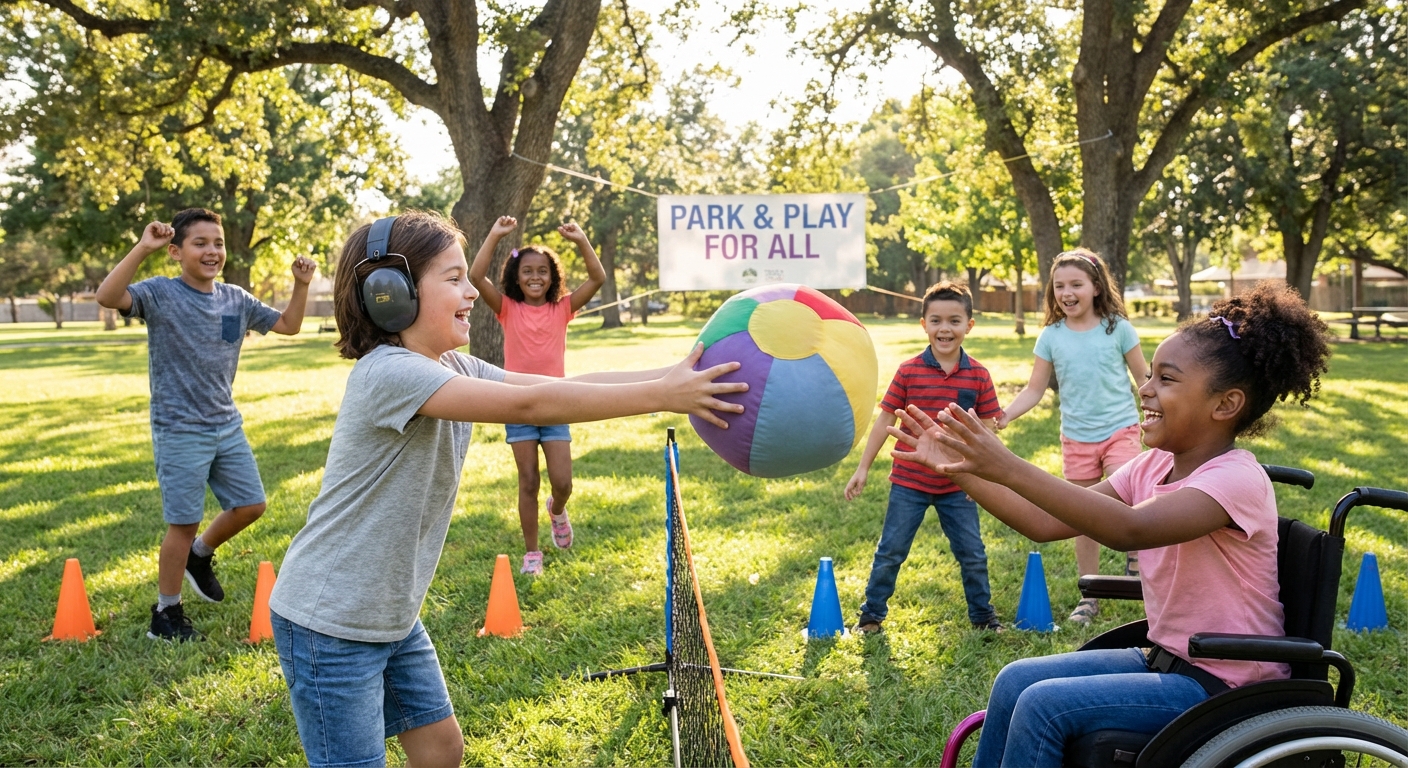
At BallFour, we believe in creating opportunities for all children, especially those with neurodivergence and autism, to thrive. Our focus is on fostering resilience, teamwork, and hope through accessible sports and community engagement, recognizing the profound psychological impact these experiences have. Every child deserves to feel capable, included, and hopeful about their future, and a strong sense of self-esteem is their launchpad.
If you’re looking for more ways to support your child’s development or want to learn about our community-centered initiatives, we invite you to connect with us. We are dedicated to nurturing the potential within every young person we serve. Please reach out to us at contactus@ballfour.org to learn more about our mission and how we empower youth and families.
Key Takeaways
- Self-esteem is critical for a child’s psychological well-being, fostering resilience and positive relationships, especially for neurodivergent children.
- Everyday activities and chores, when given purpose, build competence and a sense of contribution in children.
- Extracurricular activities aligned with a child’s special interests provide a relaxed environment for skill development, social interaction, and confidence building.